Prague Spring Music Festival: A Visitor's Guide
Every year since 1946, Prague has opened its concert halls on May 12 - the anniversary of the death of Bedřich Smetana - and held them open for three weeks of international classical music. The Prague Spring International Music Festival has grown into one of Europe's most respected classical programmes, drawing orchestras and soloists from across the continent and beyond to perform in venues that are, in several cases, as worth visiting as the music itself.
In 2026, the festival runs from May 12 to June 3. If your Prague visit overlaps with any part of this window, this guide covers what the festival is, where it takes place, how to get tickets, and how to combine it with the city's historic and cultural sites.
What Prague Spring Is
The festival was founded in 1946 as a symbol of cultural renewal after the Second World War. It has maintained its original identity as a high-level international classical music event, with a programme typically structured around a central theme and featuring world-class orchestras, chamber ensembles, and soloists performing a mix of Czech repertoire and major international works.
"Prague Spring opens every year with Smetana's Má vlast (My Homeland) - a cycle of six symphonic poems about Bohemia. It is one of the most emotionally freighted concert-opening traditions in Europe."
The opening concert in the Smetana Hall of the Municipal House (Obecní dům) is the festival's signature event, performed on the evening of May 12 each year. Tickets for the opening night are typically among the hardest to secure; the rest of the programme offers more accessible options across the full three-week run.
Where Concerts Take Place
The festival uses several of Prague's most architecturally and historically significant performance spaces, which means attending a concert is also an architectural experience.
Principal Prague Spring venues:
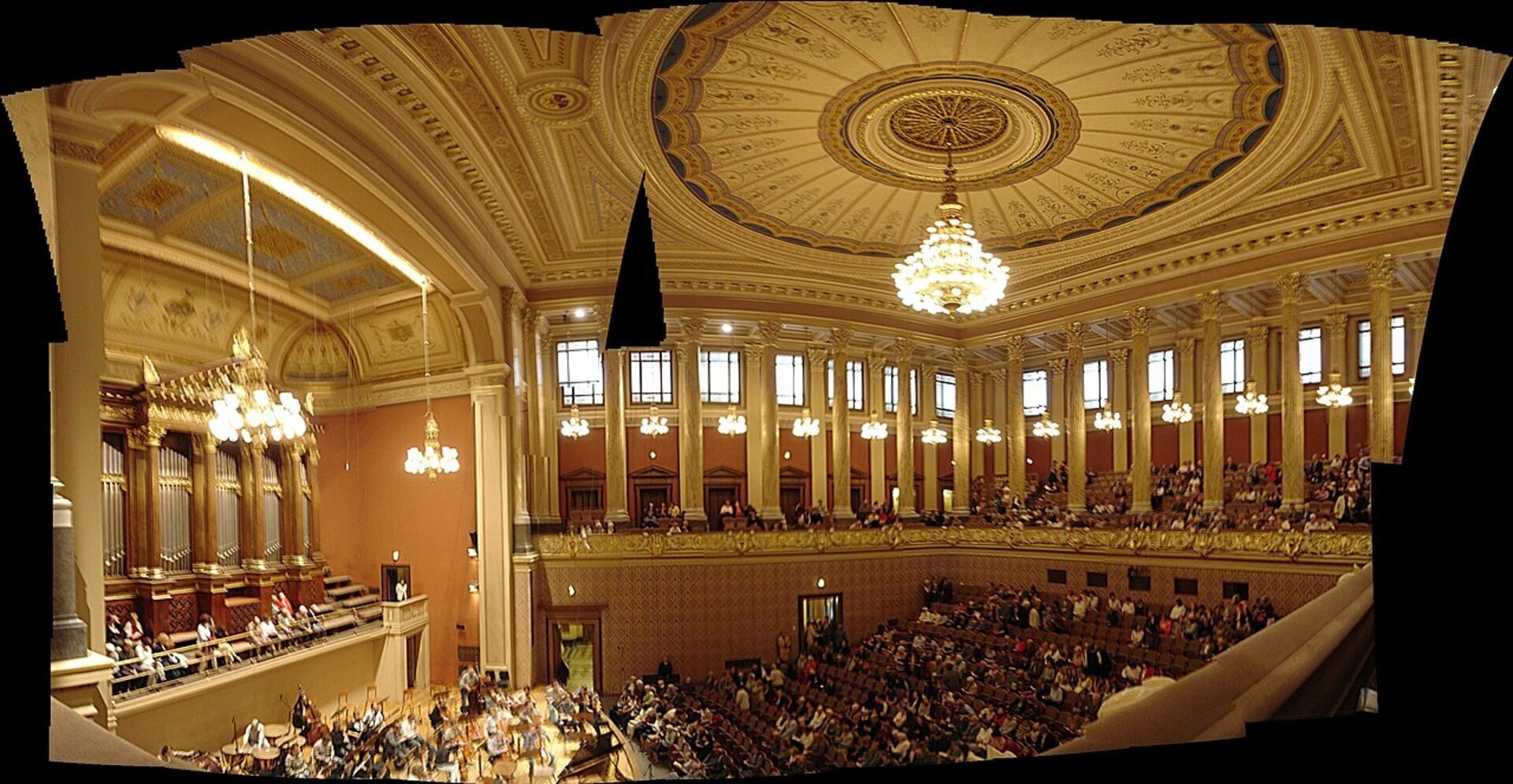
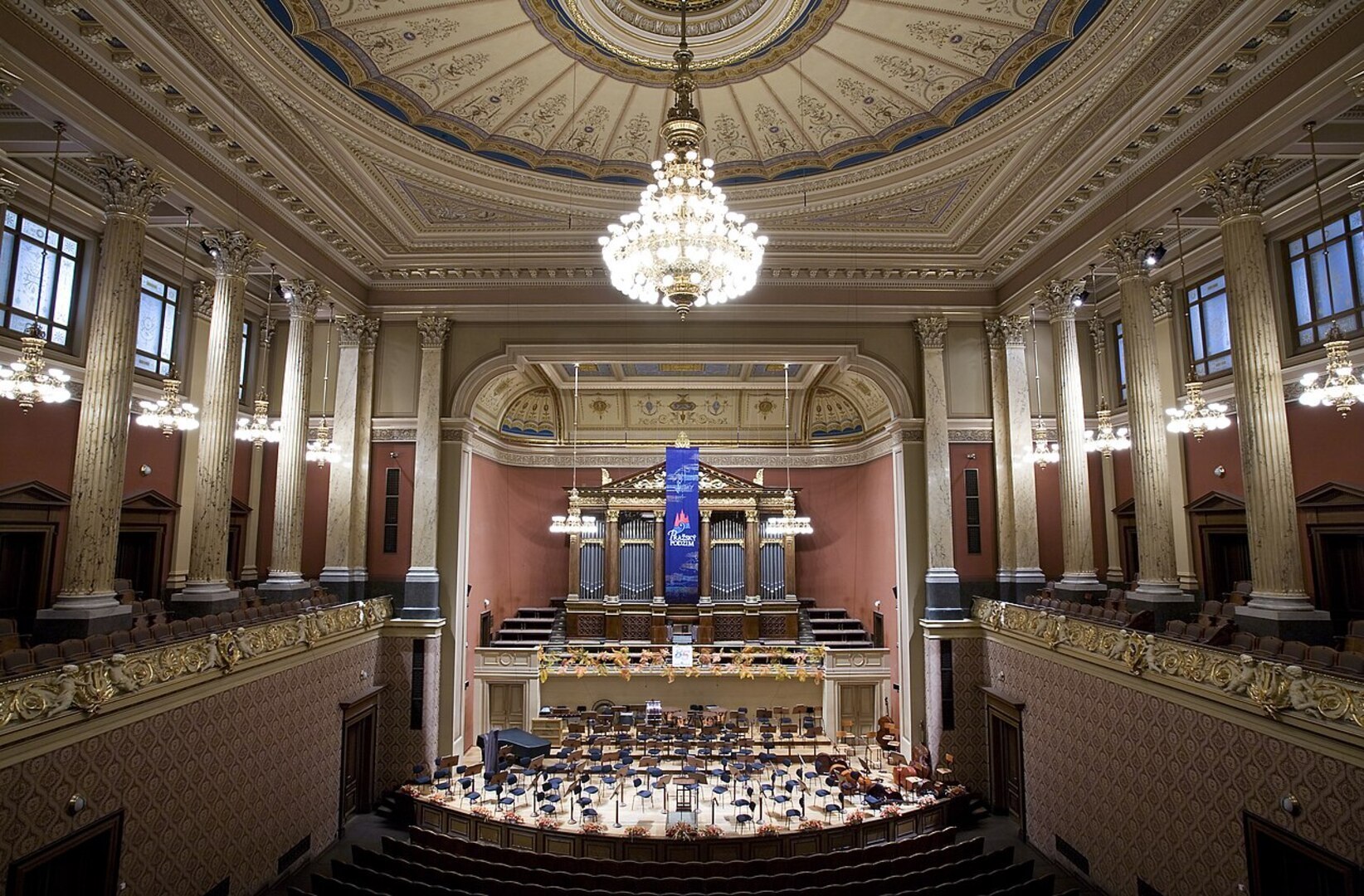
- Rudolfinum - Dvořák Hall: The neo-Renaissance concert hall on the Vltava embankment is the festival's primary venue and one of the finest concert halls in Central Europe. Home of the Czech Philharmonic Orchestra.
- Municipal House - Smetana Hall: The Art Nouveau masterpiece on Náměstí Republiky hosts the traditional opening night concert. The building itself - with its Alfons Mucha decorations - is worth seeing independently of the festival.
- Prague Castle - St. Vitus Cathedral and other spaces: Some festival concerts take place within the castle complex, giving audiences an experience of Prague's most iconic setting in an evening context.
- National Theatre: Selected festival performances use the historic Neo-Renaissance building on the Vltava riverfront, which opened in 1883 as a symbol of Czech national identity.
Getting Tickets
Tickets are available through the Prague Spring official website. The opening night (May 12) and performances by the most internationally prominent guest orchestras sell out earliest - often months in advance. Mid-festival and late-programme concerts are generally more accessible, and same-week availability is common for chamber and recital programmes.
If you are planning your Prague visit specifically around the festival, securing tickets before your trip is strongly advisable. For visitors whose Prague dates overlap incidentally, checking availability a few days before arrival often yields viable options.
Ticket tips:
- Book online directly at the official Prague Spring website (festival.cz).
- Opening night (May 12) and Czech Philharmonic concerts book out first.
- Chamber and recital concerts typically have better last-minute availability.
- Student and youth discounts are available for many performances.
- The box office at the Rudolfinum opens daily during the festival period.
Combining the Festival with Prague's Historic Sites
The festival's venues are among Prague's most architecturally significant buildings, which means the festival works naturally alongside a cultural sightseeing visit. The Municipal House, the Rudolfinum, and the National Theatre are all located close to the Old Town and the river, making them walkable from most central accommodation.
The Private Visit to the National Theatre gives you an architectural and historical context for one of the festival's key venues - understanding the building's role in Czech national identity makes attending a concert there considerably more resonant. Similarly, visiting the National Museum provides the cultural backdrop to Czech composers - Smetana, Dvořák, Janáček - whose work features prominently in the festival programme.
Practical Tips for Festival Visitors
- Dress code is smart casual to formal: Particularly for the Smetana Hall and Dvořák Hall. Check specific event notes - some contemporary-programme concerts have a more relaxed atmosphere.
- Arrive early at venue: Prague Spring venues are tourist destinations in their own right. Arriving 20 - 30 minutes early lets you appreciate the building before the performance begins.
- The programme is varied: Beyond major symphonic concerts, Prague Spring includes chamber music, song recitals, and contemporary works. The full programme is available at festival.cz.
- May evenings are warm enough for outdoor pre-concert walks: Most venues are within easy walking distance of the river and Old Town Square, making pre-concert evening strolls along the Vltava genuinely pleasant.
- Book accommodation in advance: The festival period increases demand in central Prague hotels. If your visit coincides with the opening weekend (May 12 - 14), book accommodation early.
For help planning a Prague visit around the Spring Music Festival, including guided cultural tours and venue recommendations, contact our Tour Concierge at [email protected].
Read more