Lisbon on Freedom Day: What Happens on April 25 in Portugal
On April 25, 1974, a group of military officers ended 48 years of authoritarian rule in Portugal with a nearly bloodless coup. Citizens poured into the streets, and somewhere along the way, someone placed a red carnation into a soldier's rifle barrel. That image became the symbol of the Carnation Revolution - and every April 25 since, Lisbon has remembered it.
For visitors arriving in Lisbon this week, Freedom Day offers something few national holidays elsewhere can match: a celebration that is genuinely felt rather than merely observed. This guide covers what happens across the city, where to be, and what to plan around.
What Freedom Day Commemorates
The Estado Novo regime, Portugal's right-wing dictatorship, had held power since 1933 under António de Oliveira Salazar and then Marcelo Caetano. By 1974, popular discontent - fuelled partly by costly colonial wars in Africa - had reached a breaking point inside the armed forces. The Movimento das Forças Armadas (MFA) launched their operation in the early hours of April 25. By midday, the regime had collapsed without significant bloodshed.
"The revolution took less than a day. The transformation it set in motion took decades - and April 25 remains the annual reminder of both."
In 2026, Portugal marks the 52nd anniversary of the revolution. For many Portuguese, this is not a distant historical event but a living memory: grandparents who remember the dictatorship still walk alongside younger generations who grew up entirely in democratic Portugal.
Key facts about Freedom Day:
- Official name: Dia da Liberdade (Day of Freedom), also known as the Carnation Revolution anniversary.
- National public holiday: most banks, government offices, and many shops are closed.
- The red carnation (cravo vermelho) is the defining symbol, worn and distributed throughout the day.
- The date is written into the Portuguese Constitution as a national day of celebration.
The Parade on Avenida da Liberdade
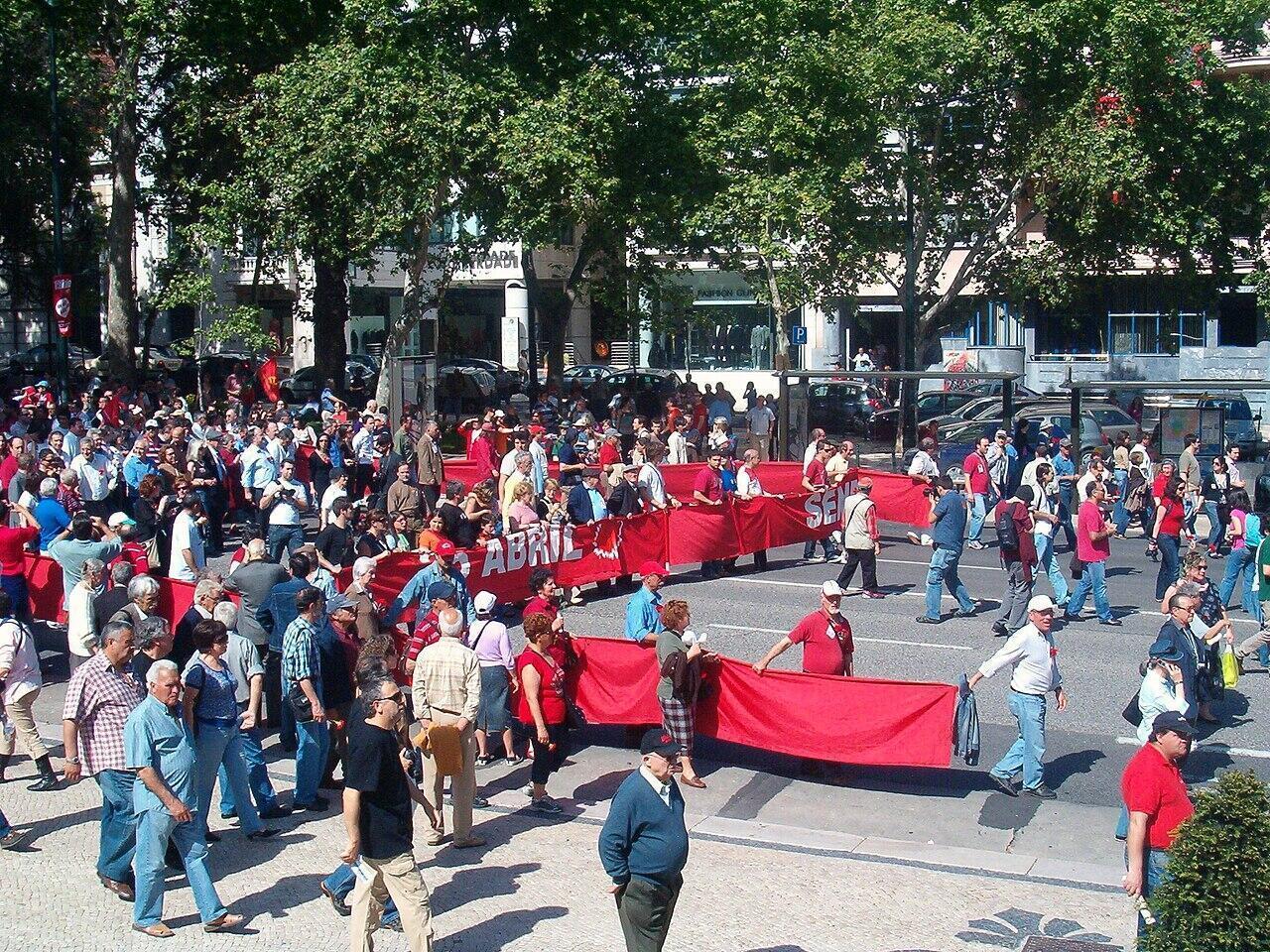
The centerpiece of Freedom Day in Lisbon is the commemorative march along Avenida da Liberdade, the city's grand 19th-century boulevard. Political parties, trade unions, civic organizations, and veterans' groups march from Praça Marquês de Pombal down toward Praça dos Restauradores. The avenue is lined with spectators, carnations, banners, and flags.
The march typically begins in the late morning and runs through early afternoon. It is one of the few occasions when the boulevard's central promenade - usually reserved for walkers - becomes genuinely political public space, with speeches and music woven between the organized groups.
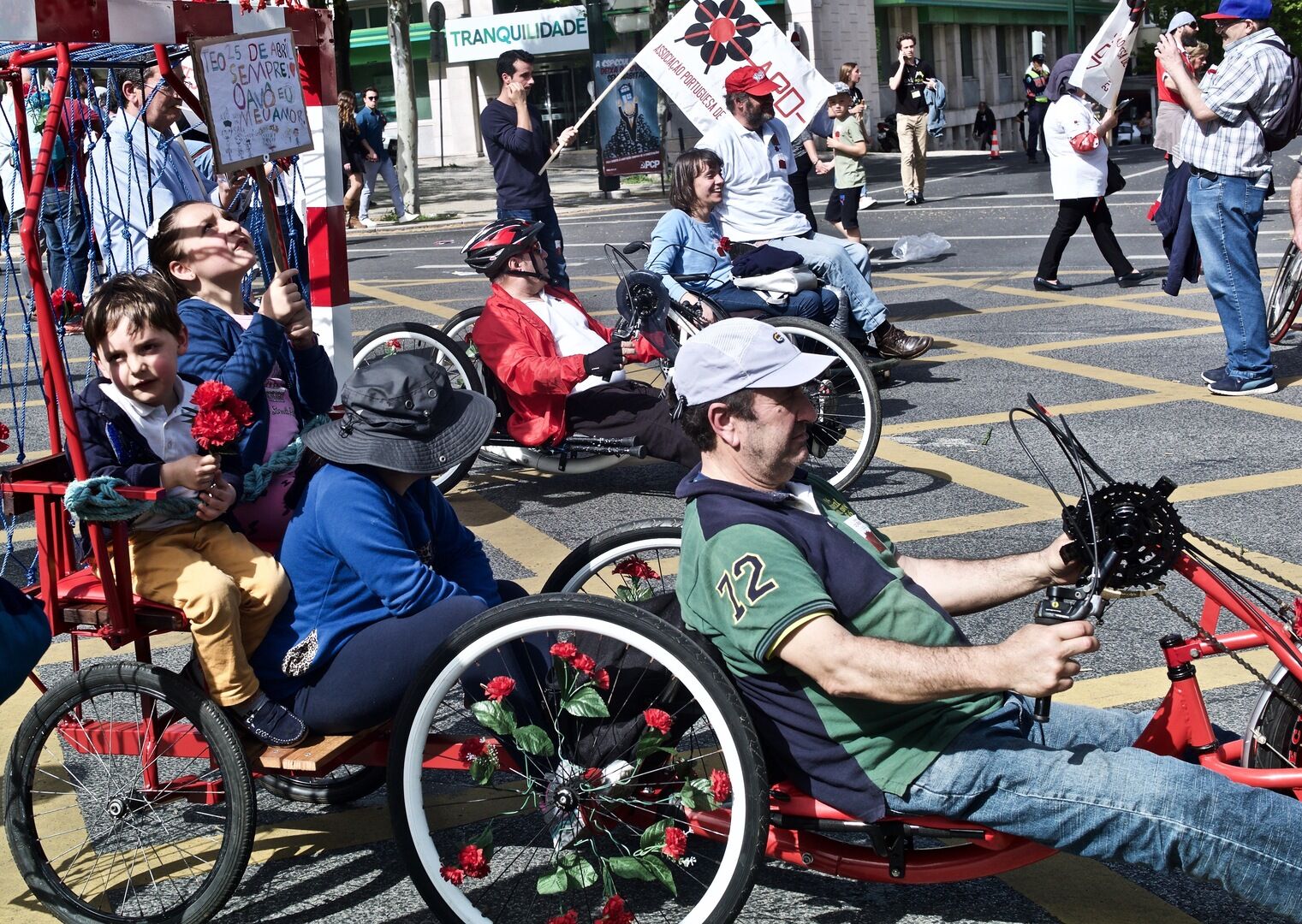
Street vendors and volunteers distribute red carnations throughout the avenue and in Baixa. Accepting one - and wearing it - is a quiet way to participate in something the city takes seriously.
Where Else the Day Unfolds
Beyond the avenue, Freedom Day spreads across several key locations. The Assembleia da República in São Bento hosts official state ceremonies attended by government officials and diplomatic representatives. The area around the parliament building often draws smaller gatherings.
Terreiro do Paço (Praça do Comércio), Lisbon's riverfront square, typically hosts open cultural programming in the afternoon: live music, exhibitions, and commemorative installations. The atmosphere there tends to be more relaxed and festive than the formal parade.
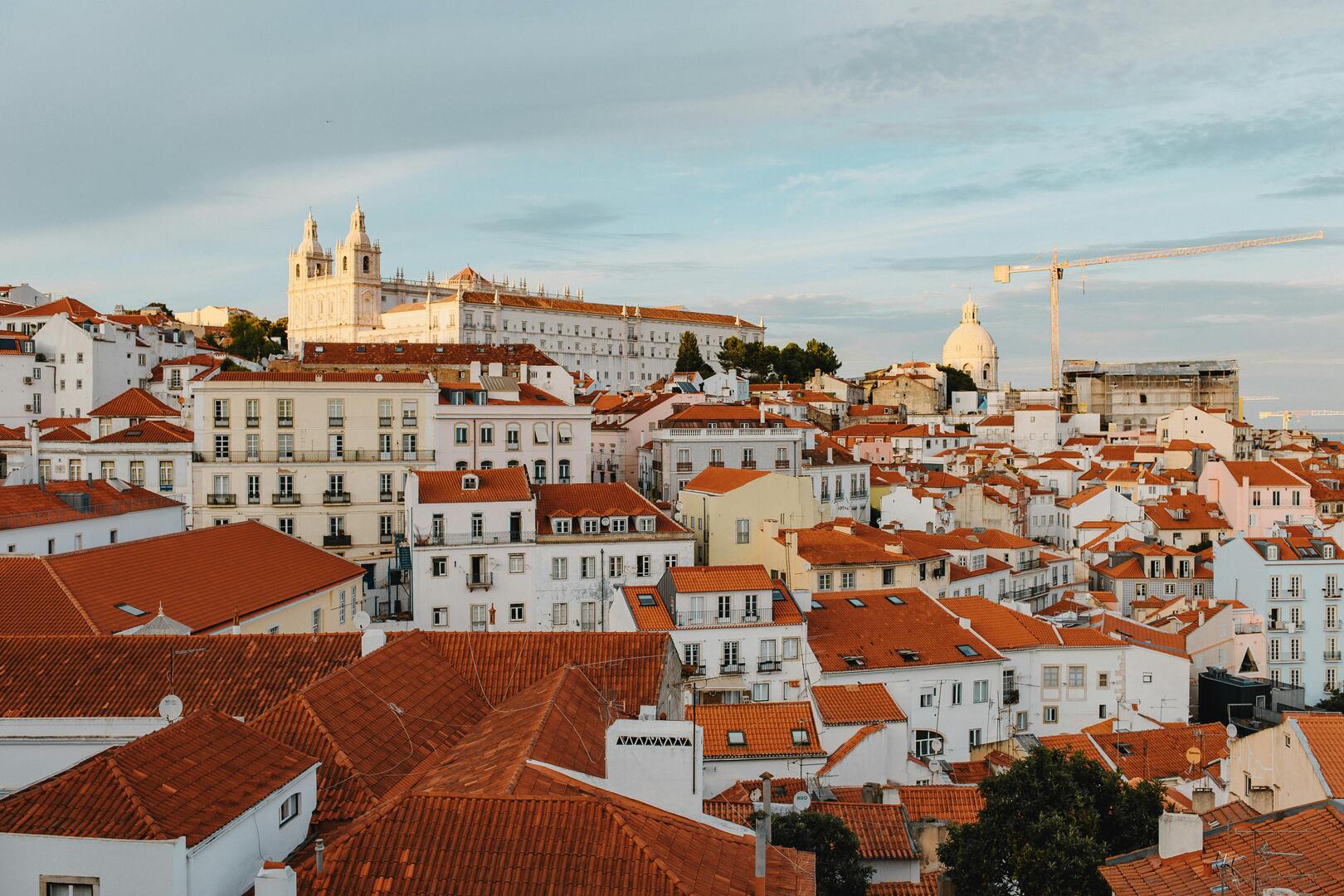
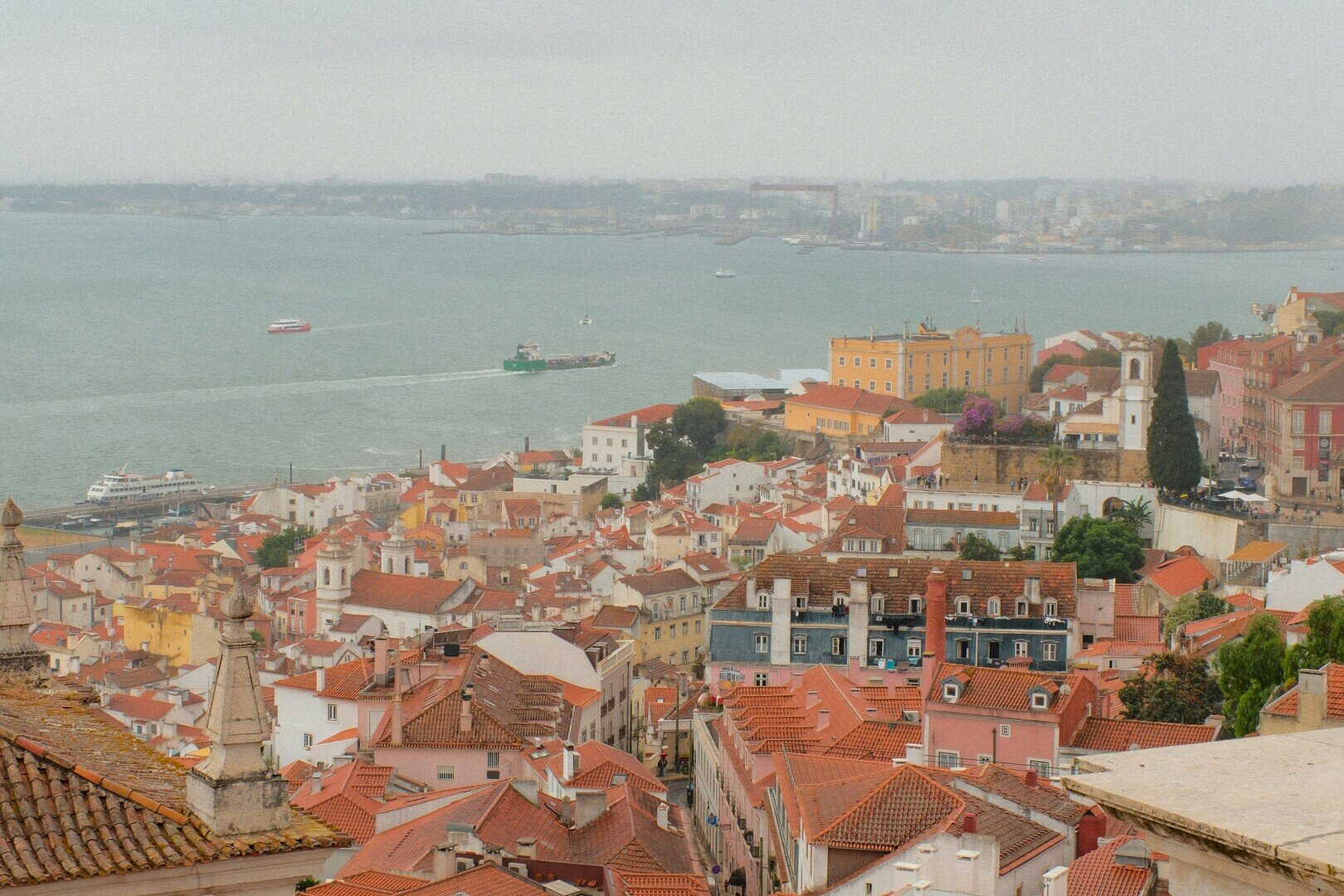
In Alfama, the day carries a particular resonance. The neighborhood's fado houses often mark the evening with special performances, and the winding streets feel especially alive with locals celebrating outdoors.
Key locations for Freedom Day:
- Avenida da Liberdade: main parade route, morning to early afternoon.
- Praça dos Restauradores: southern endpoint of the march, often with a stage and speakers.
- Terreiro do Paço: afternoon cultural programming and open-air gatherings.
- Assembleia da República, São Bento: official state ceremony.
- Alfama: neighborhood atmosphere, evening fado.
What's Open and What's Closed
April 25 is a national public holiday, so standard business hours do not apply. Most government offices, banks, and many shops in Baixa will be closed. However, Lisbon's tourist infrastructure largely stays open: restaurants, cafés, museums, and major landmarks typically operate, though hours may be reduced.
Transport runs on a modified schedule. The Lisbon Metro operates but may be more crowded than usual in the morning and afternoon around the parade area. Tram 28 and Tram 15E run but access to parts of Alfama may be slower given street activity.
Practical opening notes:
- Castelo de São Jorge: typically open, confirm hours in advance.
- Mosteiro dos Jerónimos (Belém): open with standard holiday hours.
- Museu do Fado: open, often with special programming.
- Most restaurants and cafés: open, though busy near the parade zone.
- Banks, pharmacies (non-emergency): closed or limited service.
How Freedom Day Fits Into a Lisbon Visit
Visitors already in Lisbon on April 25 have a rare opportunity to see the city at its most publicly expressive. The day works well as a slower, neighborhood-based experience: rather than trying to cover multiple sites, position yourself on or near Avenida da Liberdade for the morning, then move toward Terreiro do Paço or Alfama in the afternoon.
If you are planning a guided walk of central Lisbon, the Lisbon's Grand Avenues Tour covers the full length of Avenida da Liberdade and Praça Marquês de Pombal - the exact axis along which the Freedom Day parade moves. Scheduling this in the days just before or after April 25 lets you understand both the boulevard's daily character and its historic and civic significance.
Practical Tips for April 25 in Lisbon
- Arrive early on the avenue: The best viewing positions along Avenida da Liberdade fill up before the march begins. Aim to be in place by 10am.
- Accept the carnations: Volunteers and vendors distribute red carnations freely. Wearing one is a natural way to participate in the day.
- Expect public transit to be busier than usual: Plan extra time if moving between neighborhoods during parade hours (late morning to early afternoon).
- Book restaurants in advance: Popular spots in Baixa and Alfama fill up quickly on public holidays, especially for lunch.
- Check schedules for specific museums: Hours can vary on national holidays; confirm online a day before.
- Stay into the evening: The day's energy continues in Alfama and Bairro Alto with music, fado, and informal gatherings well into the night.
For help planning your Lisbon itinerary around Freedom Day or other seasonal events, contact our Tour Concierge at [email protected].