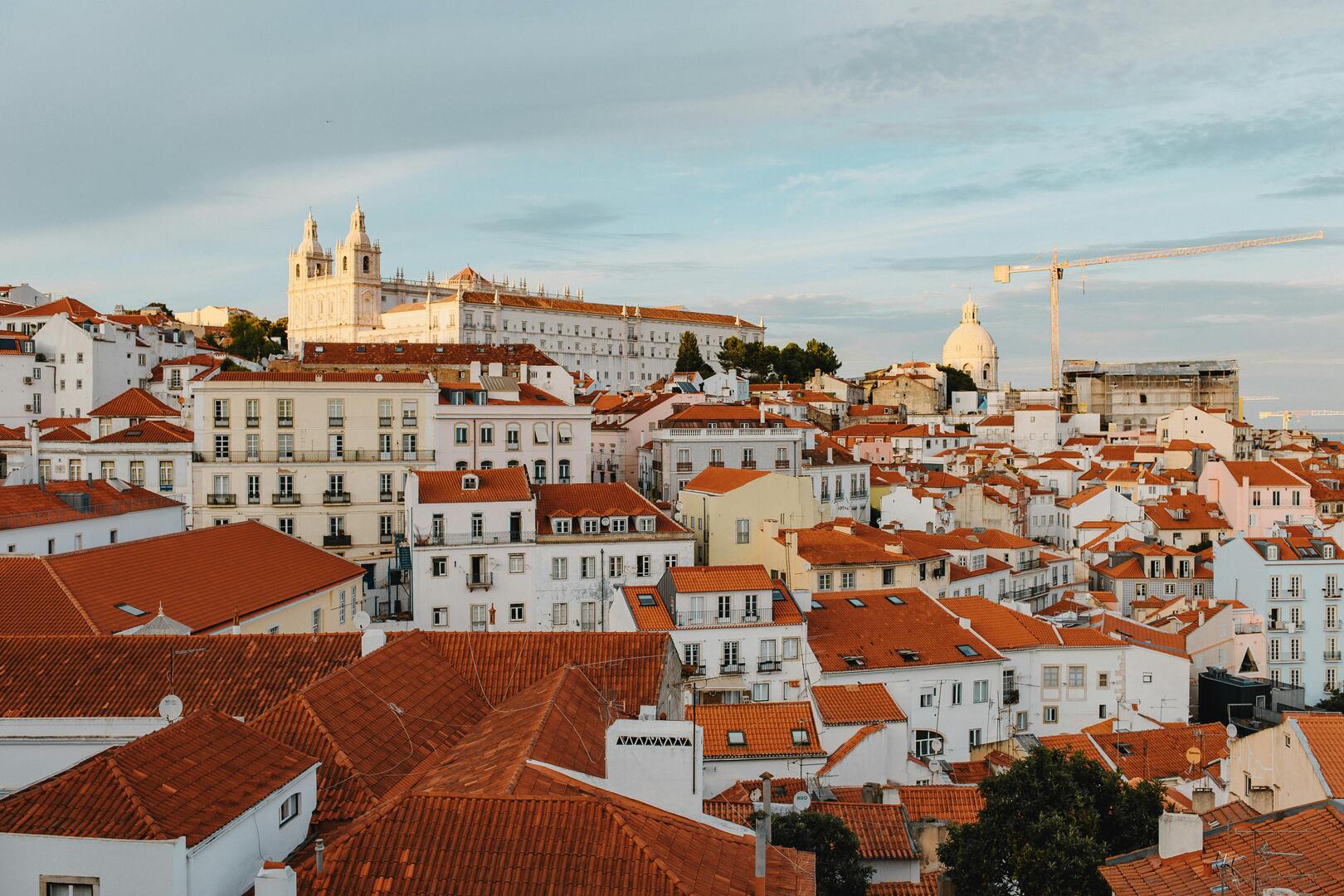
Alfama Neighborhood Guide: Lisbon's Oldest Quarter & Best Viewpoints
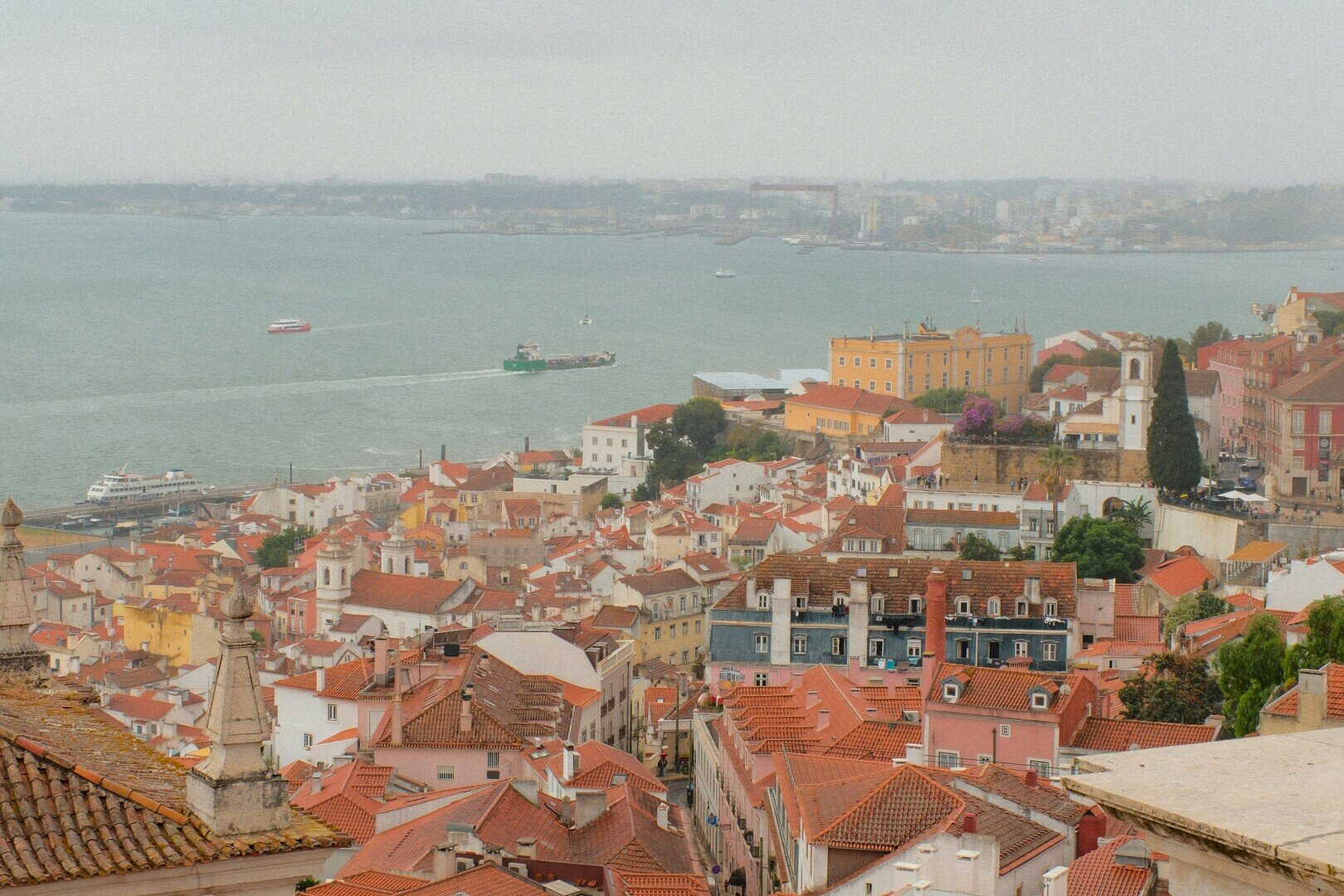
Alfama is where Lisbon still feels closest to its oldest layers: narrow lanes shaped by medieval topography, stairways that open onto river light, and corners where daily life keeps moving between laundry lines, tram bells, and church towers. In late March, the district shifts into a gentle spring rhythm.
This guide is designed for travelers who want more than a checklist. It maps Alfama as a lived neighborhood: where to begin, which viewpoints are worth your uphill effort, what to pair together in one day, and how to connect Alfama naturally with Belém and central Lisbon.
Why Alfama Still Feels Different
Much of Lisbon was rebuilt after the 1755 earthquake, but Alfama preserved a larger share of its older urban fabric. That is why its layout is irregular and intimate compared with the geometric streets of Baixa.
"In Alfama, direction matters less than pace: the district rewards slow movement, short detours, and time spent at each viewpoint rather than distance covered."
What defines the area:
- Historic lanes shaped by Moorish and medieval Lisbon.
- Strong connection to fado heritage and neighborhood tavern culture.
- A concentration of miradouros within walking distance of major landmarks.
Best Viewpoints in Alfama and Nearby Slopes
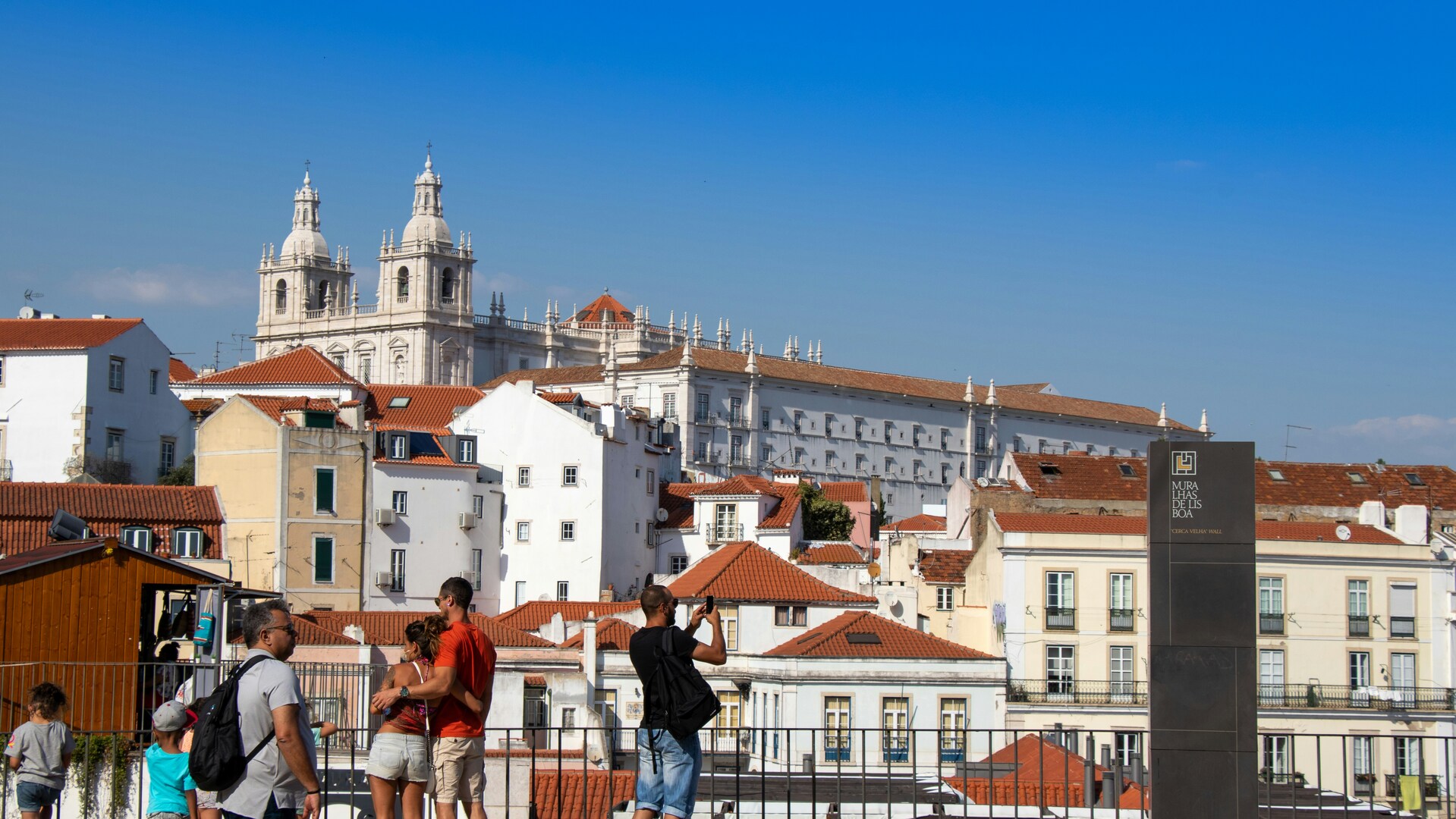
If your time is limited, prioritize viewpoint sequencing rather than trying to see every lane. Start with Miradouro de Santa Luzia, then step a few minutes to Miradouro das Portas do Sol. Continue uphill to Castelo de São Jorge for the most complete city perspective.
If you still have energy, add Miradouro da Graça or Miradouro da Senhora do Monte toward late afternoon for broader skyline depth.
Landmarks to Pair in One Coherent Walk
A practical Alfama route works best when organized around altitude: begin lower, then climb once, then descend gradually. A reliable sequence is Lisbon Cathedral and Igreja de Santo António, then Santa Luzia and Portas do Sol, then castle grounds, followed by São Vicente de Fora, the National Pantheon, and the riverside edge near the Fado Museum.
On Tuesdays and Saturdays, add Feira da Ladra near Campo de Santa Clara.
Spring 2026 Timing: What Changes in Late March and April
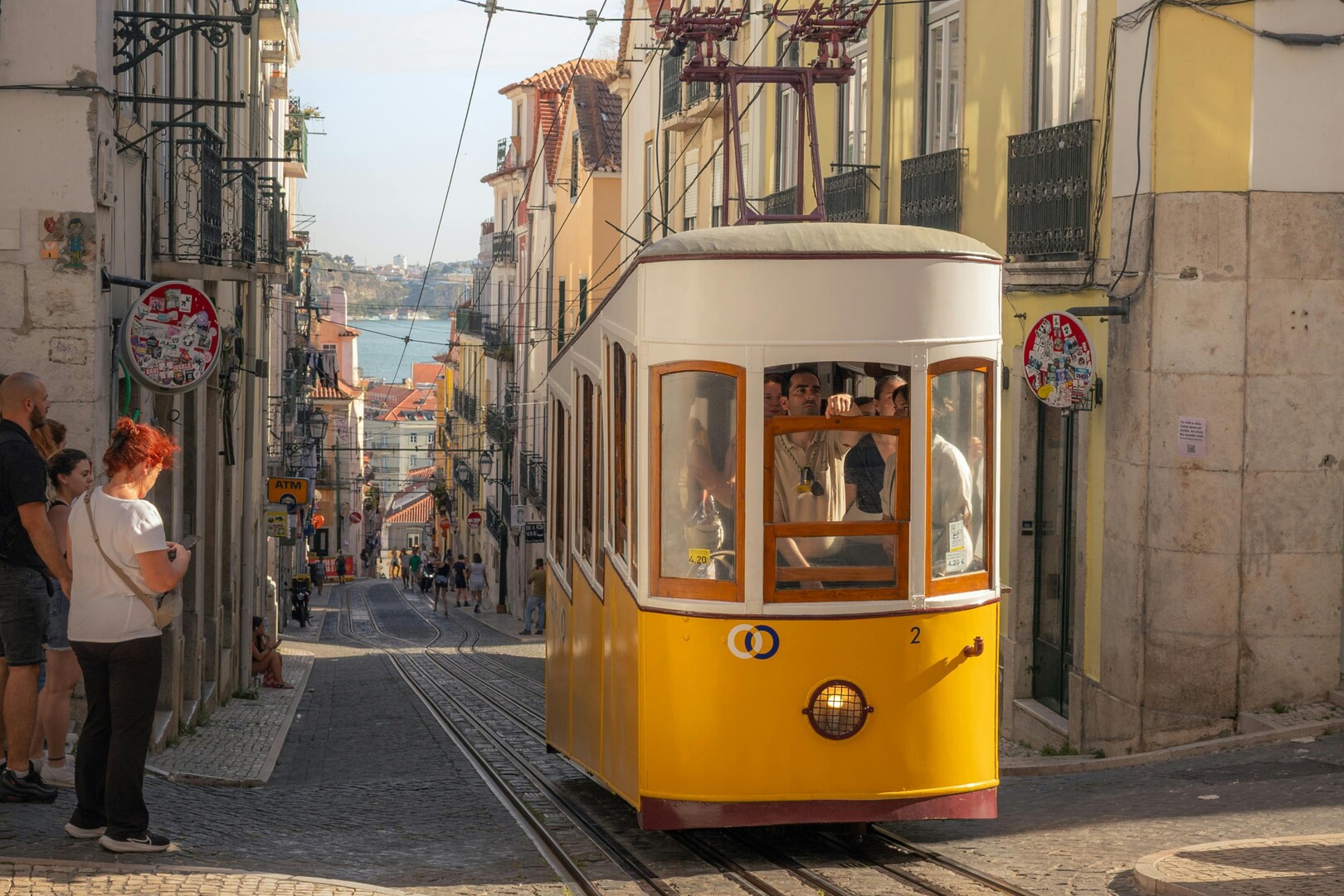
In spring, Alfama is easier to experience on foot than in high-summer heat. Light extends into early evening, so terrace viewpoints remain pleasant later in the day. Tram demand is still high, especially on line 28, but shoulder-season mornings tend to be more manageable than peak summer queues.
Around Easter week, central areas can feel busier and some schedules may vary. Treat major interiors as fixed anchors and keep flexible blocks for spontaneous lane wandering, cafés, and miradouro stops.
Where Alfama Fits in a Wider Lisbon Itinerary
Alfama is strongest as a half-day to full-day neighborhood focus. For travelers combining multiple areas, pair it with one additional zone rather than trying to cross the whole city in a single loop.
Good combinations with One Journey Lisbon experiences:
- Alfama + Royal hills: Works naturally with routes centered on castles and panoramic points, including Lisbon's Royal Views.
- Alfama + Belém: Contrast medieval lanes with riverside monuments through the Complete Belem Tour.
- Alfama + central boulevards: Pair neighborhood texture with formal urban Lisbon via Lisbon's Grand Avenues.
Practical Tips for Walking Alfama Well
- Start early: arrive before late-morning tour peaks for clearer photos at Santa Luzia and Portas do Sol.
- Use grip-friendly shoes: calçada stones can be slippery, especially after rain.
- Climb first, descend later: structure your route uphill in one segment to avoid repeated steep returns.
- Keep tram expectations realistic: Tram 28 is iconic but frequently crowded; walking is often faster inside the district.
- Respect residential streets: Alfama remains a lived neighborhood, not only a sightseeing zone.
For route-specific help combining Alfama with Belém, central boulevards, or castle viewpoints, contact our Tour Concierge at [email protected].