Versailles Gardens in Spring: Fountain Shows, Flower Beds & the Best Dates
Spring at Versailles is less a single moment than a gradual reveal. The clipped lines of the parterres soften into color, the groves reopen as leafy rooms, and selected fountain days bring moving water and music back to the formal geometry of the estate. For travelers based in Paris, this is the season when the gardens feel structured yet alive.
The key is timing. Between late March and May, conditions can shift week by week: bloom progress, weather swings, and show schedules all shape the experience. A well-planned visit balances the palace interiors with outdoor routes through the Latona and Apollo areas, the groves, and the Grand Canal axis.
What Changes in the Gardens from March to May
In late March, you still see the structural lines of Le Notre's design with clearer sightlines through hedges and alleys. By April, flower beds and ornamental plantings become fuller, and the garden's color story reads more clearly from terrace viewpoints behind the palace. Through May, longer days and milder temperatures make full garden circuits more practical, especially if you include outlying sections such as the Trianon estate.
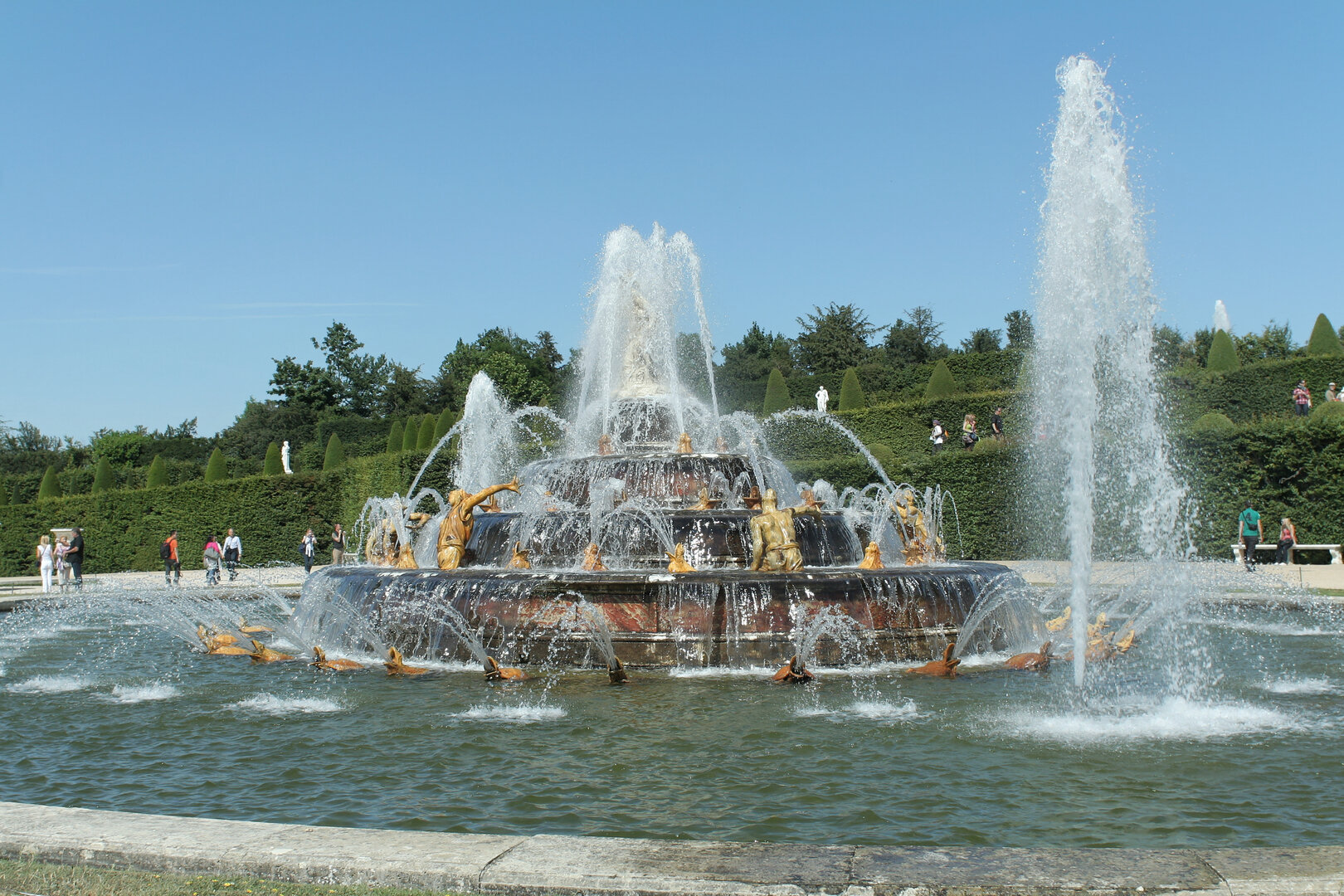
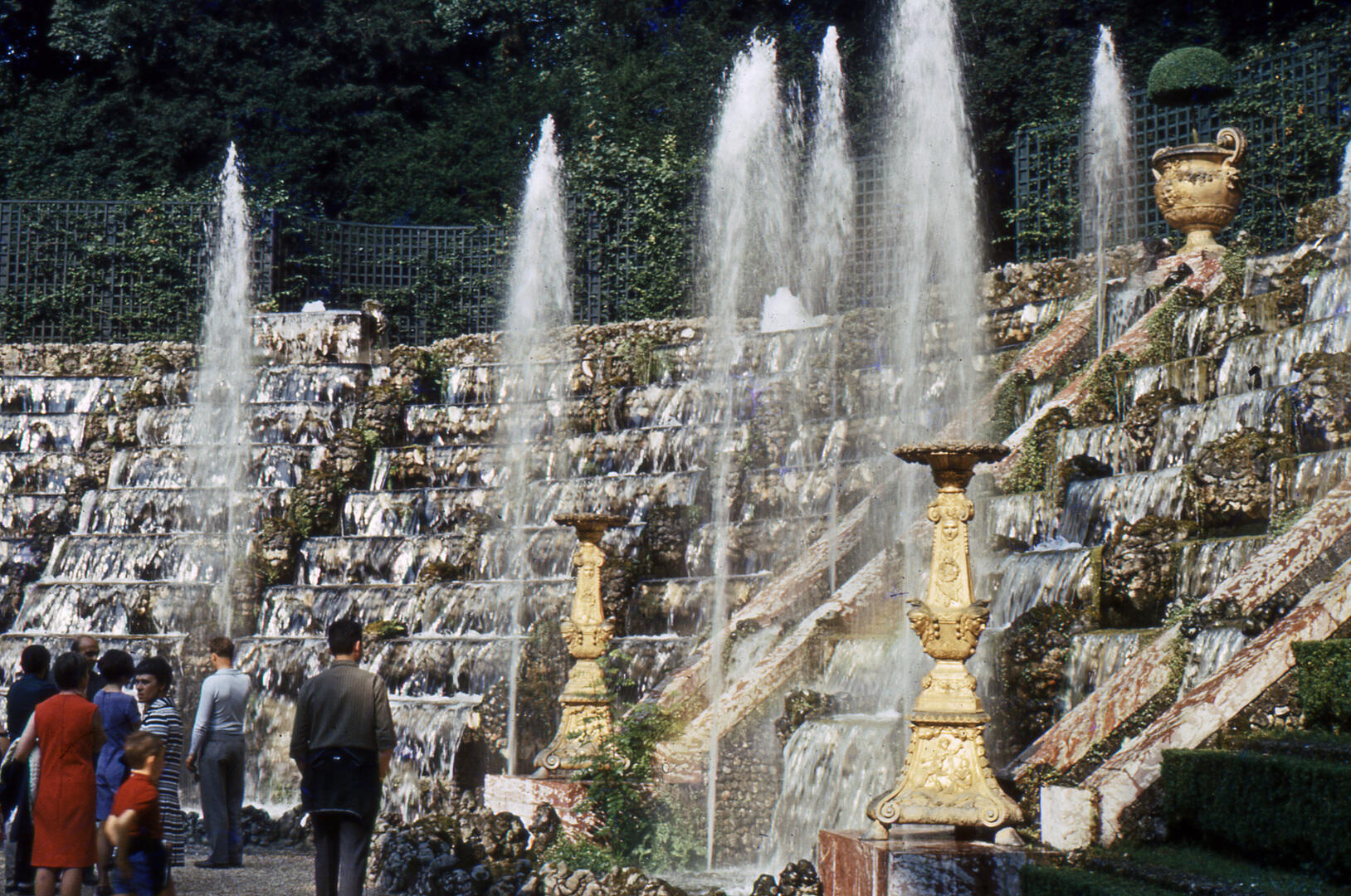
Fountain and musical programming usually runs on selected dates rather than every day, so a spring visit works best when your travel day matches the official operating calendar. On show days, the same routes feel very different: basins animate, sound carries through the groves, and pauses at each fountain become part of the rhythm.
"At Versailles in spring, the route matters as much as the monument: walk slowly enough and each grove feels like a scene change."
Fountain Shows and Musical Garden Days: How to Plan
The estate's fountain and musical activations are among the strongest reasons to target spring dates. They begin in spring and continue through warmer months, with specific time blocks and zones turning on at different points of the day. Arriving early and checking the official timetable before departure helps you avoid missing key sequences.
A useful strategy is to start with palace entry in the morning, then shift outdoors once pathways and groves are fully active. If you are traveling from central Paris, this pairing aligns naturally with One Journey's Versailles itinerary style, where transport logistics are handled first and independent exploration follows.
Spring planning essentials for show days:
- Verify fountain and musical schedules on the official Versailles calendar before booking transport.
- Allow enough time for both palace interiors and garden routes; each can easily fill half a day.
- Use comfortable shoes, because gravel paths and long axes create more walking than many first-time visitors expect.
Flower Beds, Groves, and the Trianon Atmosphere
The formal parterres closest to the palace deliver the most immediate visual impact, but much of spring's character appears deeper in the groves and around the Trianon domain. These areas tend to feel quieter than the palace core and reward slower walking, especially in mid to late spring when plantings are fuller.
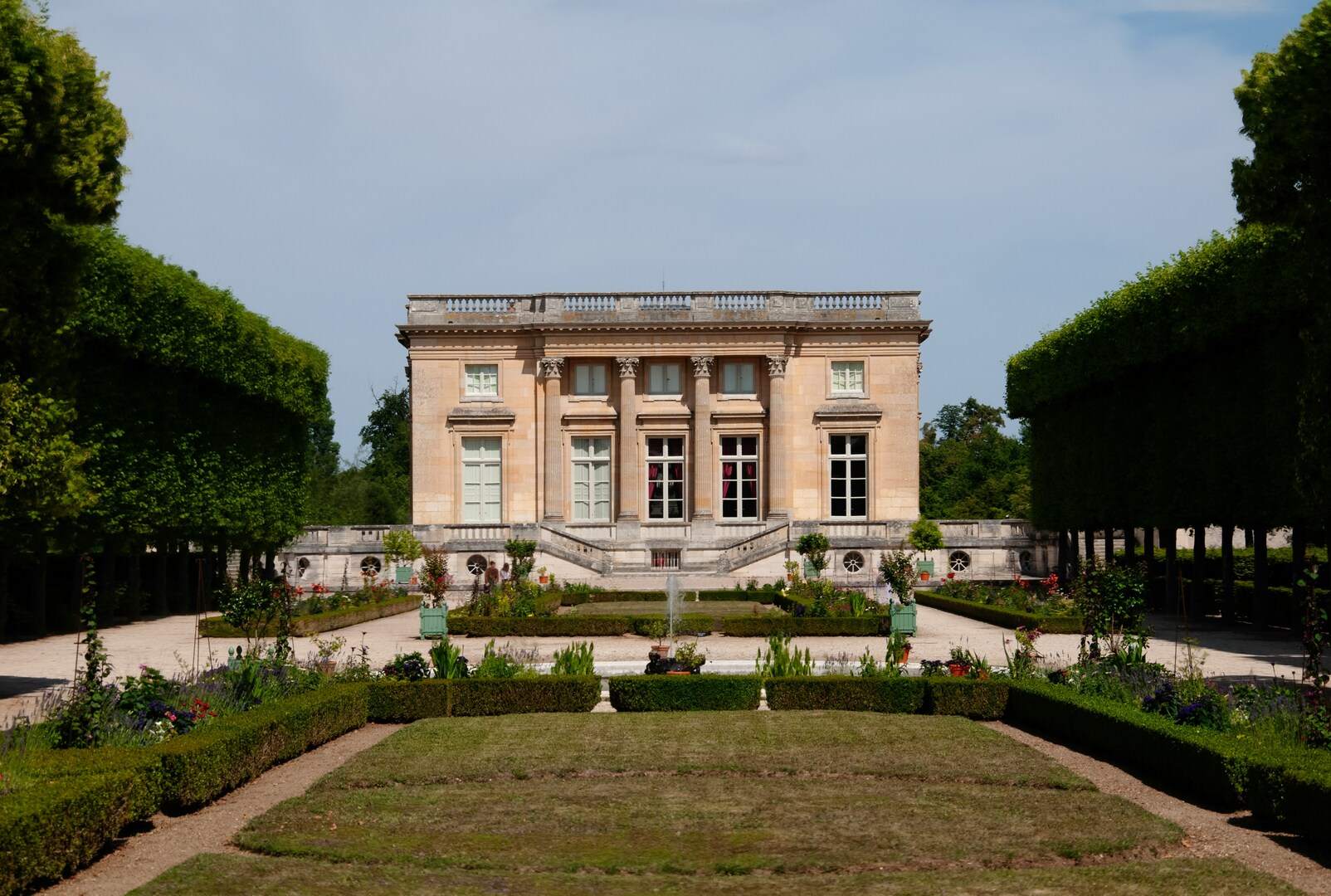
If your day includes Passport-level access, continuing to the Grand Trianon and Petit Trianon adds a softer counterpart to the main palace narrative. You move from ceremonial symmetry into more intimate landscape design, with changing light and seasonal scent becoming part of the experience.
Best Spring Dates for Different Travel Styles
There is no single perfect date, but there are strong windows. Late March and early April usually suit travelers who prioritize clearer pathways and lower pressure in the gardens. Mid to late April often balances floral interest with manageable temperatures. May generally offers richer greenery and longer daylight, though it can also draw larger crowds on weekends and holiday periods.
Weekday visits are typically easier for pacing than Saturdays, especially if your goal is photography or longer stops inside specific groves. If your trip to Paris is short, placing Versailles on a weekday near the center of your itinerary gives better flexibility in case of rain or schedule changes.
Quick date guide:
- Late March to early April: calmer pathways and crisp garden structure.
- Mid to late April: stronger bloom progression with moderate spring weather.
- May: fullest green season and longer golden-hour light.
Practical Tips for a Smooth Versailles Spring Day
- Check weather and wind: spring showers are common, so a light waterproof layer and compact umbrella are useful.
- Book timed entry early: palace slots can shape your entire day, especially on show dates.
- Pack for long walks: water, light snacks, and comfortable footwear make a major difference on estate routes.
- Plan your return window: leaving at peak evening times can slow transit back to Paris.
- Prioritize two or three grove zones: focused routing gives a better experience than trying to see everything quickly.
If you are shaping a Paris spring itinerary that includes Versailles, plan around official garden operations first, then build city visits around it - contact our Tour Concierge at [email protected]. The sequence usually produces a calmer, better-paced day than treating Versailles as an unstructured add-on.