Sunrise · The temples
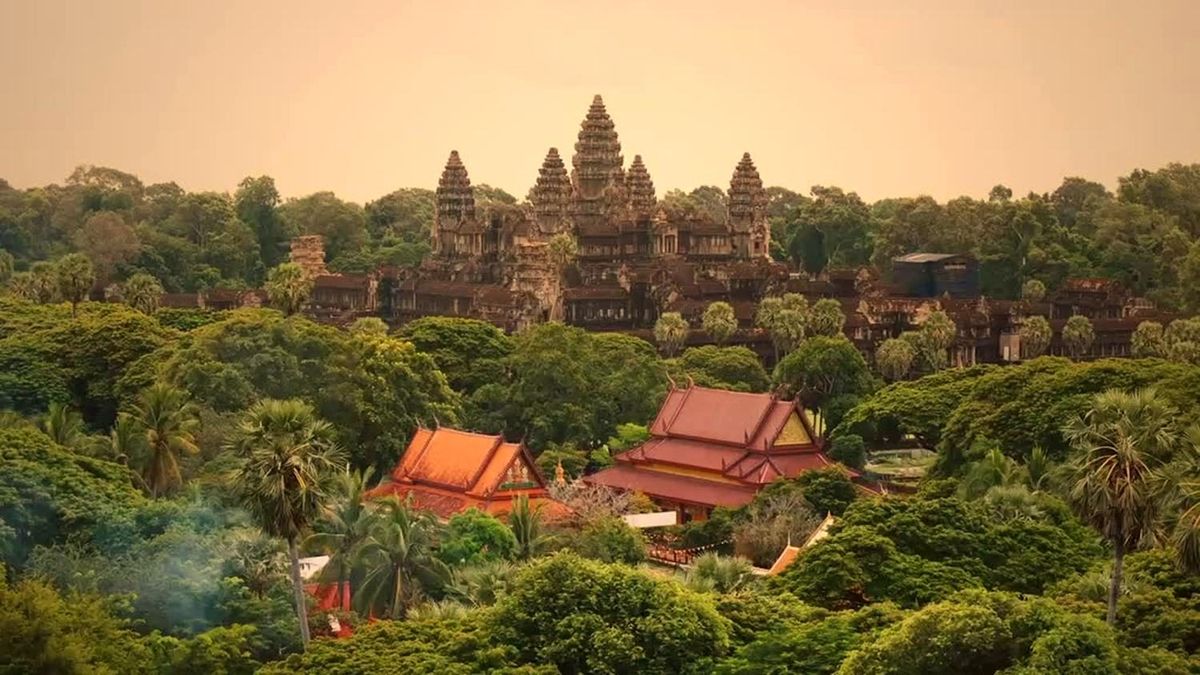
Angkor Wat at Sunrise, Privately
Before the world wakes, the Kingdom belongs to you.
- Angkor
- Half day
- Private
At noon, the Kingdom’s oldest souls take to the shade.
The experience
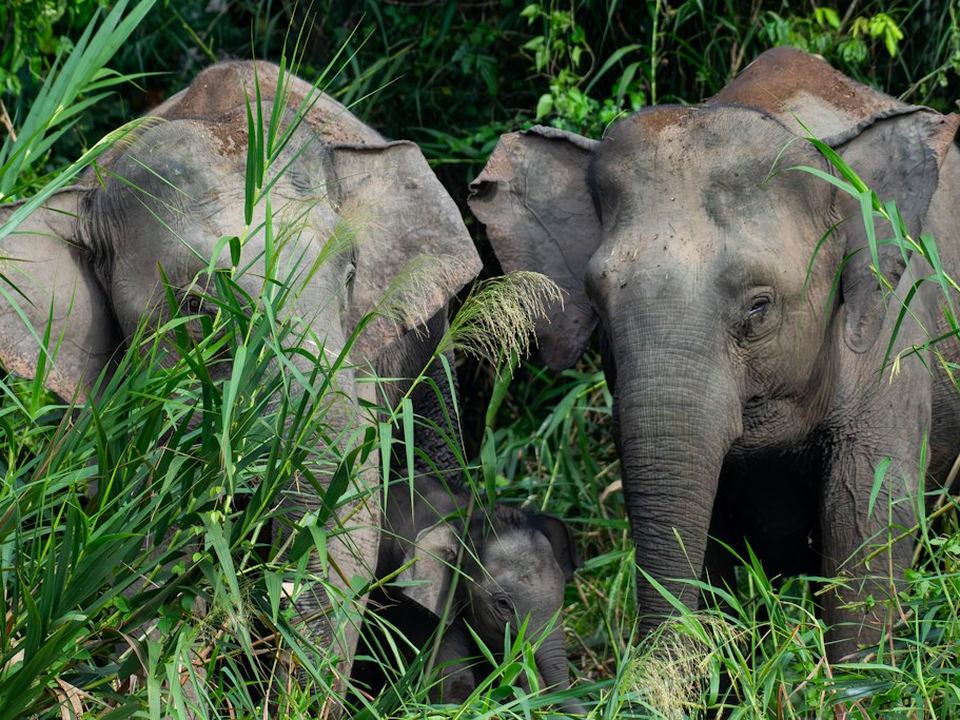
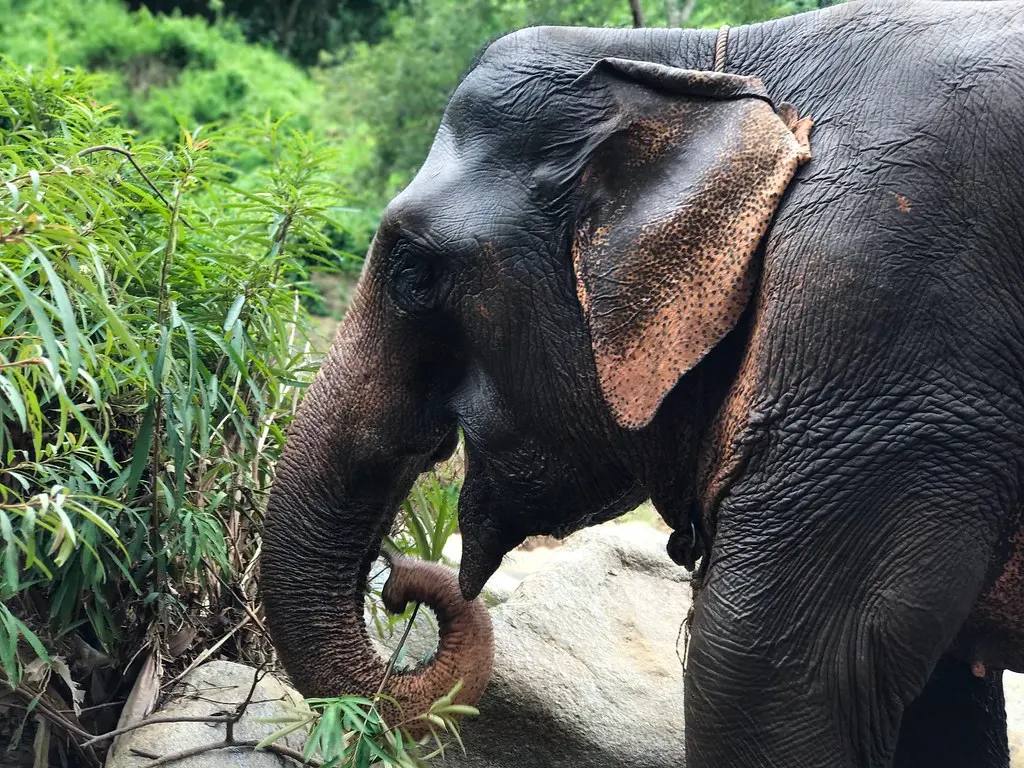
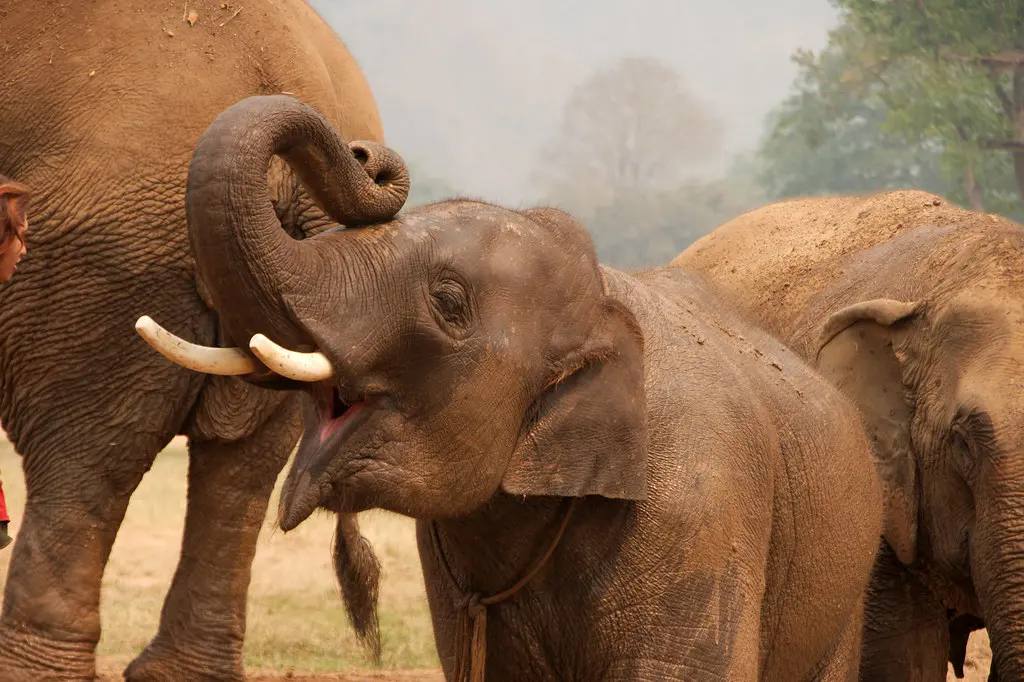
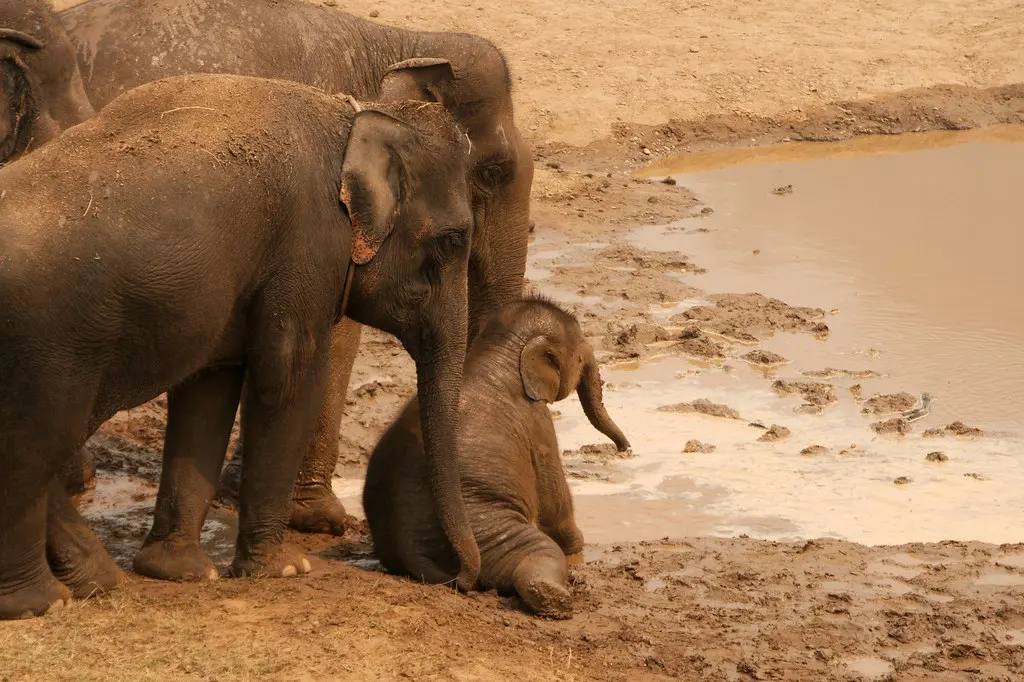
In eleven hundred acres of protected forest beneath sacred Kulen Mountain, the elephants who once carried tourists around the temples now simply live. Walk quietly alongside them, then share a Cambodian lunch at base camp. This is what giving back looks like.
In pictures
Photos: 1 Ryan.Kartzke, CC BY 2.0 · 2 Christian Haugen, CC BY 2.0 · 3 Christian Haugen, CC BY 2.0 · 4 Phalinn Ooi, CC BY 2.0 · 5 MoonsMoon, CC BY 4.0 · 6 Prerit, CC BY-SA 2.0 · 7 Gerd Eichmann, CC BY-SA 4.0
The story
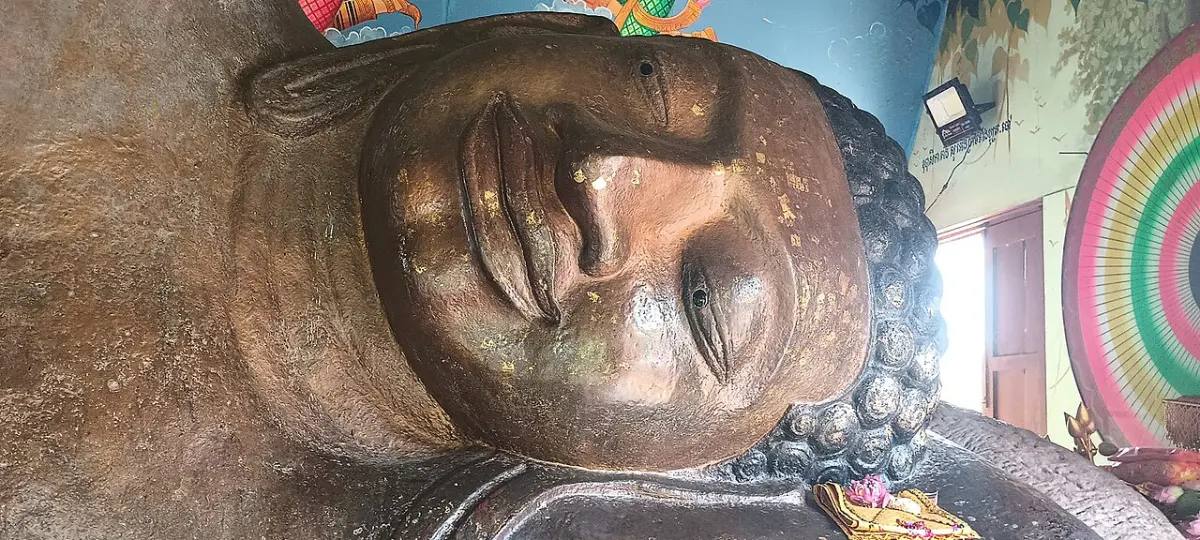
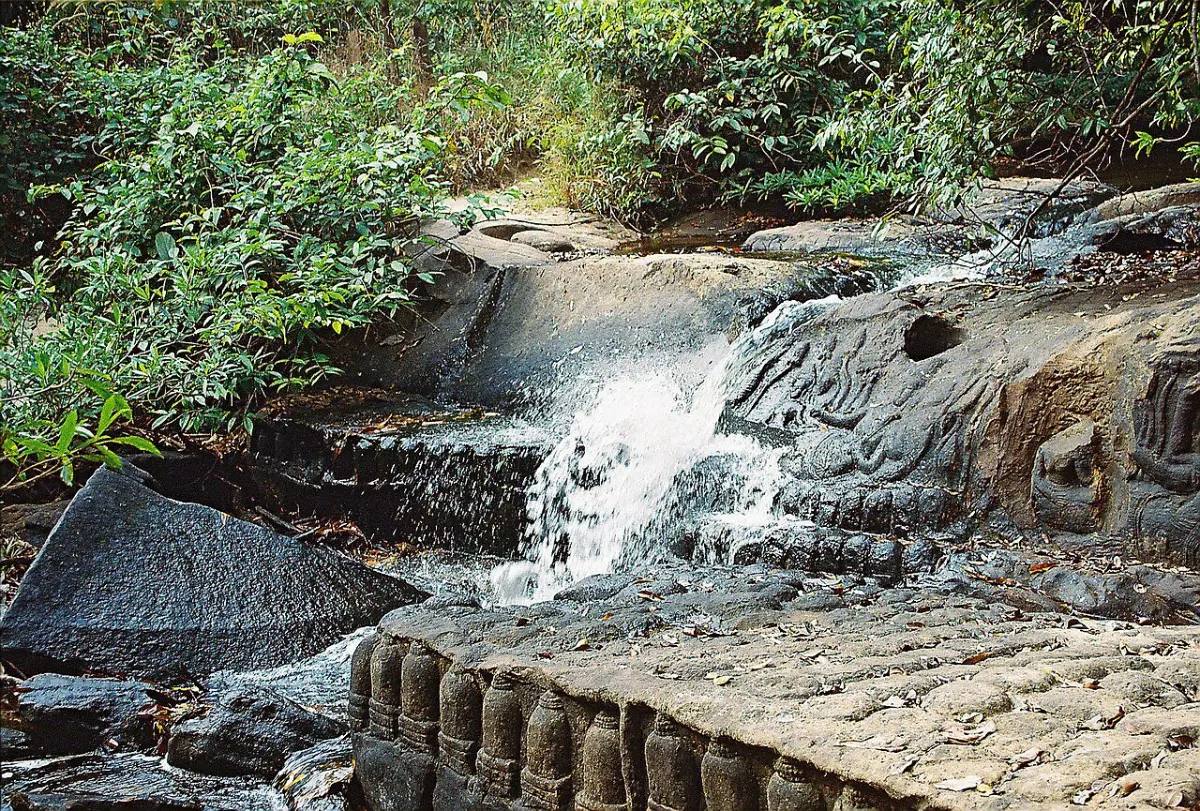
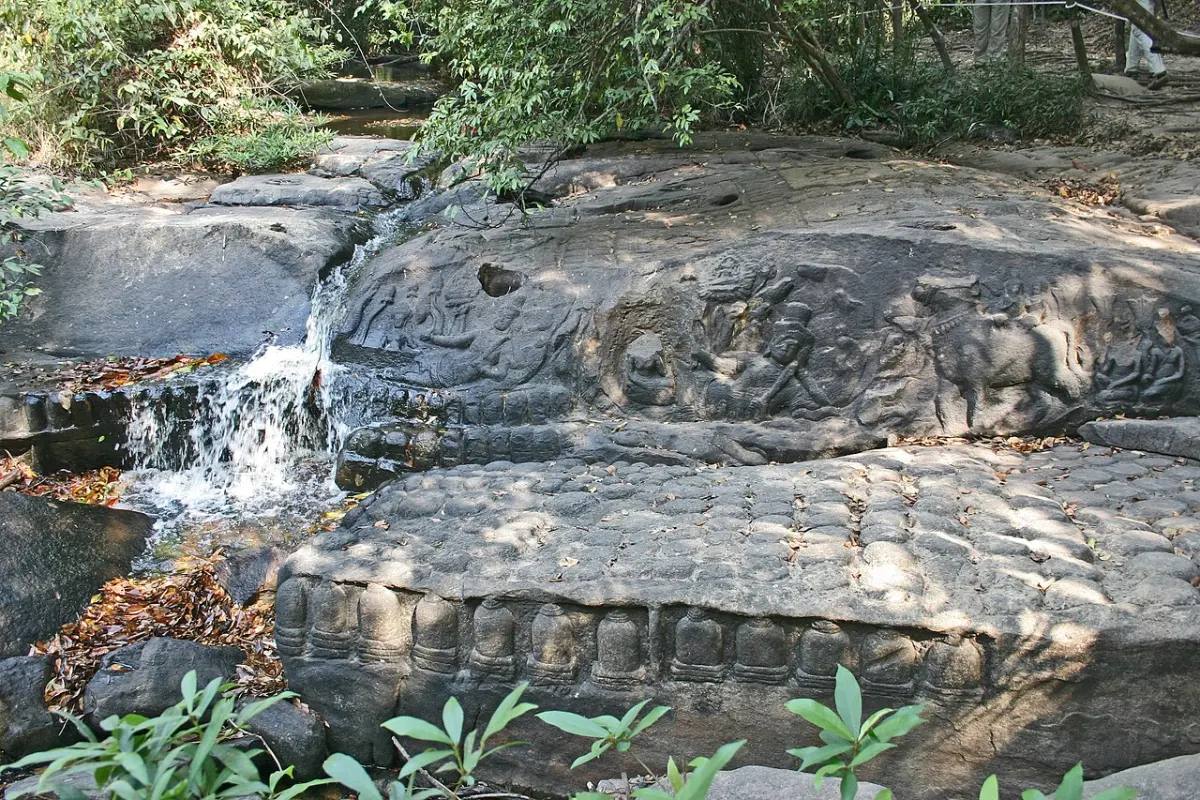
Phnom Kulen is the most sacred mountain in Cambodia. Its ancient name, Mahendraparvata, means the mountain of the great Indra, and it was here, in 802, that Jayavarman II declared independence from Java and was proclaimed universal monarch. That ceremony is counted as the founding of the Khmer Empire. Pilgrims still climb to the eight-metre reclining Buddha at Preah Ang Thom, and the riverbed at Kbal Spean, on the mountain’s western range, is carved with so many lingas that it is known as the River of a Thousand Lingas.
For years, elephants carried visitors around the temples of Angkor. In 2019 their keepers announced the rides would end, and by early 2020 the elephants had left the temples for good. Today they live in eleven hundred acres of protected forest in the mountain’s foothills, with no rides, no chains and no performances.
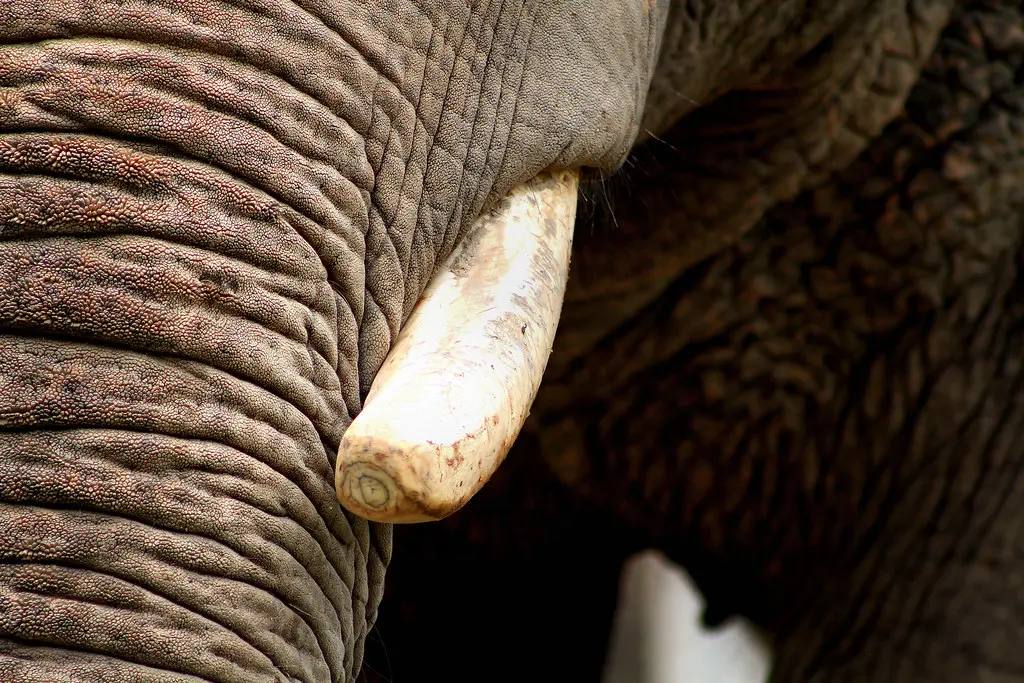
Asian elephants are endangered, and only four to six hundred remain wild in Cambodia. An adult eats between 74 and 150 kilograms of food a day and can spend up to nineteen hours feeding. So most of what you will see is elephants eating, bathing and moving slowly through the trees, and that is the point. The rule for guests is simple: observe, don’t interfere.
Itinerary
Leave Siem Reap for the foothills of sacred Phnom Kulen, about an hour away by road, then walk the last stretch into the forest, around fifteen minutes on foot.
Until 2020 they carried visitors around the temples of Angkor. Here they carry no one, and the day runs on their terms rather than ours.
Follow at a respectful distance as they graze, bathe and roam. There is no brushing, no touching and nothing staged for a photograph. Now and then guests are asked to help hose an elephant down or give it water, but only when the elephant chooses.
Share a Cambodian lunch at base camp before the drive back to Siem Reap.
On a full day
Stay on with the elephants into the afternoon, or ask us about adding the sacred sites on the mountain itself, from the reclining Buddha to the River of a Thousand Lingas.
Plan your trip
Before you go
No. There are no rides and no bathing with the elephants, and you don’t touch them. You walk with the team and watch them graze, bathe and roam. Sometimes guests are asked to help hose an elephant down or give it water, but only on the elephant’s terms.
They spent years carrying visitors around the temples of Angkor. When the rides ended in early 2020, they came to live in this forest.
About an hour by road, roughly 40 km, then a walk of around fifteen minutes into the forest.
A half day gives you time with the elephants and lunch at base camp. A full day adds more time in the forest, or a visit to the sacred sites on the mountain. Tell us how much of the day you would like to give it.
Comfortable clothes you don’t mind getting dirty, and closed shoes for uneven ground. Bring sunglasses, a hat, sunscreen and mosquito repellent.
It describes itself as the first facility in Cambodia certified under the Asian Captive Elephant Standards (ACES), which assess how captive elephants are kept and cared for.
Arranged around you
Every One Journey experience in Cambodia is private. Tell us your dates and who is travelling, and we will arrange it around you.
or write to [email protected]
Or make it part of the whole journey: A Tale of Two Cities with Raffles
More of the Kingdom’s day
Sunrise · The temples
Before the world wakes, the Kingdom belongs to you.
Afternoon · The heroes
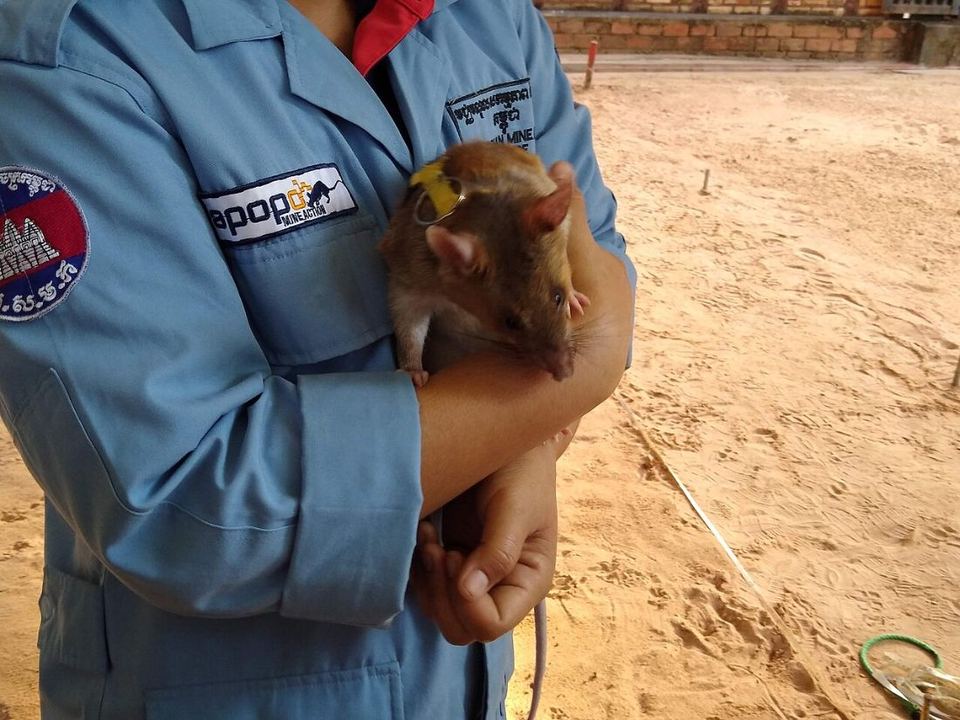
In the heat of the afternoon, the Kingdom’s smallest heroes are hard at work.
Dusk · The provinces
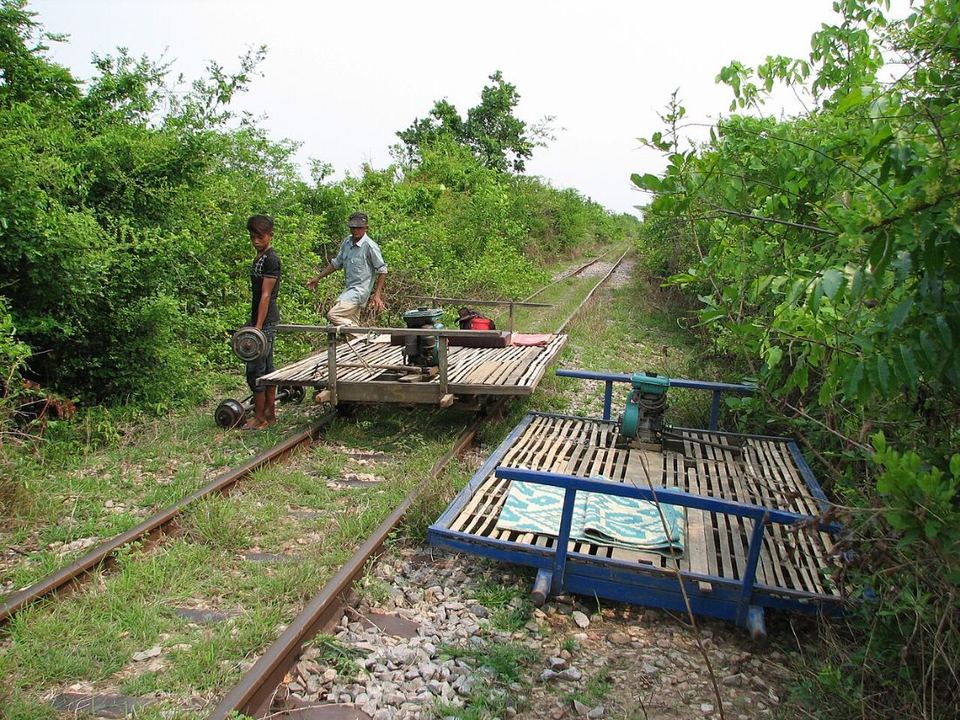
The light turns, and the provinces begin to glow.