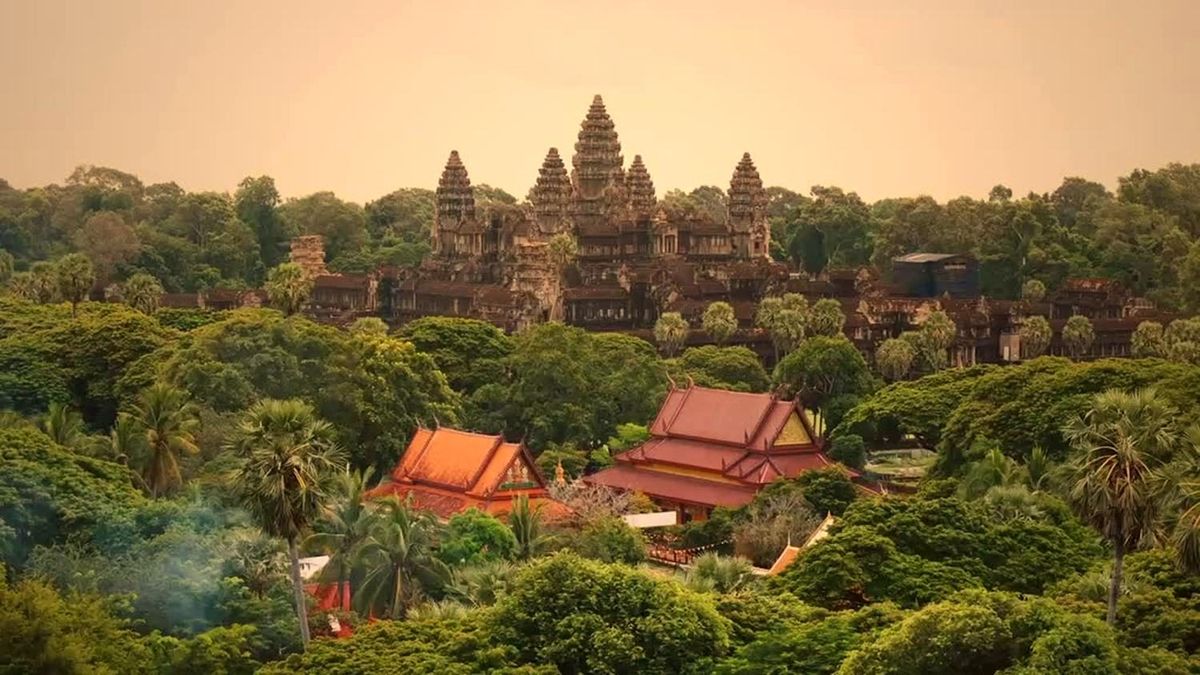
Sunrise · The temples
Angkor Wat at Sunrise, Privately
Before the world wakes, the Kingdom belongs to you.
- Angkor
- Half day
- Private
In the heat of the afternoon, the Kingdom’s smallest heroes are hard at work.
The experience
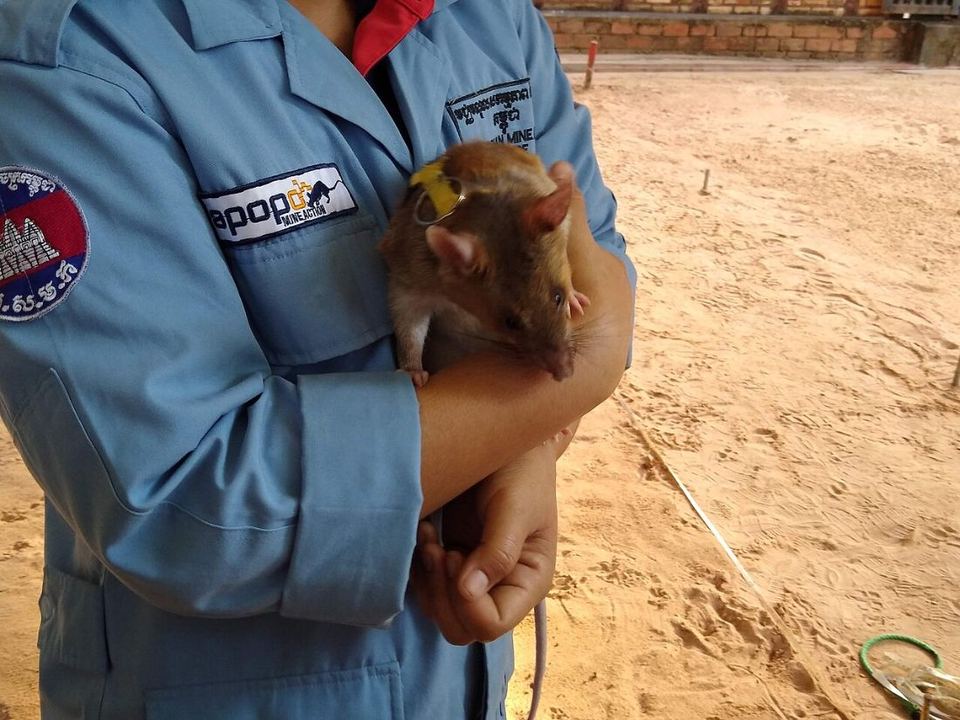
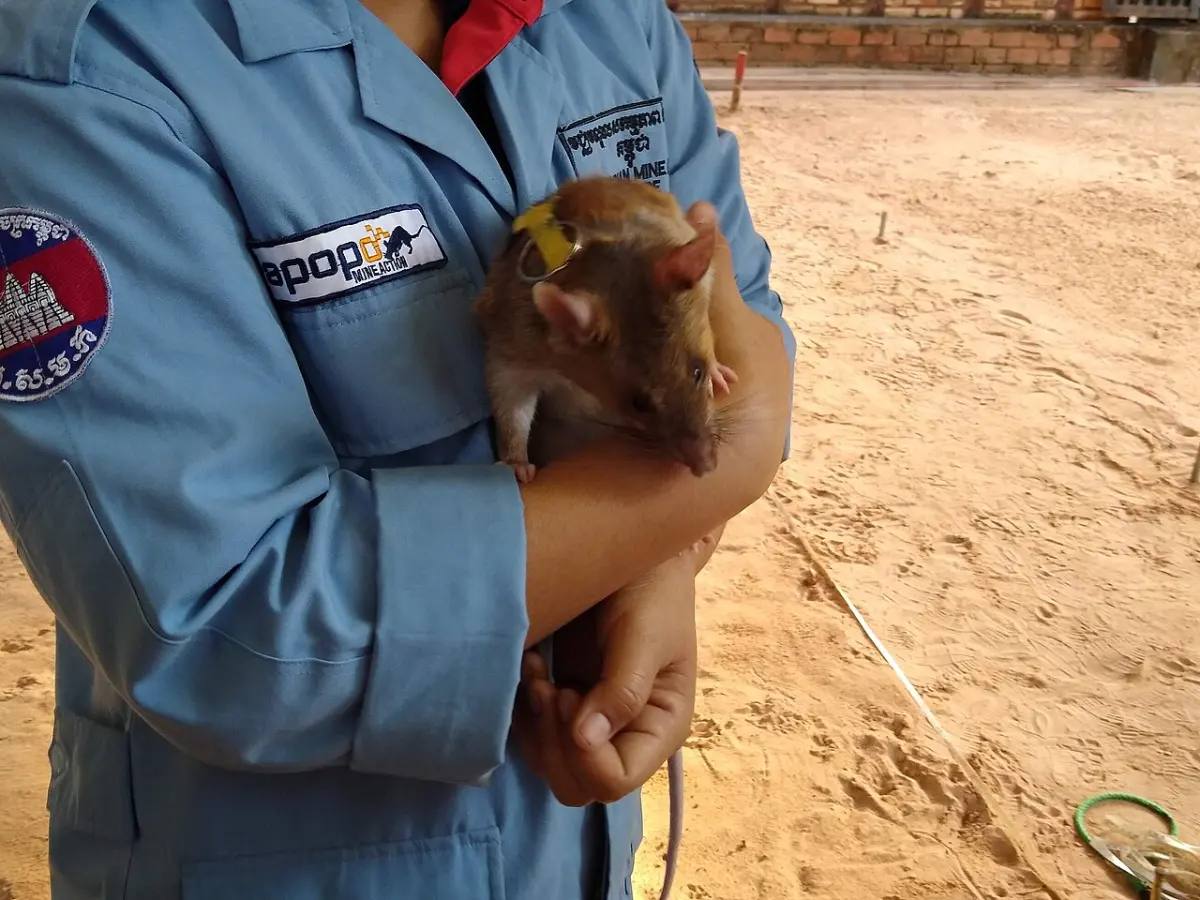
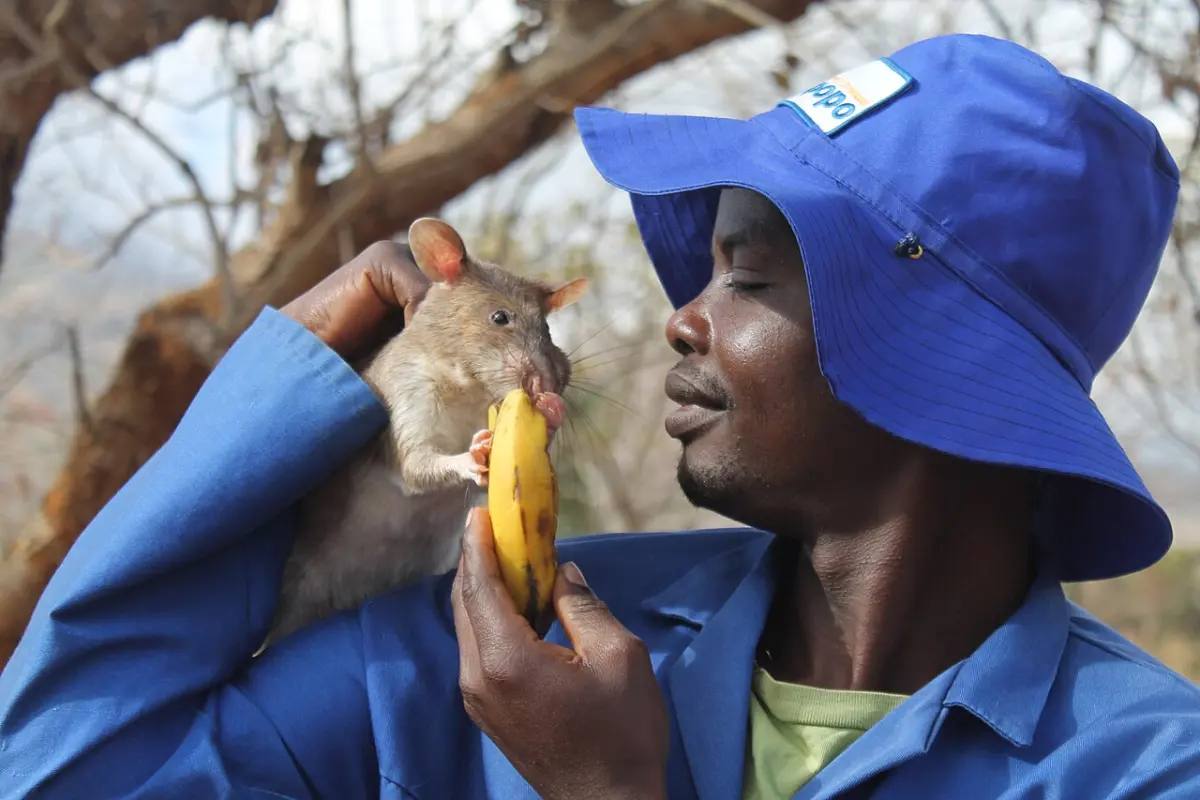
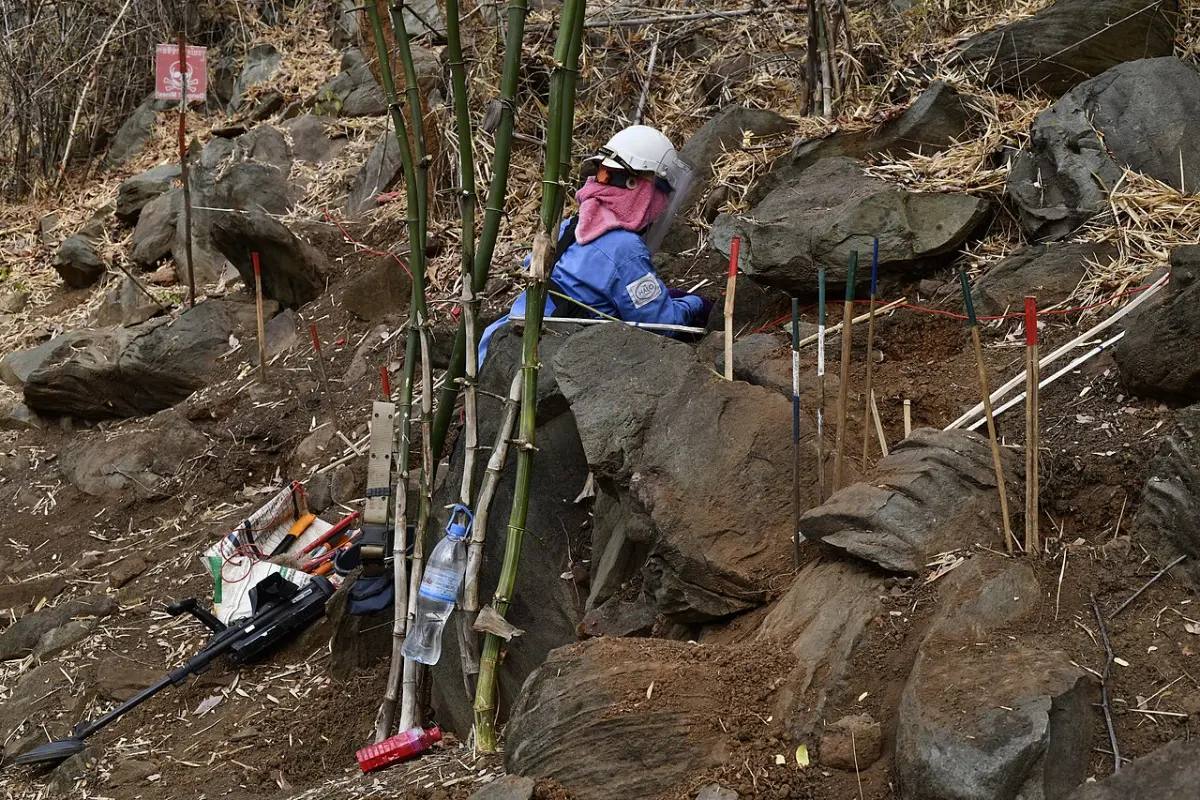
Meet the HeroRATs of APOPO and their handlers: featherweight mine-detection rats returning Cambodia’s fields to its farmers, one square metre at a time. An hour that reframes everything you’ve seen. The Kingdom isn’t just ancient; it’s rising.
In pictures
Photos: 1 Mx. Granger, CC0 · 2 Thukuk, CC BY-SA 4.0 · 3 Thukuk, CC BY-SA 4.0 · 4 kyle simourd, CC BY 2.0 · 5 TheHeroAntagon1st, CC BY-SA 4.0 · 6 Gary Todd, CC0 · 7 Uhooep, CC BY-SA 4.0
The story
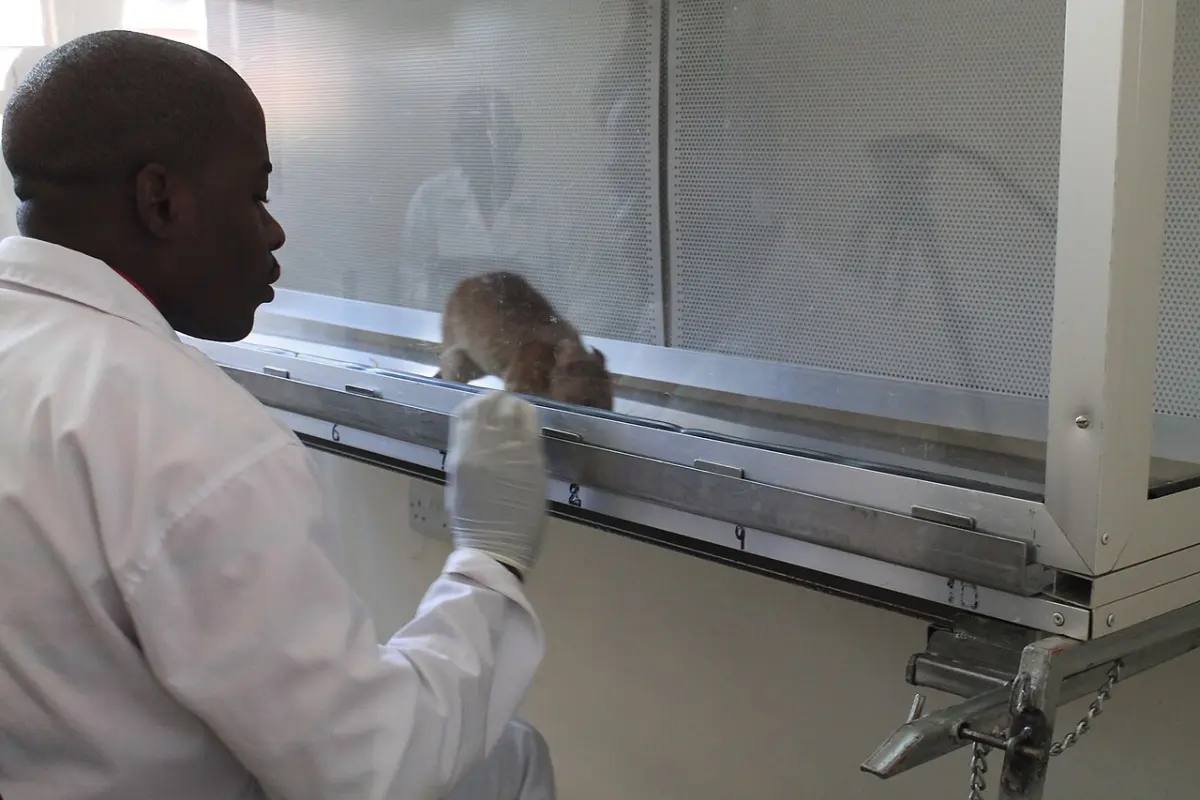
APOPO began in Belgium in 1997, founded by Bart Weetjens and Christophe Cox. Its name is a Dutch acronym for anti-personnel landmine detection product development, and its idea was an unlikely one: African giant pouched rats. Born and trained at APOPO’s centre in Morogoro, Tanzania, the rats weigh one to one and a half kilos, too light to set off a mine. They learn to smell explosives such as TNT and to ignore scrap metal, so a single rat can search an area the size of a tennis court in about twenty minutes. A deminer with a metal detector can take up to four days.
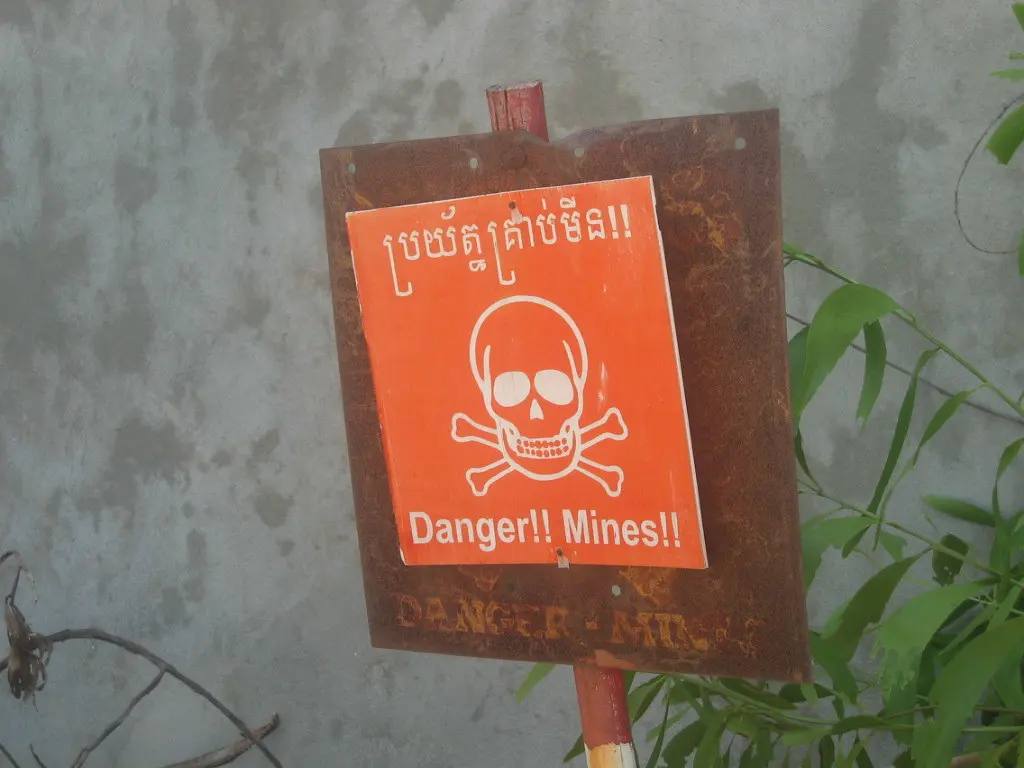
Cambodia needs them. Nearly three decades of conflict, from 1970 to 1998, left an estimated four to six million landmines and other unexploded munitions in its soil. In March 2025, 1,697 square kilometres were still contaminated, and the country is working to be mine-free by the end of 2030. APOPO began here in 2014 with the Cambodian Mine Action Center, and its rats went to work on live minefields in 2016. In its first ten years, the Cambodia programme destroyed 2,669 anti-personnel mines, 18 anti-tank mines, 946 cluster munitions and 2,441 other unexploded items, and it has returned more than 40 square kilometres of land to the people who farm and live on it.
The most famous HeroRAT was Magawa. Working in Siem Reap from 2016, he found 71 landmines and 38 other explosives and helped clear more than 225,000 square metres. In 2020 he became the first rat in the PDSA’s 77-year history to receive its Gold Medal for life-saving bravery. He retired in June 2021 and died in January 2022, aged eight. Since April 2026, a 2.2-metre stone statue of him has stood on the Siem Reap riverfront, close to the Visitor Center.
Itinerary
Step into APOPO’s Visitor Center in Siem Reap and meet the team.
A guided introduction to landmines, Cambodia’s recent history and APOPO’s work: how the rats are bred and trained in Tanzania, and how they work alongside human deminers in the field.
Watch a HeroRAT work a simulated minefield live, nose to the ground, square metre by square metre. When it finds the scent of explosive it signals, and its trainer rewards it.
Meet the rats and their trainers up close, and hold a HeroRAT yourself.
Hear how this work returns Cambodia’s fields to its farmers, and see the temples you visited in a new light.
Before you leave
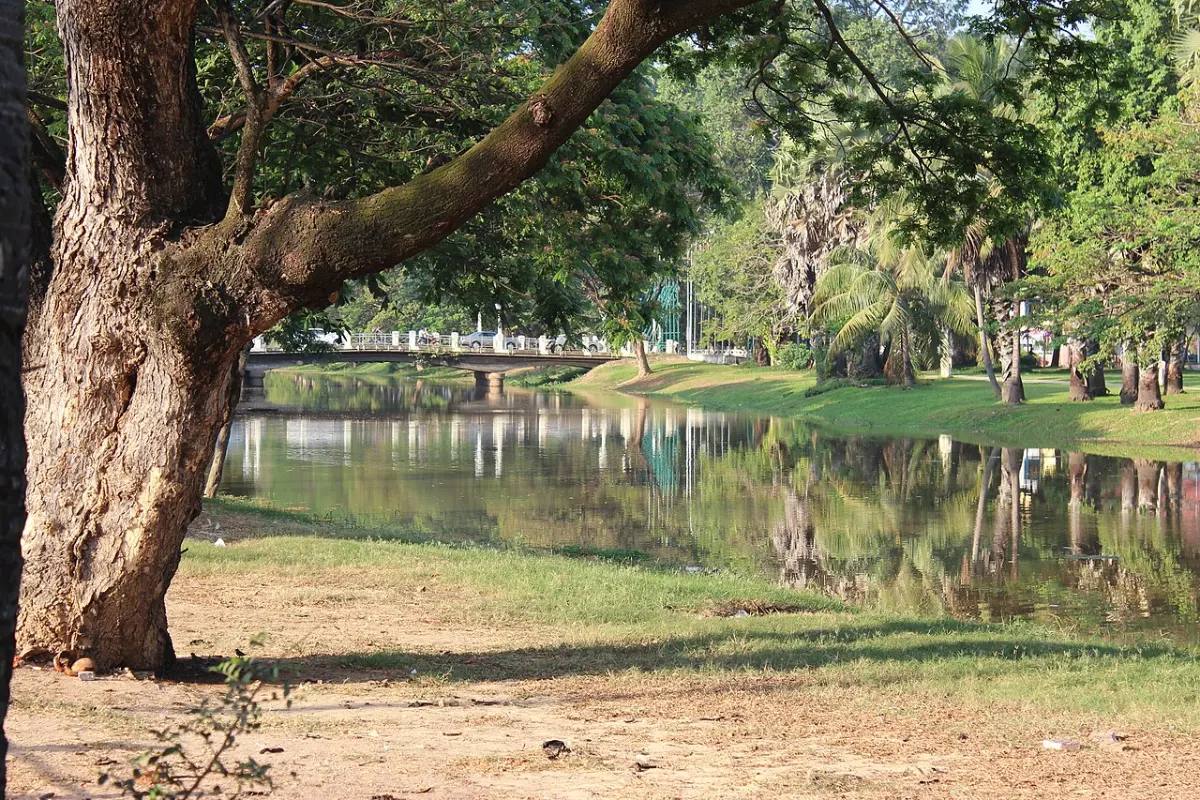
Close by on the riverfront stands the 2.2-metre stone statue of Magawa, unveiled in April 2026.
Plan your trip
Before you go
No. A HeroRAT weighs between one and one and a half kilos, too light to trigger a landmine. It finds the scent of explosive and signals, and human deminers do the rest.
Yes. Visitors can hold a HeroRAT during the visit.
About an hour, which makes it easy to fit around a morning at the temples.
Over nine to twelve months of training, it learns to pick out the smell of explosives such as TNT and to ignore scrap metal, which is what slows a metal detector down.
In parts, yes. In March 2025, 1,697 square kilometres were still contaminated, and Cambodia is working to be mine-free by the end of 2030.
He is the most famous. In 2025 another HeroRAT, Ronin, set a Guinness World Records title by finding 109 landmines and 15 other explosives.
Arranged around you
Every One Journey experience in Cambodia is private. Tell us your dates and who is travelling, and we will arrange it around you.
or write to [email protected]
Or make it part of the whole journey: A Tale of Two Cities with Raffles
More of the Kingdom’s day
Sunrise · The temples
Before the world wakes, the Kingdom belongs to you.
Midday · The forest
At noon, the Kingdom’s oldest souls take to the shade.
Night · The table
As the lamps come on, Cambodia’s greatest storyteller is in the kitchen.