Night · The table
Market & Table with Chef Nak
As the lamps come on, Cambodia’s greatest storyteller is in the kitchen.
- Phnom Penh
- Evening
- Private
The morning belongs to the boulevards.
The experience
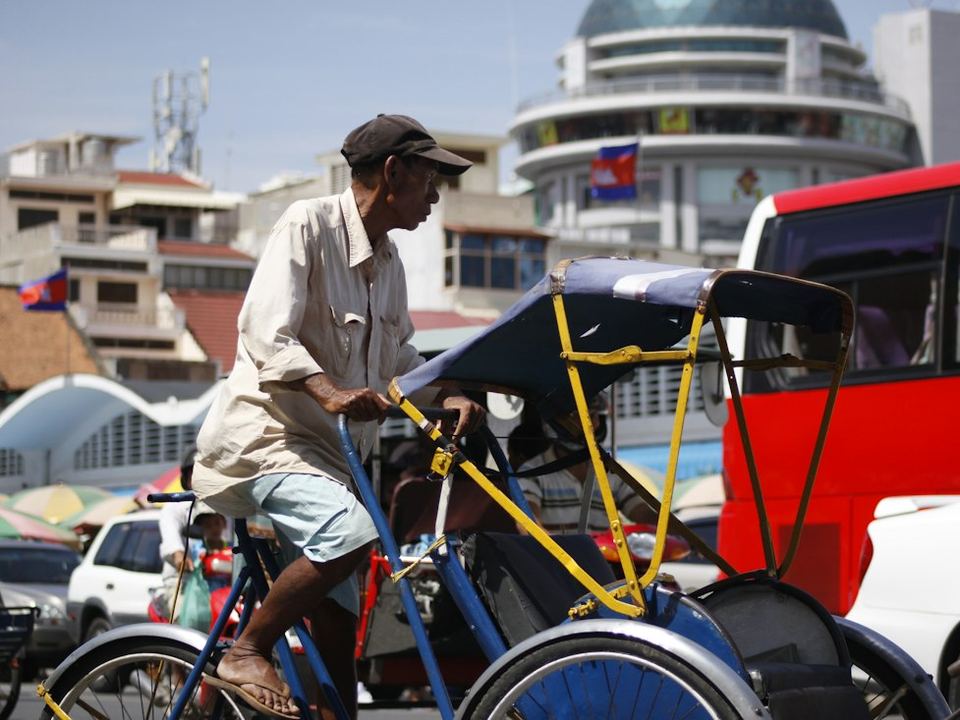
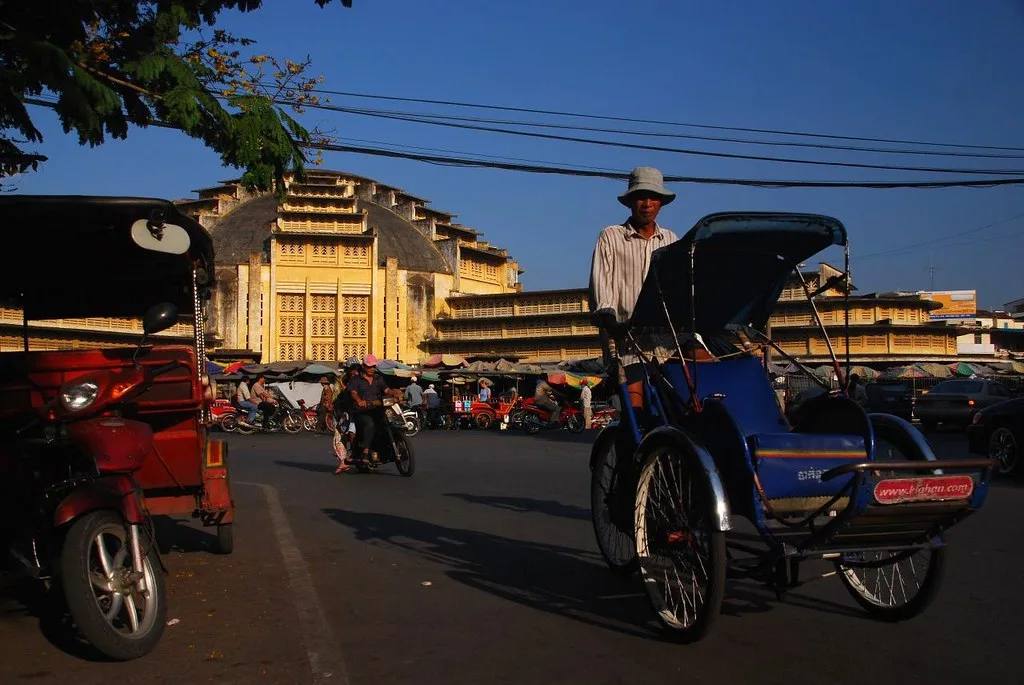
Board a cyclo, the gentleman’s carriage of old Indochina, and let Phnom Penh unfold at pedalling pace. Your guides are the city’s own architecture students and graduates, reading their capital the way only its next generation of builders can.
In pictures
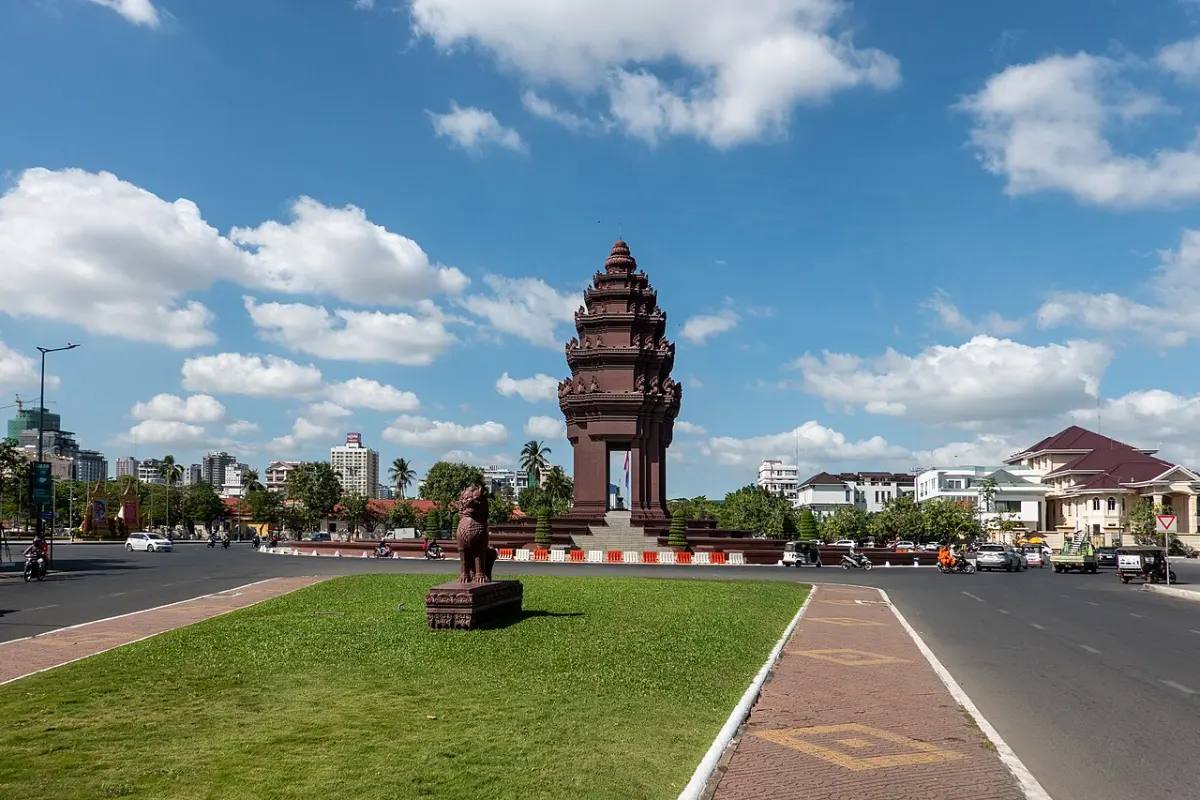
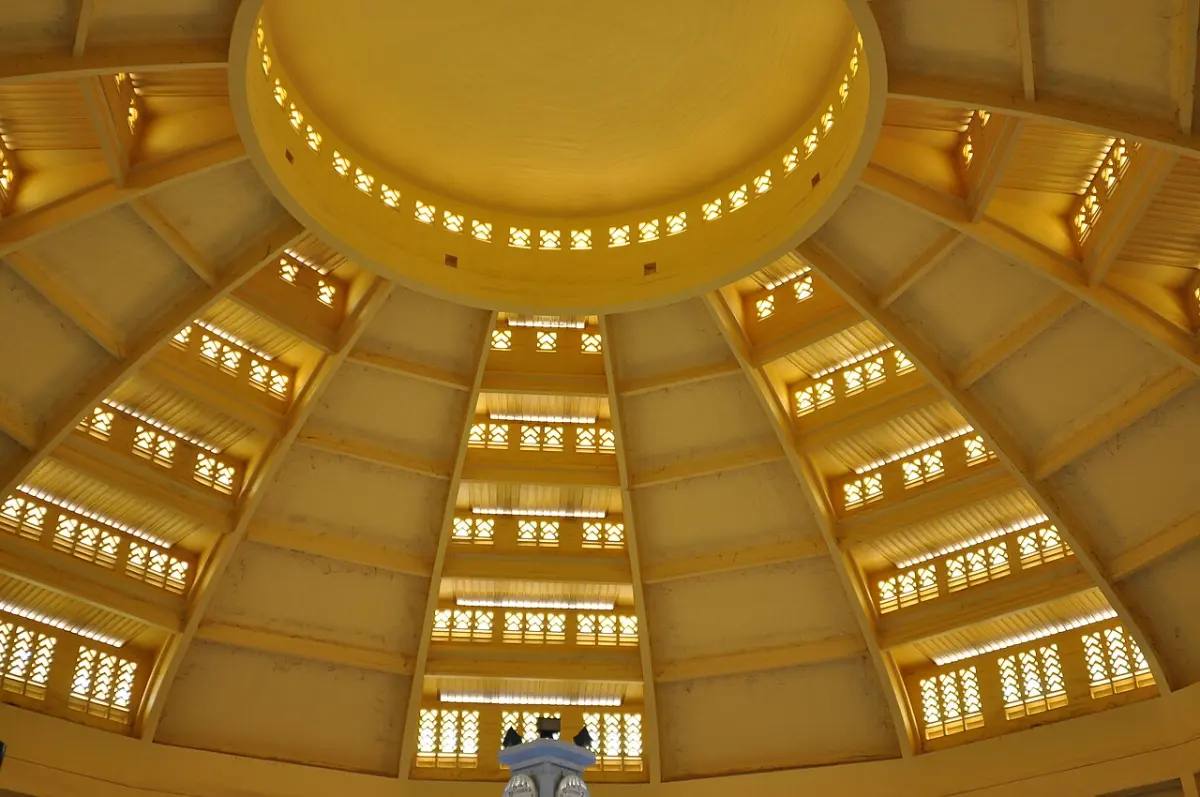
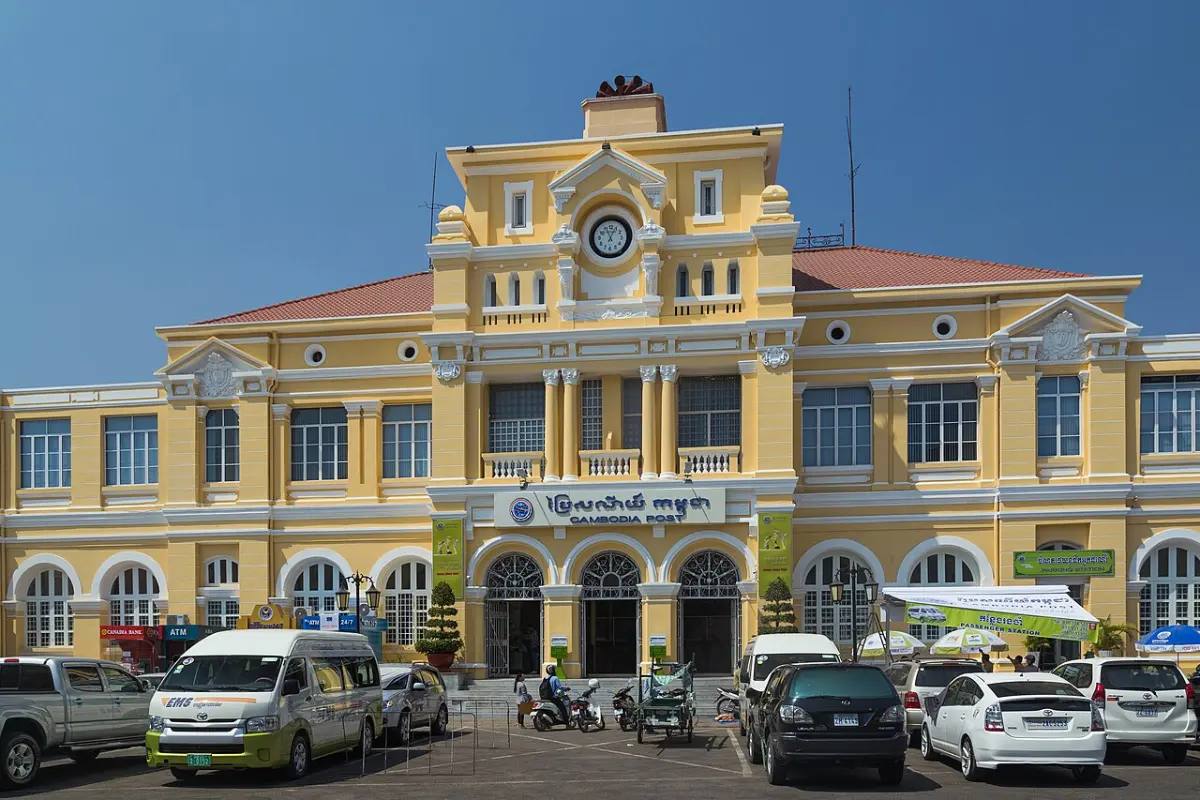
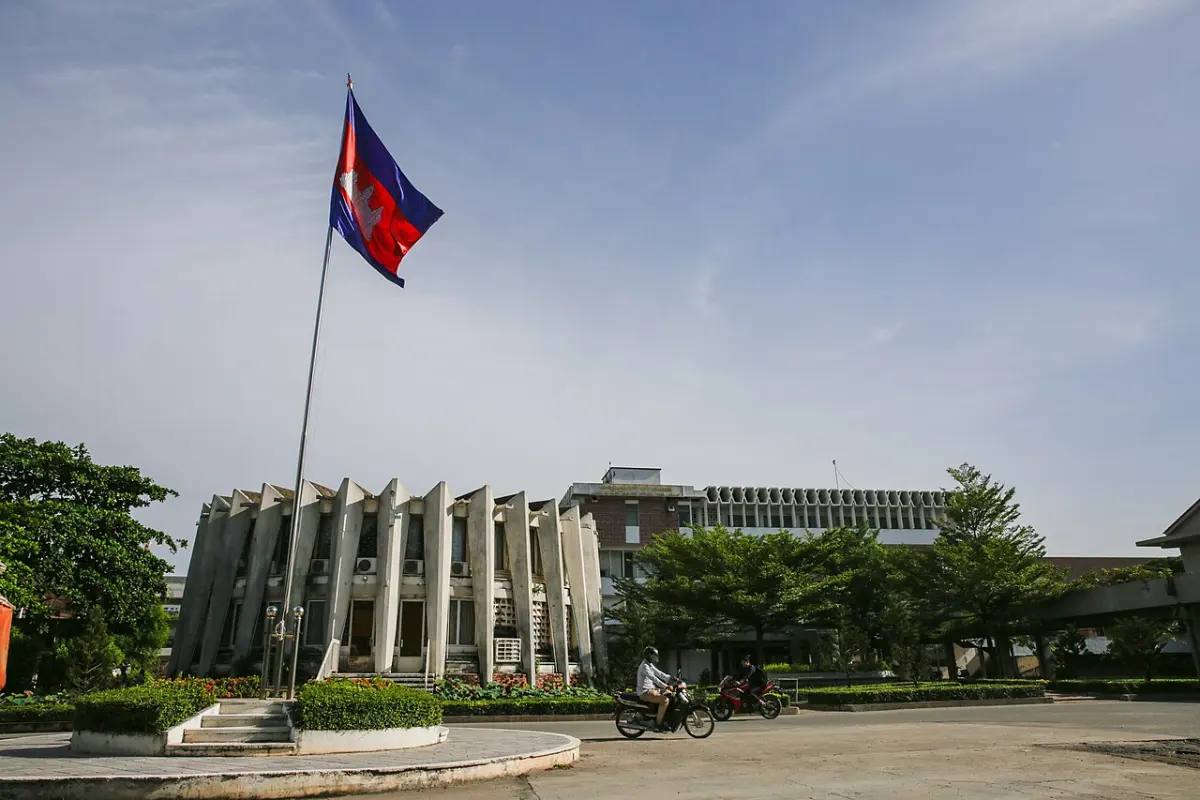
Photos: 1 magical-world, CC BY-SA 2.0 · 2 Marcin Konsek, CC BY-SA 4.0 · 3 Marcin Konsek, CC BY-SA 4.0 · 4 Jakub Hałun, CC BY-SA 4.0 · 5 PsamatheM, CC BY-SA 4.0 · 6 shankar s., CC BY 2.0 · 7 Marcin Konsek, CC BY-SA 4.0 · 8 Nov Povleakhena, Public domain
The story
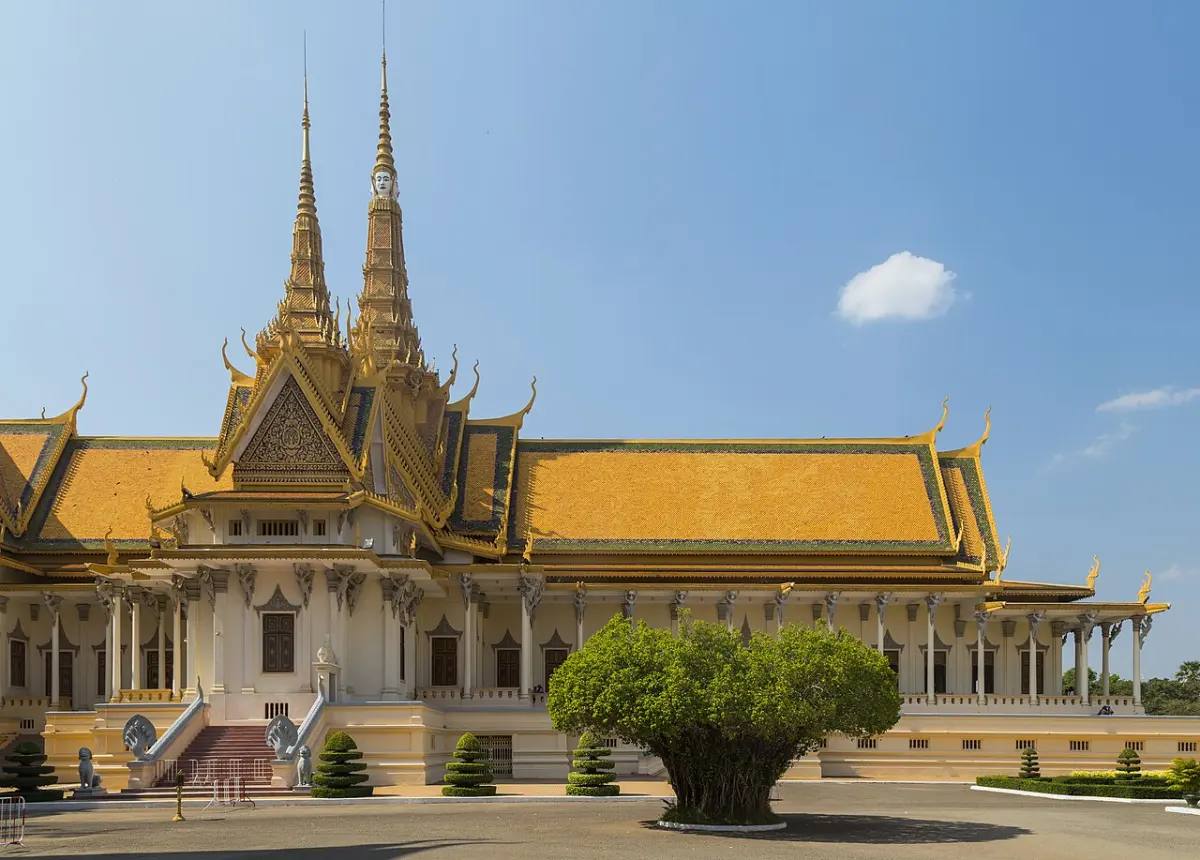
Phnom Penh was built in layers. King Norodom moved his court here from Oudong and raised the Royal Palace between 1866 and 1870, facing east over the Chaktomuk, where the Mekong, the Tonlé Sap and the Bassac meet. The French followed with boulevards, villas and shophouses, the neoclassical Central Post Office of 1895 and the Art Deco Central Market, opened in 1937 beneath a 26-metre dome.
Then came independence in 1953, and a burst of building now remembered as the golden age. For seventeen years, Cambodian architects, with Vann Molyvann at their head, joined the Modern movement to Angkorian and village tradition. They lifted buildings onto columns, doubled walls and roofs against the heat, and wrapped them in openwork claustra screens so the breeze could pass through. Molyvann alone designed more than a hundred buildings, among them the Independence Monument, the Chaktomuk Conference Hall and the National Sports Complex, whose stands are perforated to let the air move.
Not all of it survived. The White Building, a 1963 housing block by Lu Ban Hap and Vladimir Bodiansky, came down in 2017. The architecture students and graduates who guide this morning study these buildings, and they read them as the city’s next generation of builders: why a roof floats above its walls, where the shade falls, what has been lost.
Itinerary
Meet your guides and settle into a cyclo, the gentleman’s carriage of old Indochina. The French brought them to Phnom Penh in the 1930s, and about three hundred still work the city. You ride up front with the driver pedalling behind, which makes it the best seat in town for looking up at buildings.
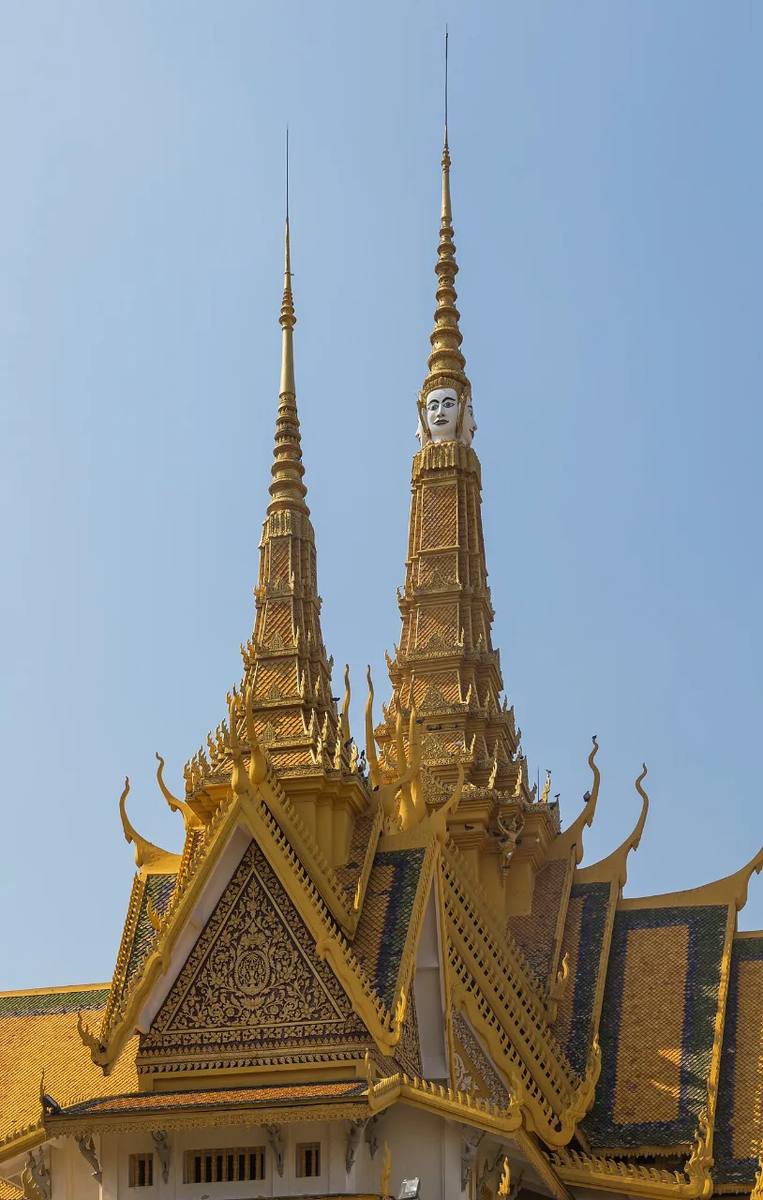
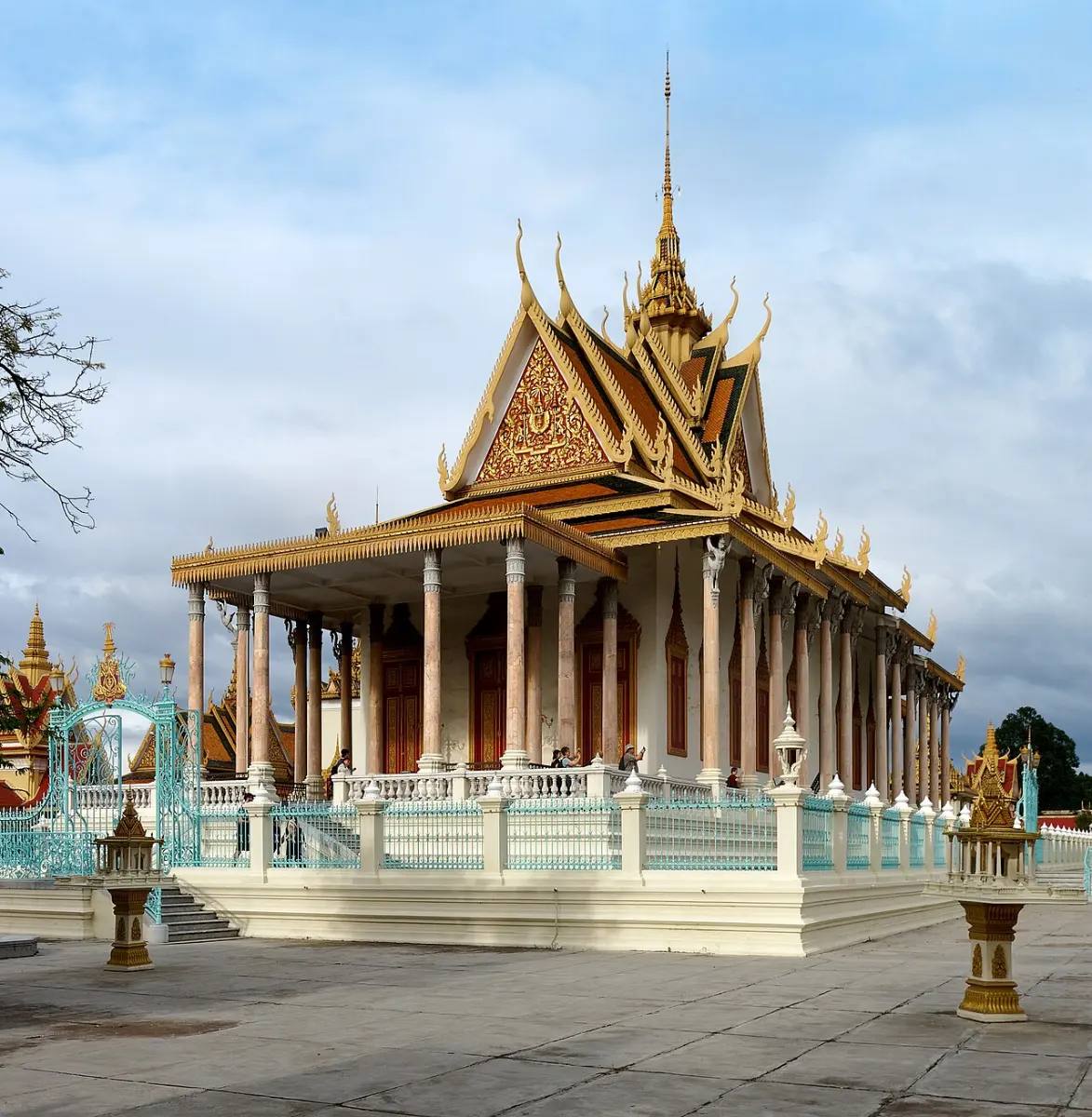
Along the riverfront to the Royal Palace, where the 59-metre spire of the Throne Hall rises above the walls, crowned with the four faces of Brahma. Behind them, the Silver Pagoda is floored with more than 5,000 silver tiles.
Vann Molyvann’s hall of 1961 opens like a fan. Its plan comes from a palm leaf and its gables from the roofs of the Royal Palace, a short walk along the riverfront.
Molyvann’s lotus-shaped stupa, built in 1958 and inaugurated in 1962, borrows the form of an Angkorian temple tower to mark the end of French rule.
North along the boulevards to the Central Market, the Art Deco dome designed by city architect Jean Desbois, then the Central Post Office of 1895 and Hotel Le Royal, opened in 1929 to designs by Ernest Hébrard and home to the first nights of our Grand Journey. On the way, your guides point out the shophouse details most people pass without seeing.
A typical route. Your guides shape it to the morning and to whatever catches your eye.
Plan your trip
Before you go
Cambodian architecture students and graduates. They study these buildings, and they read the city as the people who will build its next chapter.
The cyclo route passes the palace walls. If you would like to see the Throne Hall and the Silver Pagoda up close, tell us and we will build in the time. Shoulders and knees must be covered inside.
Yes. The National Sports Complex of 1964 and the Institute of Foreign Languages of 1972, with its classrooms in louvred pods on angled columns, lie further out. Tell us and we will add them to your morning.
It is an unhurried way to travel. You sit up front while the driver pedals behind you, with nothing between you and the street.
Yes. The cyclo morning and an evening at Chef Nak’s table make a natural pair.
Any morning, before the heat builds. November to February brings the driest, coolest weather.
Arranged around you
Every One Journey experience in Cambodia is private. Tell us your dates and who is travelling, and we will arrange it around you.
or write to [email protected]
Or make it part of the whole journey: A Tale of Two Cities with Raffles
More of the Kingdom’s day
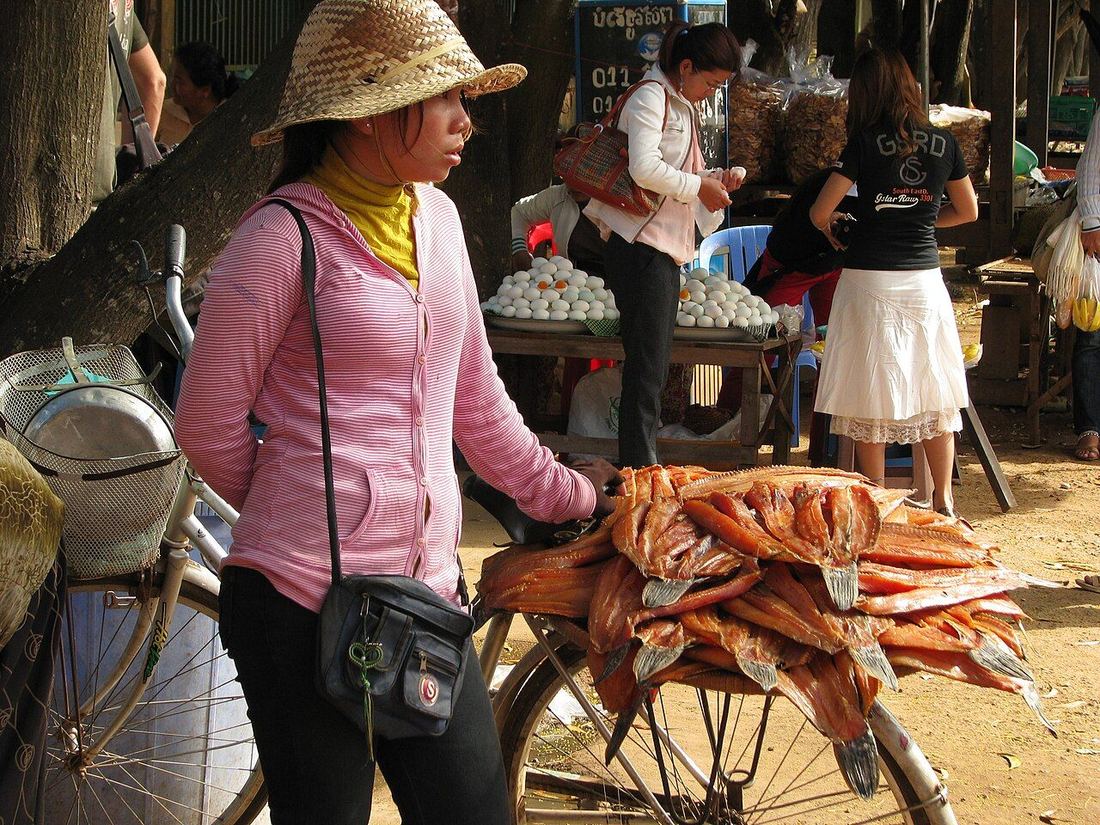
Night · The table
As the lamps come on, Cambodia’s greatest storyteller is in the kitchen.
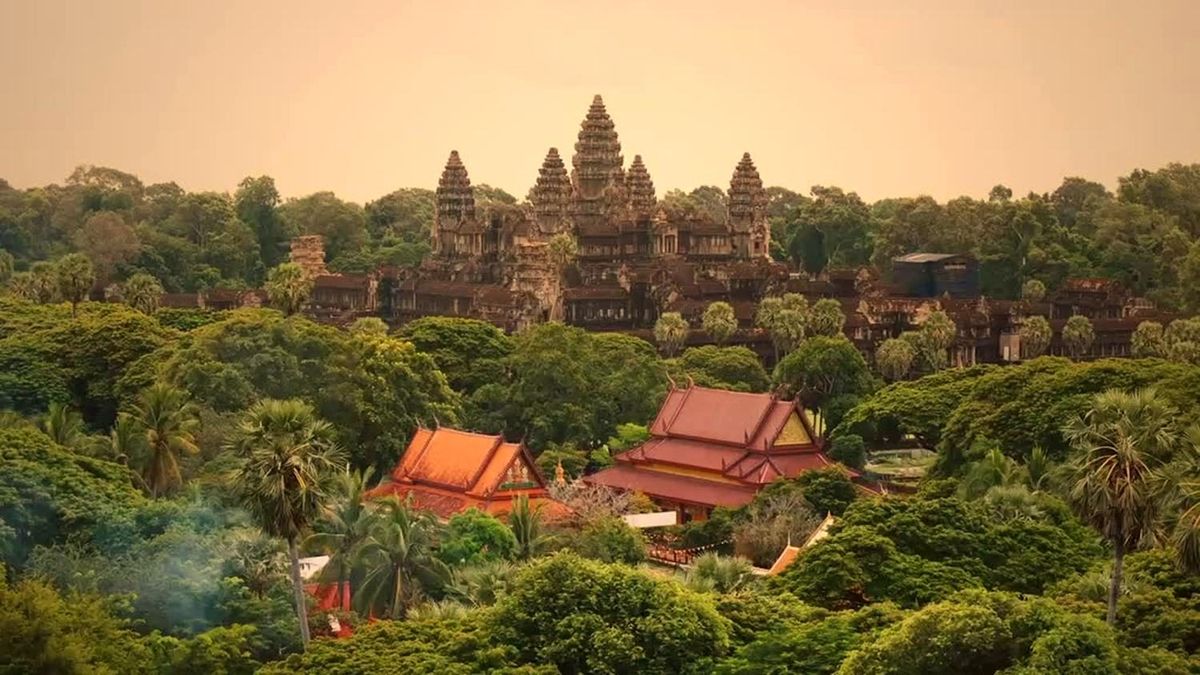
Sunrise · The temples
Before the world wakes, the Kingdom belongs to you.
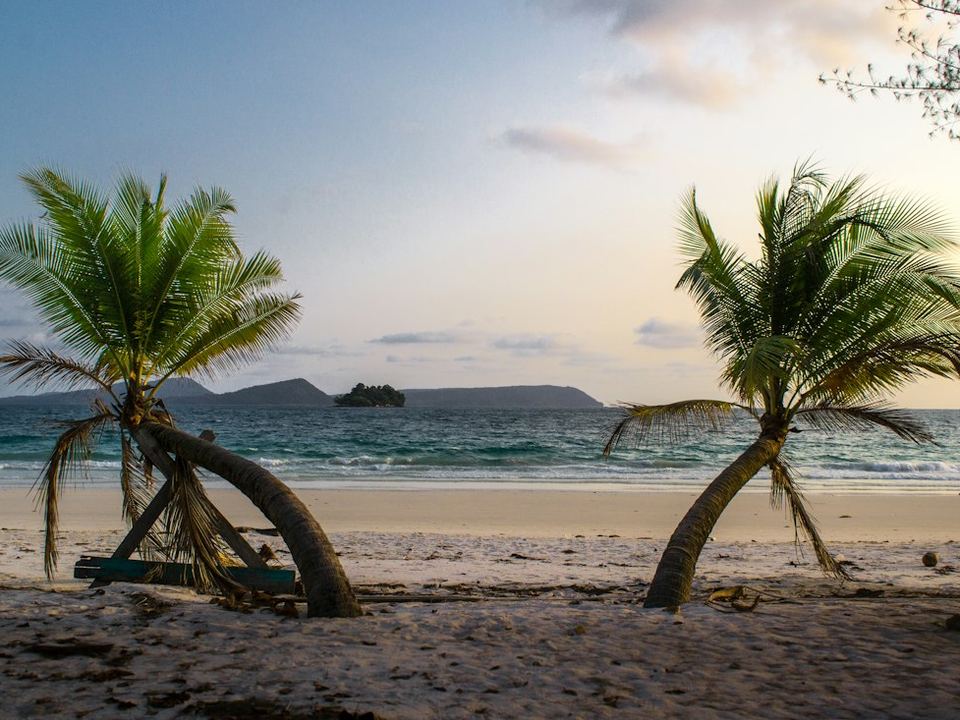
Golden hour · The islands
The sun goes down slowly over the Gulf of Thailand.