Why the Eiffel Tower Elevator Closes (Weather, Safety & Engineering)
The Eiffel Tower’s elevators are one of the great engineering stories of Paris - moving millions of people a year through 330 meters of 19th‑century ironwork. They also close more often than most travelers expect. Sometimes it is just one pillar, sometimes only the summit lift, sometimes the entire elevator system. Understanding why those closures happen - and what you can realistically plan for - turns a frustrating surprise into part of the experience.
How the Eiffel Tower elevators actually work
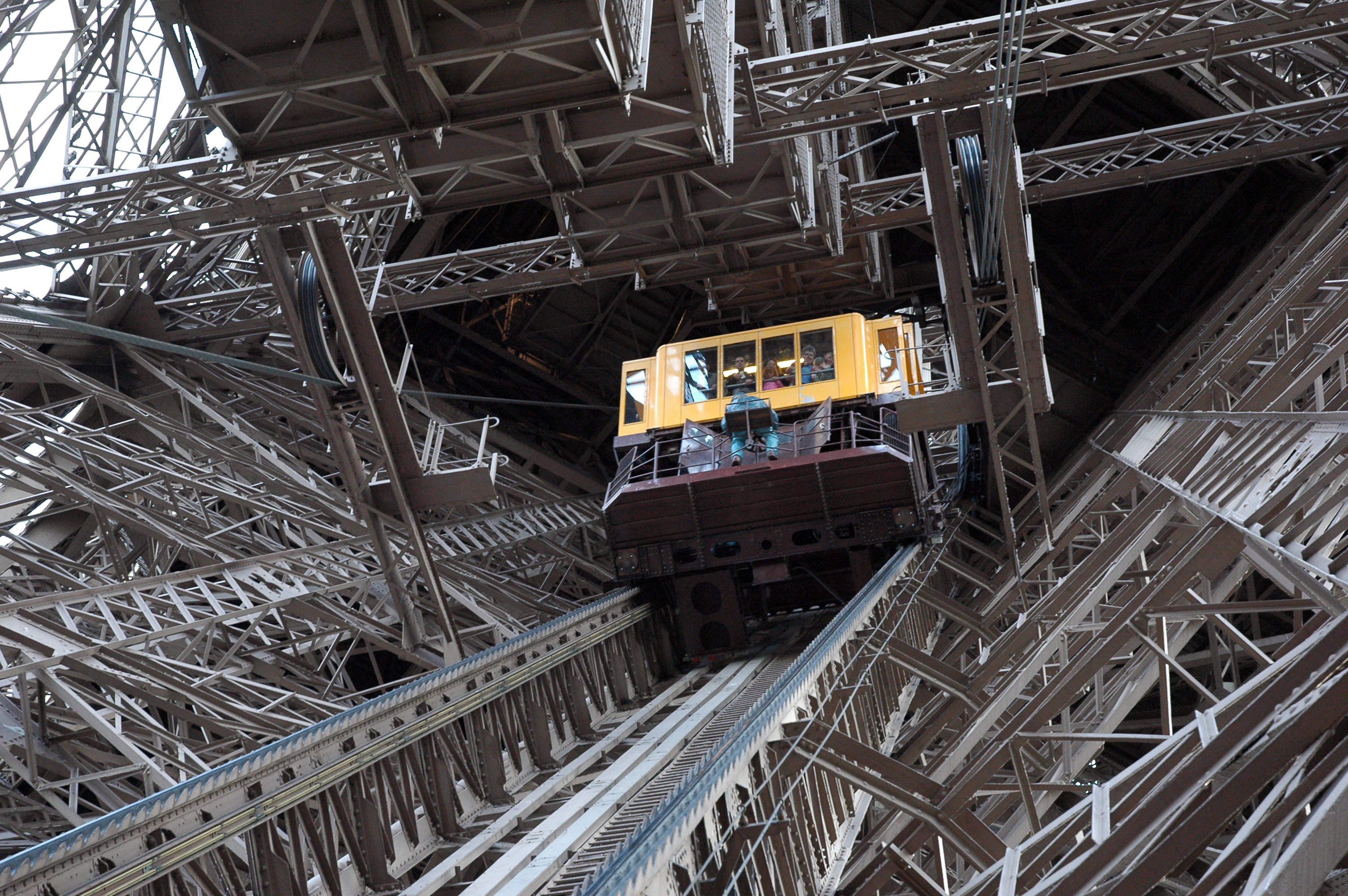
When the tower opened for the 1889 Exposition Universelle, it was already a vertical laboratory. Five hydraulic elevators carried visitors up the legs, and a spectacular “Edoux” system with 80‑meter jacks linked the second floor to the top. Today, the basic logic is the same but the machinery has evolved: electric and hydraulic systems now power double‑deck cars from the North, East, and West pillars to the second floor, and a compact summit elevator runs inside the narrowing iron at the top.
The layout is deliberately redundant. If one pillar elevator is down, the others can keep visitors moving. A separate freight lift in the South pillar handles supplies and technical teams, and staircases remain available when conditions allow. This redundancy is why you will often see partial closures (for example, “Summit closed, 2nd floor open by lift”) rather than a full shutdown of the entire monument.
Main reasons the Eiffel Tower elevators close
Closures almost always come down to the same priorities that guided Gustave Eiffel’s original team: structural limits, mechanical safety, and crowd control. The tower itself is designed to flex and to withstand extreme conditions; the elevators must operate within much narrower margins.
At a glance: why your elevator might be closed
- Weather risk: wind, storms, ice, or heat stressing the machinery.
- Mechanical work: repairs, inspections, or replacing worn parts.
- Safety or security: incidents, evacuations, or national alerts.
- Staffing & strikes: industrial action or reduced crews.
- Overcrowding: flow limits on platforms and waiting areas.
Weather: the most common cause
The Eiffel Tower is a free‑standing wrought‑iron structure. In strong winds it can sway several centimeters; in extreme heat the metal expands; in winter, ice can form on exposed surfaces. None of this is dangerous for the tower itself, but it changes what is considered safe for lifts.
When gusts on the upper platforms become too strong or gusty, the summit elevator is often the first to close. In storms with lightning, operations may pause altogether until cells pass, because the tower acts as a lightning conductor. In freezing rain or snow, teams have to check for ice on elevator rails, sheaves, and doors; cars may run more slowly or be taken out of service while crews de‑ice equipment.
What usually stays open in bad weather?
- The lower floors and platforms, whenever conditions allow it.
- At least one pillar elevator, if wind and ice limits are not exceeded.
- The stairs between the ground and second floor, when it is safe underfoot.
Engineering limits & preventative maintenance
The tower’s current systems are the result of more than a century of iteration - from the original Otis and Roux‑Combaluzier designs, through the Edoux summit lift, to today’s electronically monitored hydraulic and electric drives. Many original components are still in place in the West pillar and are protected as historic machinery.
To keep that heritage working under 21st‑century loads, the operating company schedules regular shutdowns for detailed inspections, oil and cable changes, and modernization projects - such as the multi‑year overhaul of the West elevator and the recent renovation of the North pillar system. These windows are chosen outside the busiest hours whenever possible, but on high‑traffic days you may find one pillar closed for maintenance while the others absorb the demand.
Safety, security & human factors
Beyond weather and mechanics, the elevators are also subject to broader safety rules. A medical emergency, a false alarm, an object dropped onto the machinery, or a security alert can trigger temporary elevator closures while teams investigate. Large national events, demonstrations, or heightened security periods can also lead to tightening capacity and access up the tower.
From time to time, industrial action in Paris affects the tower. In those cases, you might see all elevators closed but the monument technically “open,” with only part of the staff on site. Stairs may remain available, but access can be capped if platforms are close to their safe limits.
Planning around possible elevator closures
You cannot control the weather or last‑minute technical issues, but you can stack things in your favor with a few small decisions.
- Book an early or late slot: morning and later‑evening entries are less likely to see heat‑related slowdowns and often have shorter re‑opening delays after overnight checks.
- Check same‑day status: the official Eiffel Tower website and on‑site boards show which floors and elevators are open in real time.
- Be flexible on the summit: if the top is closed, the second floor still offers sweeping views and usually remains accessible by lift.
- Be ready to use the stairs: if you are fit enough, stair access can be a way to salvage a visit when elevators are limited.
- Allow buffer time: avoid scheduling tight connections right after your visit in case operations slow or pause temporarily.
From 19th‑century experiment to modern icon
When Maurice Koechlin and Émile Nouguier first sketched their 300‑meter pylon, the elevator challenge was as radical as the tower’s height. The early hydraulic systems, refined by engineer Léon Edoux, were cutting‑edge examples of industrial design and helped convince skeptics that such a tall free‑standing structure could be practical, not just symbolic.
Over time, the lifts have evolved from water‑powered giants to computer‑controlled systems using eco‑friendly hydraulic fluids and more efficient motors. The core idea, though, has not changed: the elevators are part of the tower’s personality, not an afterthought. Riding them is a way of tracing the history of engineering from the 1889 World’s Fair to the present.
Frequently asked questions from travelers
Does the Eiffel Tower itself ever close because of wind?
Complete closures of the entire tower are rare. It is much more common for the summit elevator to close while the first and second floors remain open, or for one pillar elevator to be taken out of service while the others continue operating within safe limits.
Will my ticket be refunded if the summit elevator closes?
Policies depend on how and where you booked. The operating company and most reputable partners will either rebook you or adjust prices if the summit is closed while lower levels remain open, but this is usually handled on the day according to official status boards and conditions.
Is it safer to take the stairs than the elevator in bad weather?
No access - stairs or elevators - is allowed if conditions are judged unsafe. When stairs are open, they have already been assessed for wind and surface conditions. Elevator closures in poor weather are about respecting the specific limits of the machinery, not about the tower being structurally at risk.
Are the elevators still “original” from 1889?
Some 19th‑century components, especially in the West pillar, are preserved and maintained as historic machinery, but the systems you ride today blend that heritage with modern safety standards, electronics, and updated drives. In spirit, they are the same elevators that astonished visitors at the 1889 fair - just continually refined.
For tailored advice on planning around possible elevator closures, choosing the right time slot, or combining your Tower visit with other Paris highlights, contact our Tour Concierge at [email protected].