Tour de France Grand Finale in Paris: Where & When to Watch
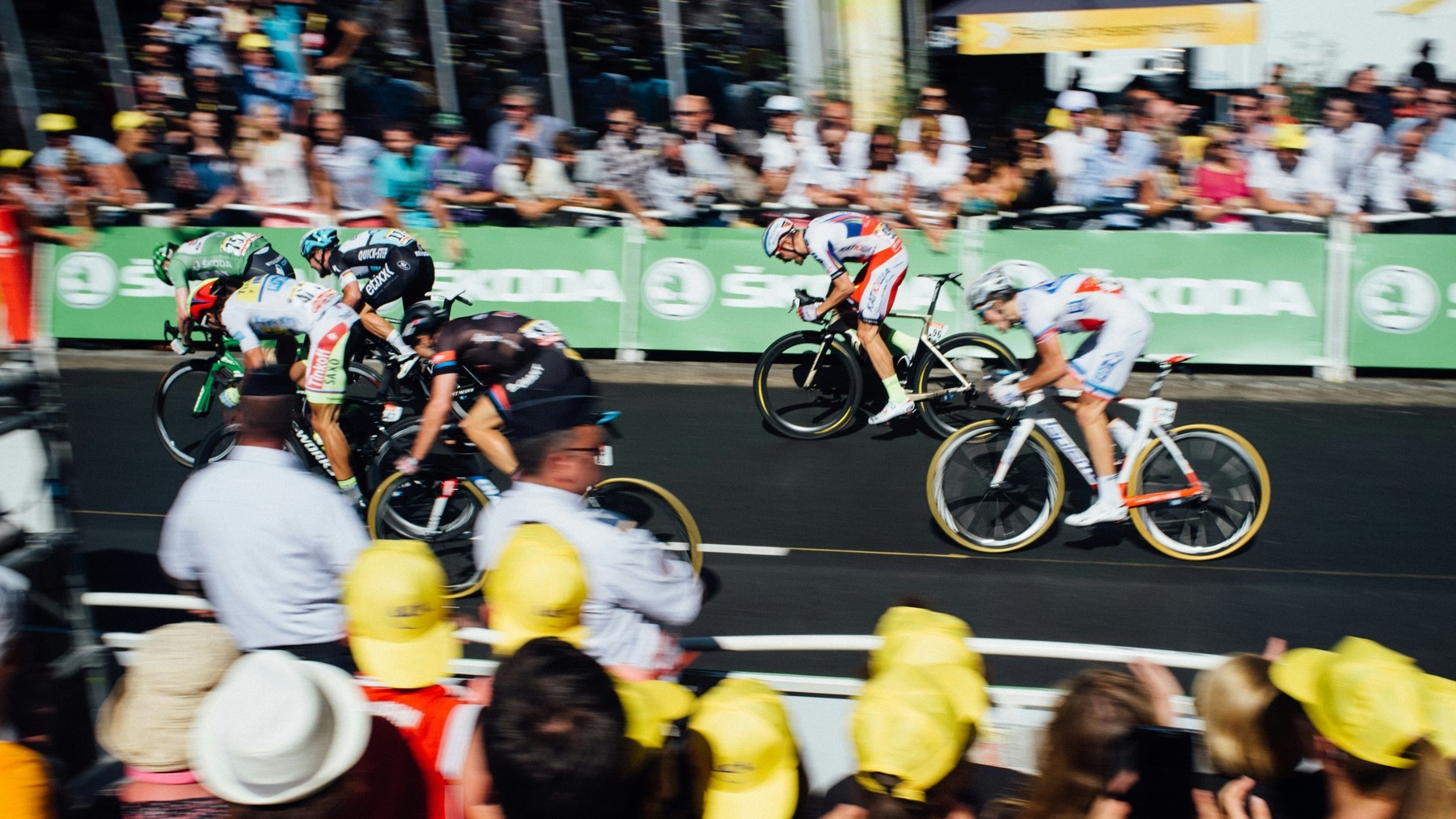
For three weeks each July, the Tour de France winds its way across mountains, vineyards, and villages before arriving where it always ends: Paris. The final stage is part race, part celebration - the general classification is usually all but decided, and the riders sweep into the capital for laps of a city-centre circuit that now includes three climbs of Montmartre before a furious final sprint. In 2026, the world's greatest bike race reaches its conclusion on Sunday, 26 July, and for a few hours the heart of Paris becomes a free, open-air grandstand. It is also the first Tour since the 2026 Grand Départ started in Barcelona, rather than in France.
It is one of the most accessible big-ticket events of the Parisian summer - no booking, no entry fee, just the city's most famous avenue and a few hundred thousand spectators. But it is also a day of heavy road and Métro closures, so a little planning makes the difference between a great vantage point and a frustrating afternoon. Here is how to do it well.
The finale at a glance:
- Date: Sunday, 26 July 2026 - the 21st and final stage.
- The key differentiator: Three ascents of the Côte de la Butte Montmartre, with the final climb finishing roughly 10km from the line - a feature returning from 2025.
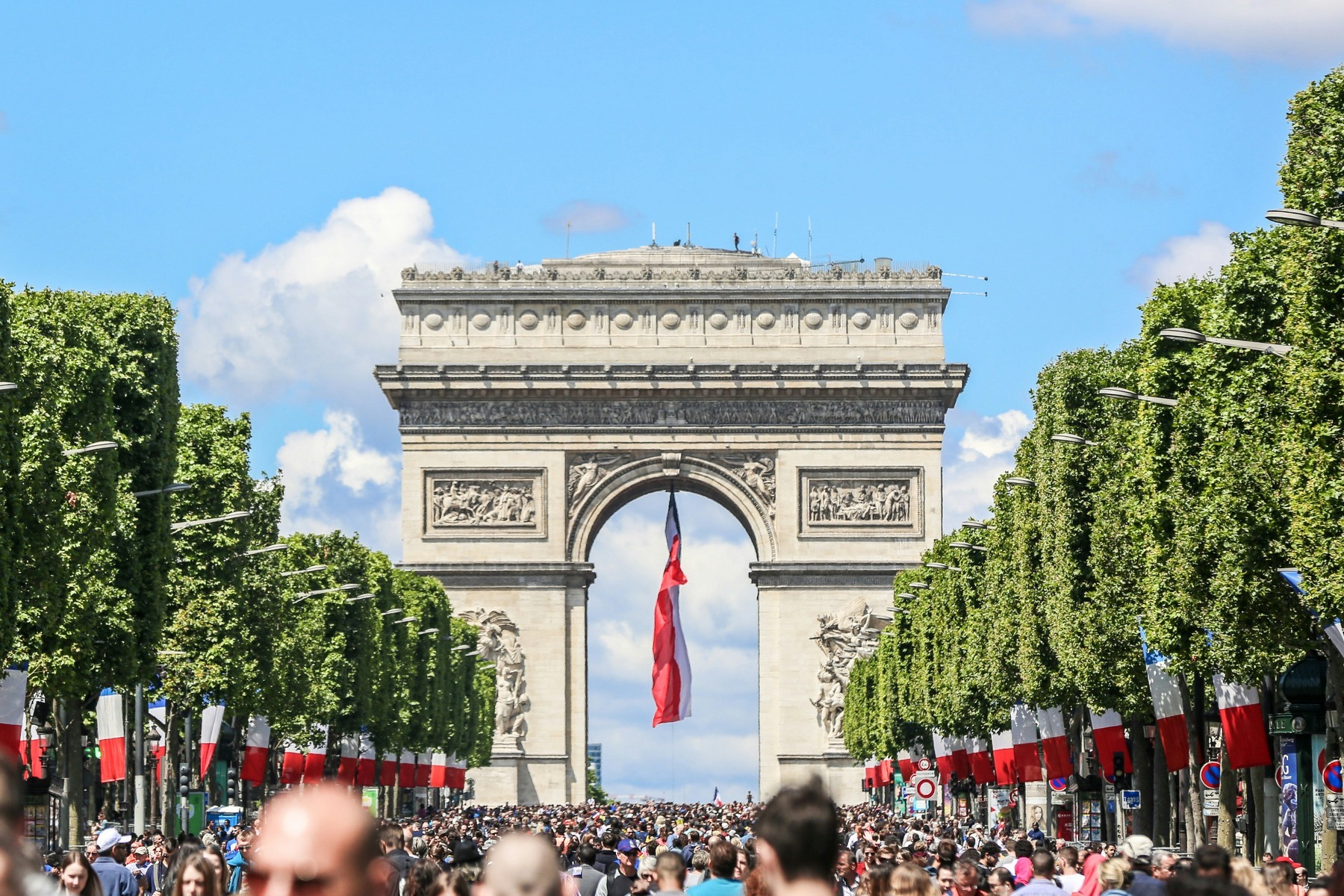
- Where: A finishing circuit in central Paris, with the line on the Champs-Élysées and laps taking in the Arc de Triomphe, the Tuileries, and the Montmartre climb.
- When to arrive: The peloton typically reaches Paris in the late afternoon. Claim a spot in the morning for the prime stretches.
- Cost: Free, with no ticket required to watch from public areas.
The Route: Laps of Central Paris
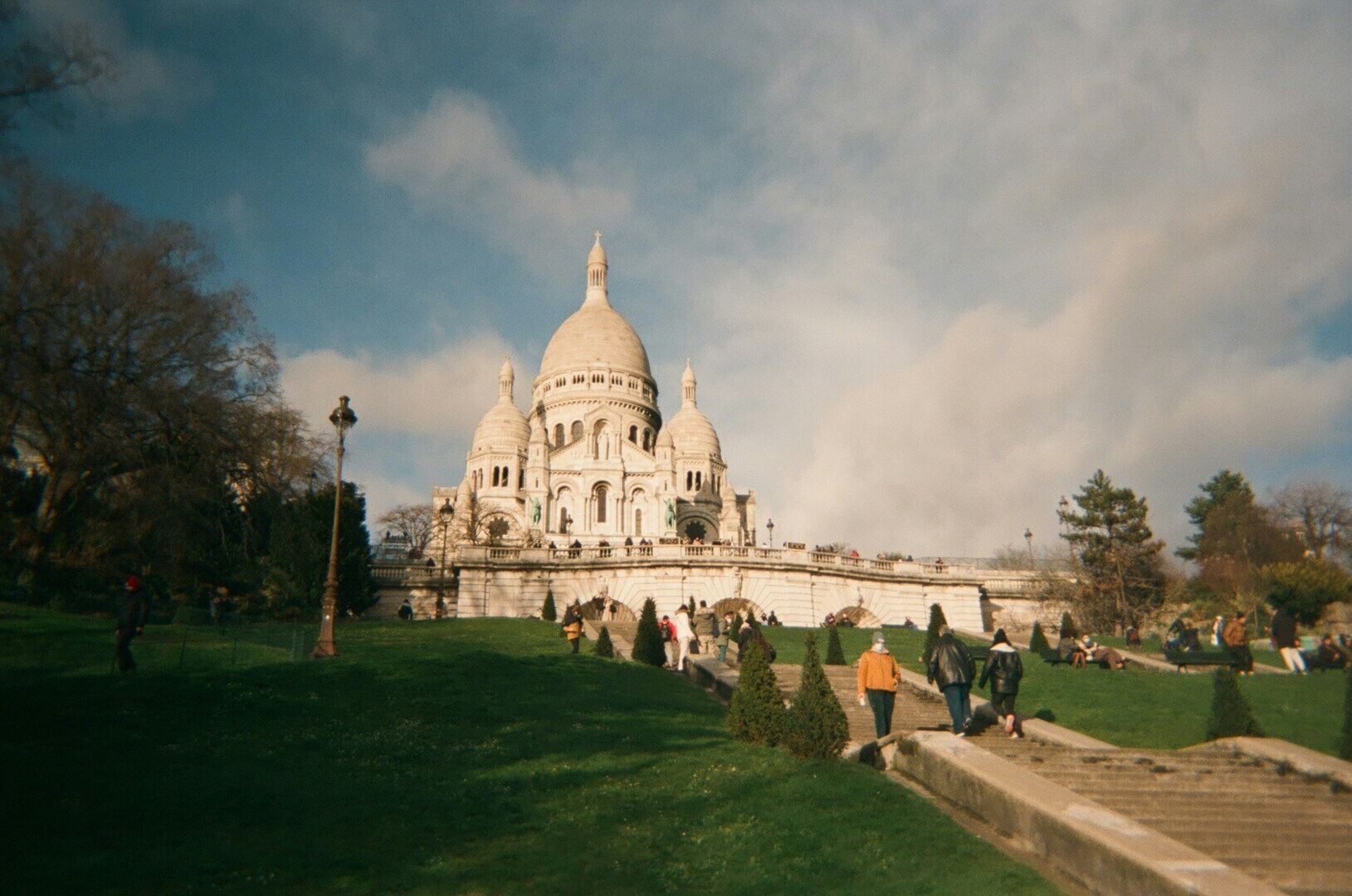
The headline feature of the 2026 finale is the climb of the Côte de la Butte Montmartre - the steep, cobbled rise toward Sacré-Cœur - which the peloton tackles three times before the finish, with the final ascent cresting roughly 10km from the line. Introduced in 2025 to instant acclaim, the Montmartre climb returns in 2026 as the defining feature that sets the Paris finale apart from a simple flat sprint, drawing enormous, raucous crowds onto the hill.
After almost three weeks and thousands of kilometres of racing - this year starting from a Grand Départ in Barcelona rather than France - the riders enter Paris for a finishing circuit they cover several times, combining the three Montmartre ascents with laps up and down the Champs-Élysées, around the Arc de Triomphe, and along the edge of the Tuileries Garden. Because they pass each point on the circuit multiple times, you get several chances to see the race go by from a single spot before the final sprint on the avenue decides the day's stage winner.
Where to Watch the Finish
You can watch from anywhere along the circuit, but the experience varies a lot by location. Spots along the Champs-Élysées offer the iconic backdrop but are hemmed in by barriers and "privatised" sections used for hospitality, so they fill quickly. Quieter vantage points around the Tuileries and the side streets off the avenue often give a better chance of a clear view if you arrive a little later.
Vantage points to consider:
- Champs-Élysées: The classic view of the final sprint, with the Arc de Triomphe behind. The most prestigious - and most crowded - stretch; arrive in the morning.
- Around the Tuileries Garden: Often less packed than the avenue, with room to see the riders complete their laps. A good family-friendly choice.
- Place de la Concorde & approaches: Wide open space where the circuit turns - good sightlines if you get there early.
- Montmartre climb: The most electric atmosphere of the finale, on the cobbled climb tackled three times before the finish - but it draws the biggest crowds and the earliest arrivals.
Timing Your Day
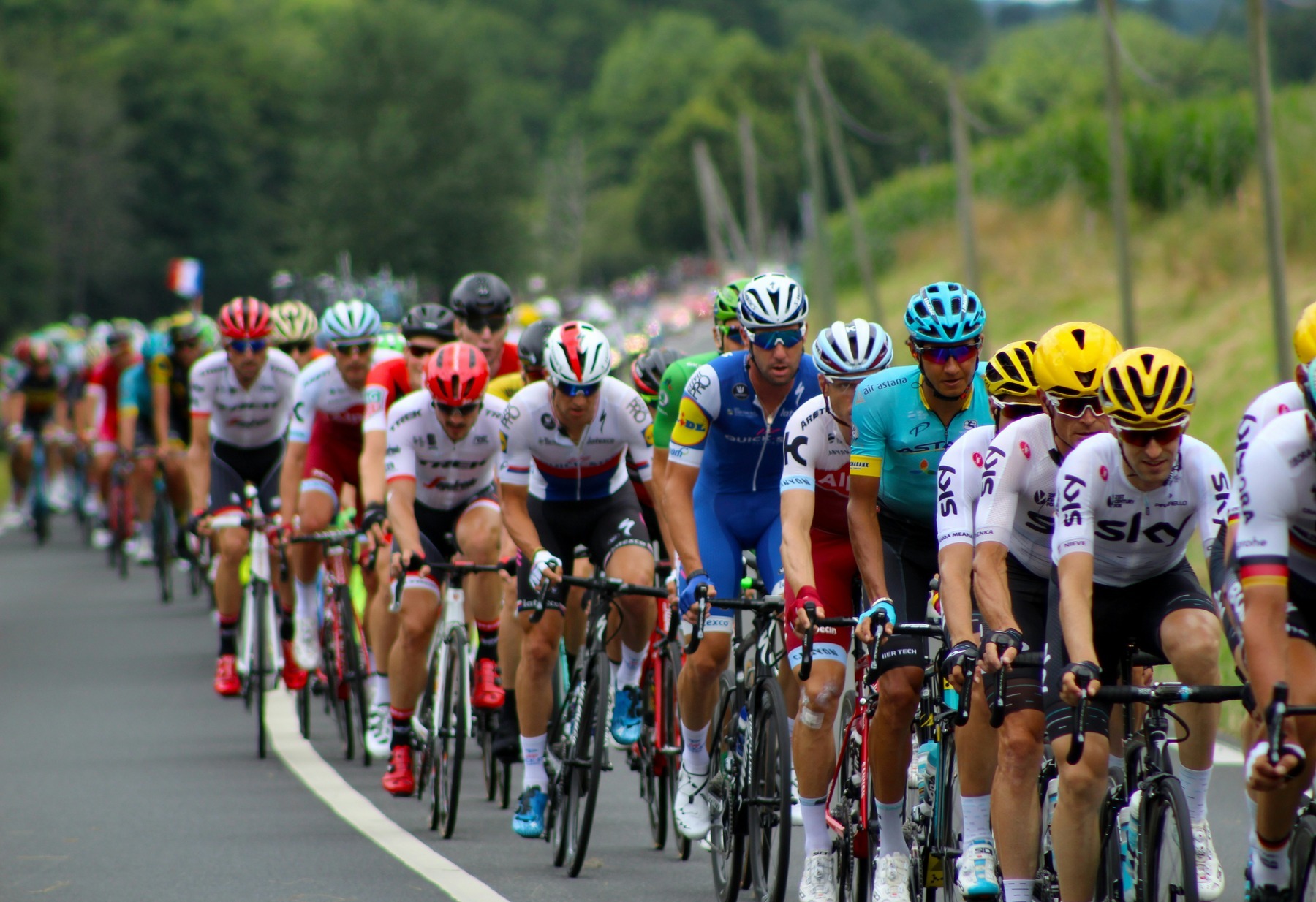
Arrival times in Paris vary from year to year and are hard to predict precisely, but the peloton generally reaches the city in the late afternoon, with the finish following the closing laps. The good news for latecomers is that, because the riders complete several circuits, the spectacle remains worthwhile even if you arrive partway through - you will still catch multiple passes before the sprint.
That said, the best positions along the barriers are taken hours in advance. If a specific view matters to you - the finish line, the Arc de Triomphe, or the Montmartre climb - plan to be in place by late morning, bring water and sun protection, and settle in for the wait.
Combining It With the Rest of Paris
The finale is an afternoon-and-evening event, which leaves the morning free to see the city - ideally on foot, since much of the centre will be closed to traffic anyway. The Full Day Tour with Eiffel Tower, Métro & Montmartre pairs the city's icon with the Montmartre hill, while the Palates & Panoramas Montmartre Food Tour is a relaxed way to spend the morning on the same hill that the race now climbs. To take in the major sights across a single guided day, the Grand Parisian Full Day Experience ties the landmarks together with a guide who can help you work around the day's closures.
Practical Tips for Race Day
- Use public transport, but check closures: Many Métro stations along and near the Champs-Élysées (lines 1, 2, and 9) close or are bypassed for much of the day, and buses are re-routed. Check the latest map and get off a few stops away.
- Be ready to walk: With streets closed and traffic gridlocked, taxis and ride-hailing become slow and expensive. Walking the last stretch is almost always faster.
- Arrive early for prime spots: The finish line and Arc de Triomphe sections are claimed hours ahead. For a relaxed view, aim for the Tuileries side instead.
- Watch the laps, not just the finish: The peloton passes each point several times, so you can enjoy the race even if you can't see the line itself.
- Pack for summer heat: Late July in Paris can be hot, and you may be standing for hours. Bring water, a hat, and sunscreen, and keep valuables secure in the crowds.
For help planning your visit around the Tour de France finale, including guided experiences and booking assistance for major sites, contact our Tour Concierge at [email protected].