Bastille Day in Paris: Parade, Fireworks & How to Celebrate
Bastille Day - known in France simply as the Fête Nationale or le 14 juillet - is the country's national holiday, and nowhere marks it on a grander scale than Paris. It commemorates the storming of the Bastille prison on 14 July 1789, the moment that came to symbolize the start of the French Revolution. More than two centuries later, the date is still the emotional centre of the Parisian summer: a military parade down the Champs-Élysées in the morning, neighborhood parties through the night, and an extraordinary fireworks display over the Eiffel Tower.
For visitors, it is one of the most rewarding days of the year to be in the city - and one of the most crowded, with significant street and Métro closures. This guide covers what happens, where to be, and how to plan around it in 2026, including one important scheduling change you need to know about this year.
What's different in 2026:
- The parade is on July 14. The traditional military parade on the Champs-Élysées takes place on Bastille Day itself, the morning of Tuesday, 14 July 2026.
- Parade attendance now requires advance registration. For the first time, spectators wishing to watch the parade from the official viewing areas must register online in advance via the Élysée website, a change linked to the presence of foreign heads of state this year.
- The concert and fireworks are on July 13. In 2026, the free concert and the Eiffel Tower fireworks display are held on the evening of Monday, 13 July - the night before. If the fireworks are the highlight of your trip, plan your evening around the 13th, not the 14th.
- Firemen's Balls run on July 13. Most of the city's Bals des Pompiers take place on the evening of 13 July this year.
- A heatwave is currently affecting the region. Paris and Île-de-France are experiencing an active heatwave, which has already led to some regional event cancellations. Check official sources close to the date in case outdoor plans are affected.
The Military Parade (July 14)
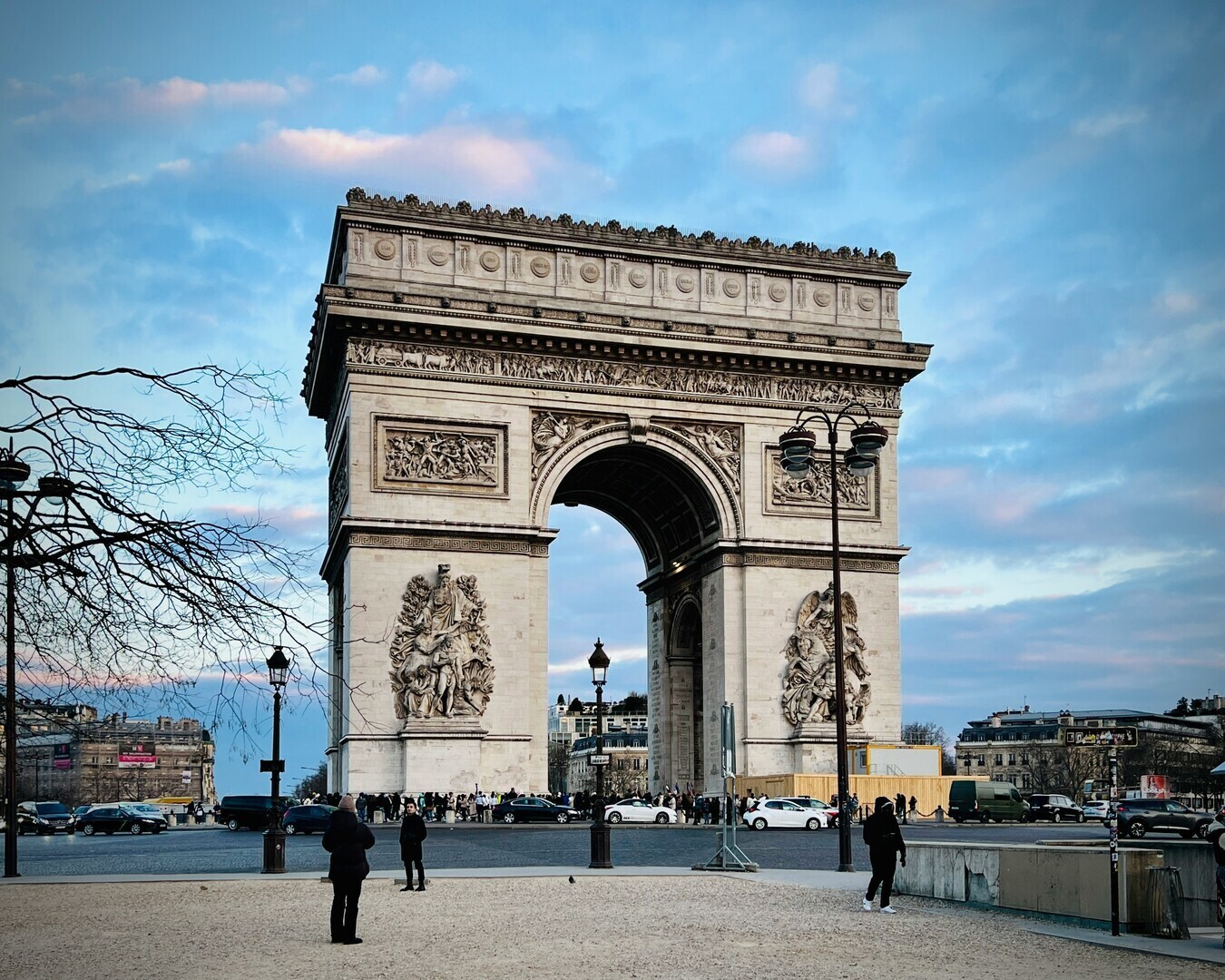
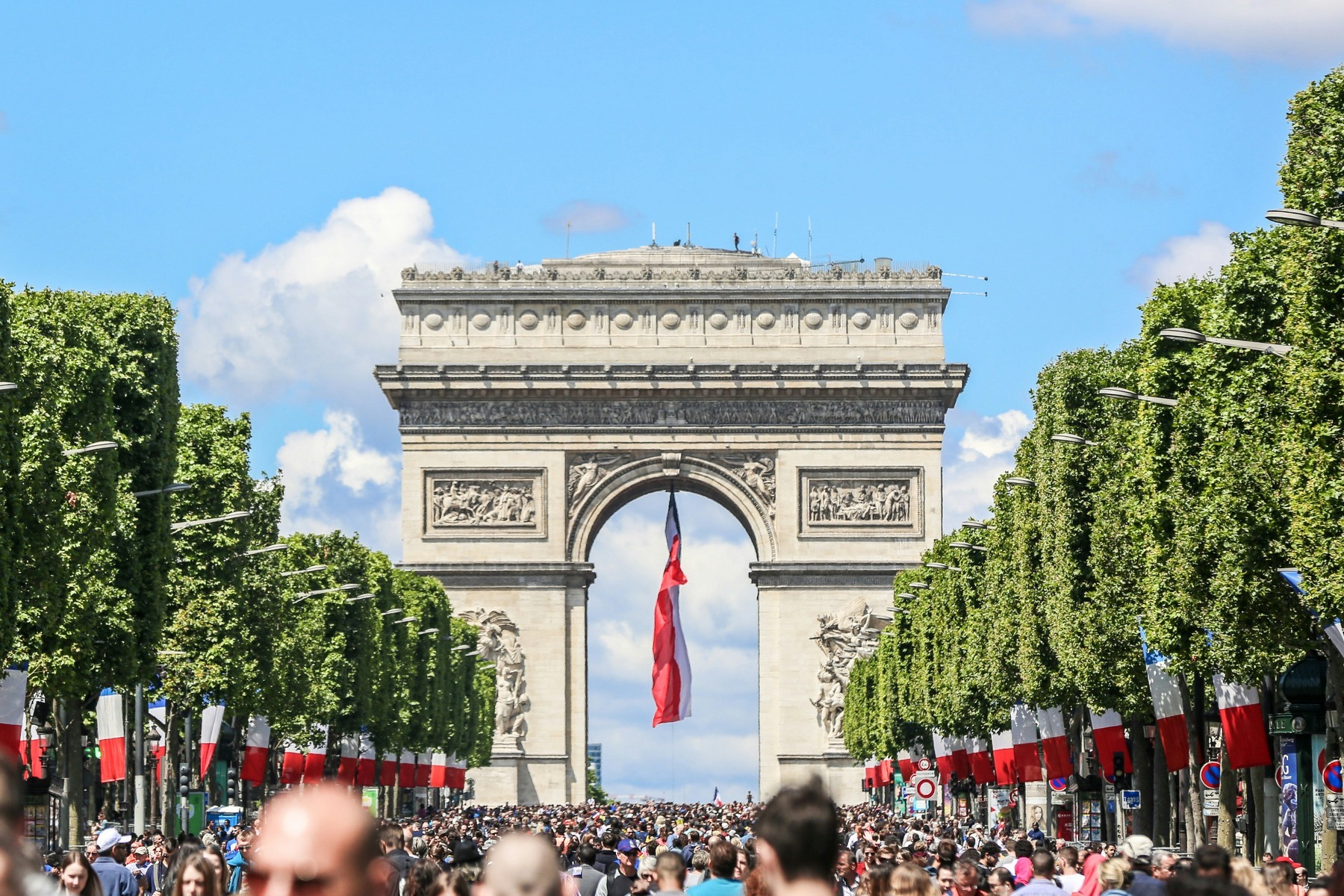
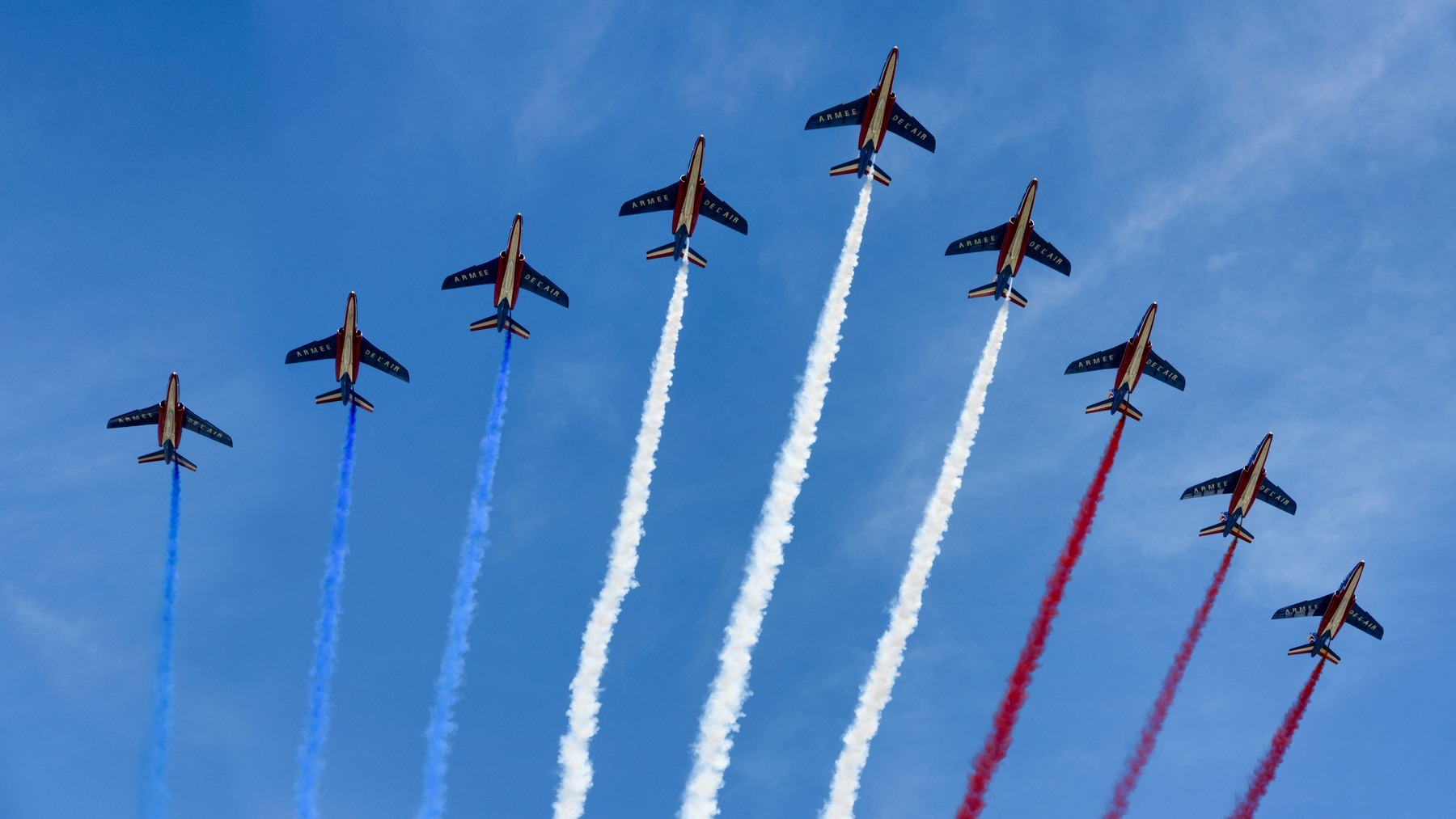
The day begins with ceremony. On the morning of 14 July, the largest regular military parade in Europe makes its way down the Champs-Élysées, from the Arc de Triomphe to the Place de la Concorde, attended by the President and watched by crowds along the avenue. Troops, mounted cavalry of the Garde Républicaine, and military vehicles process down the boulevard, while a flyover of around 130 aircraft - including the Patrouille de France trailing blue, white and red smoke, and Ukrainian Mirage 2000 jets - passes overhead and can be seen from much of the city. The 2026 parade's theme is "Europe's Strategic Awakening," reflected in the presence of allied European aircraft and units alongside the French military.
The parade typically begins around 10am. Because several foreign heads of state are attending in 2026, spectators must now register in advance online via the Élysée website to access the official viewing areas along the Champs-Élysées - a first for the event, and a step worth taking care of well before your trip if you want a guaranteed spot. If you would rather avoid the registration process and the crush, the flyover is visible from many open vantage points across central Paris, and the whole event is broadcast live on French television.
The Eiffel Tower Fireworks & Concert
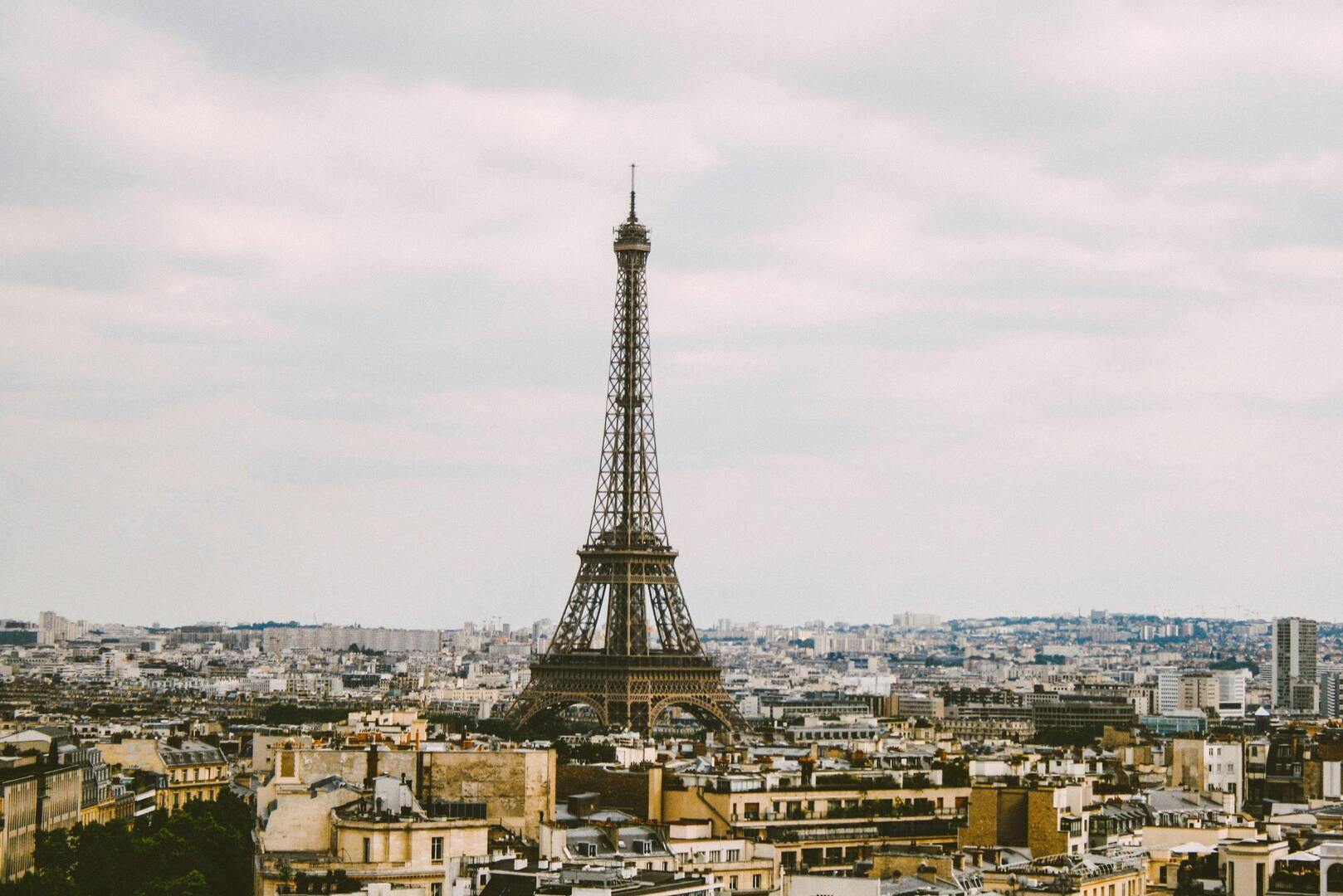
The evening belongs to the Eiffel Tower. In 2026 this takes place on the night of 13 July. A free open-air concert by the Orchestre National de France and the Radio France Choir is staged at the foot of the tower on the Champ de Mars, beginning around 9pm. It builds toward the main event: the fireworks display, which usually starts around 11pm and lasts about 35 minutes.
"The Eiffel Tower fireworks are not simply set off near the monument - they are launched from the tower itself, turning Paris's most famous structure into the centrepiece of the show."
The 2026 edition pairs pyrotechnics with an aerial ballet of roughly 1,600 LED-lit drones, with fireworks fired from around 120 points across the tower and its base, and from the Trocadéro on the far bank of the Seine. The combination of choreographed drones, music, and fireworks set against the floodlit tower makes it one of the most ambitious public spectacles in Europe - and entirely free to watch.
Where to Watch the Fireworks
The classic spot is the Champ de Mars, the long lawn directly beneath the tower, where Parisians arrive with blankets and picnics from the early afternoon to secure a place. It offers the closest view and the concert soundtrack, but it is also the busiest, is fenced and access- controlled, and fills to capacity well before the show.
Vantage points to consider:
- Champ de Mars: Closest and most atmospheric, with the live concert - but the most crowded and access-controlled. Arrive by mid- afternoon to get in and find a spot.
- Trocadéro (Place du Trocadéro & Jardins): The postcard view, looking straight across the Seine at the tower. Also extremely popular and managed by crowd control - go early.
- Bridges and quays along the Seine: Pont de Bir-Hakeim, the Pont d'Iéna approaches, and the riverbanks give elevated or open sightlines if the prime lawns are full.
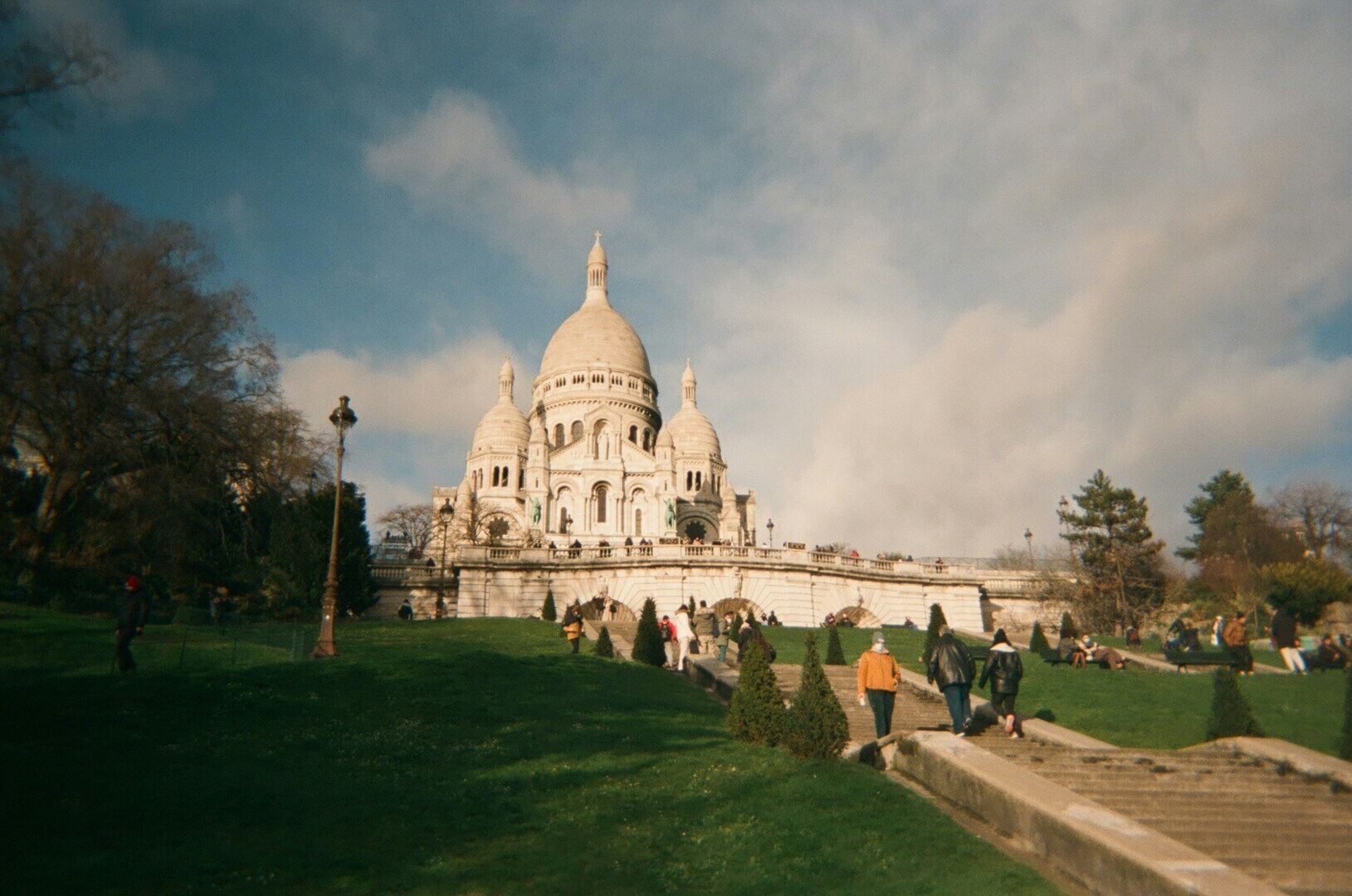
- Elevated, quieter spots: Parc de Belleville, Sacré-Cœur in Montmartre, and Parc de Saint-Cloud are further away but far less crowded, with the fireworks read against the skyline.
- A Seine dinner cruise: Bastille Day fireworks cruises offer a reserved vantage point on the water - these book out weeks ahead, so reserve early if this appeals.
Firemen's Balls (Bals des Pompiers)
For a more local way to celebrate, head to a Bal des Pompiers - a Firemen's Ball. Across the city, fire stations open their courtyards to the public for all-night parties with music, dancing, and drinks, a tradition that dates back decades. They are informal, joyful, and a genuine slice of Parisian life, usually free to enter or with a small donation at the door.
The balls typically start around 7pm (earlier if there are activities for children) and run into the early hours. In 2026, most take place on the evening of 13 July, aligning with the fireworks - so you can pair the two. Each arrondissement has its own; ask locally or check listings for the station nearest you.
The Eiffel Tower and Major Sites
Bastille Day falls in the heart of Paris's high season, and the city's headline monuments are at their busiest. The Full Day Tour with Eiffel Tower, Métro & Montmartre is an efficient way to combine the tower with the city's most atmospheric neighborhood, while the Eiffel Tower Guided Climbing with Summit Concierge Tour offers a more physical, less queue-dependent ascent by the stairs. To cover the major sights across a single guided day, the Grand Parisian Full Day Experience ties the icons together with a guide who can help you navigate the holiday's closures.
Note that on the day of the fireworks the Eiffel Tower itself closes to visitors in the late afternoon for the evening event, and the surrounding area becomes restricted. If you want to go up the tower, do it earlier in your trip rather than on the 13th.
Practical Tips for Bastille Day
- Mind the dates this year: Parade on the morning of 14 July; concert, fireworks, and most Firemen's Balls on the evening of 13 July. Plan your two evenings accordingly.
- Register in advance for the parade: For the first time, official viewing areas on the Champs-Élysées require advance online registration via the Élysée website - sort this out before you travel if watching the parade up close matters to you.
- Watch for heatwave disruption: An active heatwave is affecting Paris and Île-de-France and has already caused some regional event cancellations. Check official sources close to your visit in case outdoor plans are adjusted.
- Expect Métro and street closures: Around the Champ de Mars, stations may begin closing as a crowd-control measure from about 7pm on fireworks night, and many central routes are restricted for the parade. Plan to walk part of the way and allow extra time.
- Arrive early for a good spot: For both the parade and the fireworks, the best vantage points are claimed hours in advance. Bring a blanket, water, and a picnic if you are settling in on the Champ de Mars.
- Have a quieter plan B: If dense crowds aren't for you, watch the fireworks from an elevated spot like Sacré- Cœur or Parc de Belleville, or book a Seine cruise well ahead.
- Check what's open on the 14th: As a public holiday, some shops, businesses, and services run reduced hours or close, though major attractions and restaurants generally stay open. Confirm timed-entry tickets in advance.
- Dress for summer heat: July in Paris can be hot. Carry water and sun protection for long hours outdoors, and keep valuables secure in the crowds.
For help planning your Bastille Day visit, including guided experiences and booking assistance for major sites around the holiday, contact our Tour Concierge at [email protected].