Luxembourg Gardens in Spring: Paris's Most Elegant Outdoor Escape
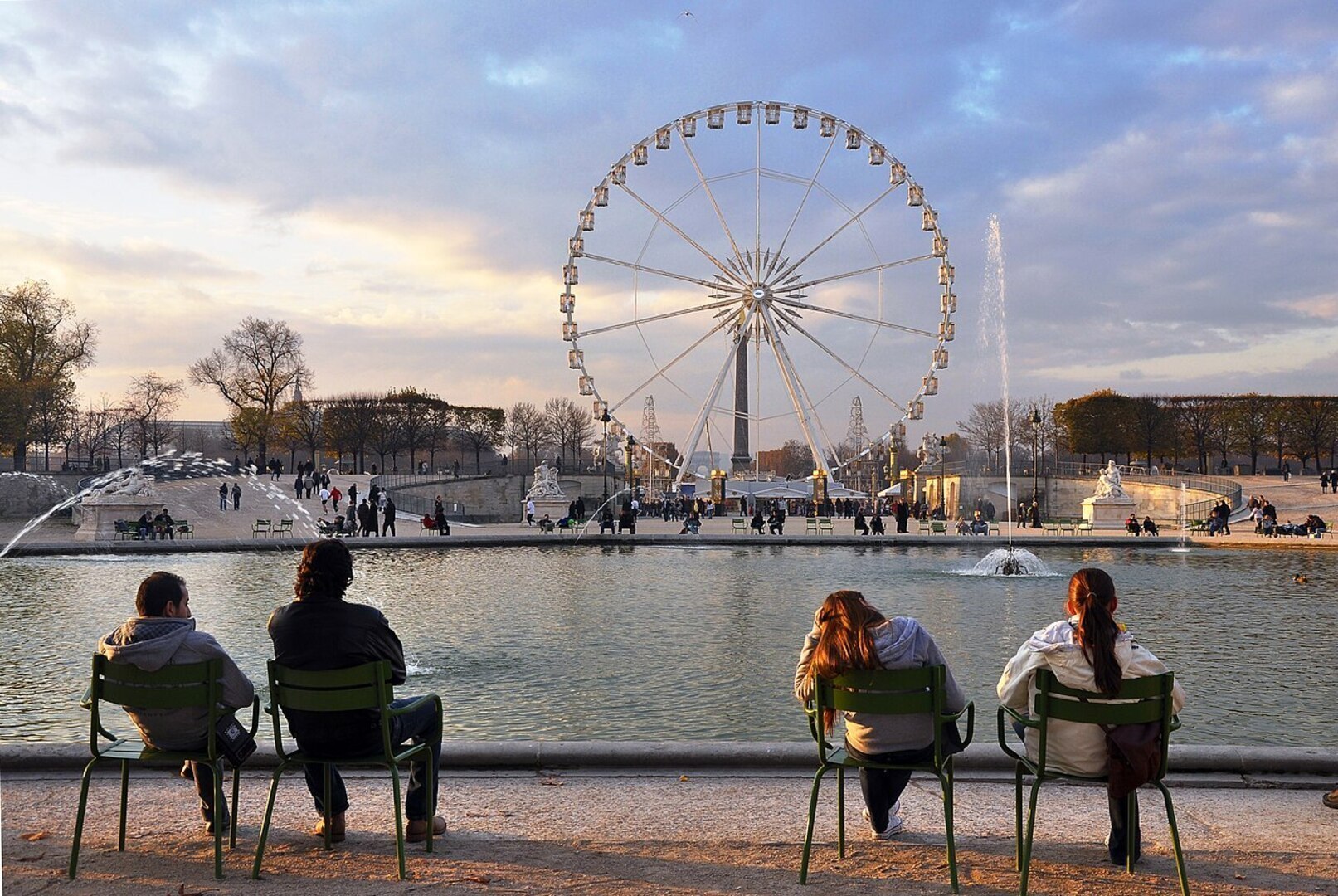
The Jardin du Luxembourg occupies a particular place in the Parisian imagination. It is not the largest park in the city, nor the wildest, nor the most dramatic. What it is - and what it has been for four centuries - is the most gracefully civilized outdoor space in Paris. It combines the formality of a 17th-century French garden with the informality of daily Parisian life: students reading on the green metal chairs, children sailing toy boats on the Grand Bassin, old men playing boules under the chestnut canopies.
In spring - and particularly in late May and early June - the gardens are at their most photogenic and most pleasant. This guide covers the park's history, what to see across its different sections, and why the Luxembourg deserves more than a quick pass-through in any Paris itinerary.
History: From Royal Residence to Republic's Garden
The Luxembourg Gardens were created in the early 17th century by Marie de Médicis, widow of Henri IV, who commissioned a palace and grounds that recalled her childhood home in Florence. The Palais du Luxembourg was modeled loosely on the Palazzo Pitti; the gardens drew on the Italian Renaissance tradition of formal geometric planting. The palace is now the seat of the French Senate, which still administers the gardens.
"Marie de Médicis wanted Florence in Paris. What she got - and what the city kept - was something more distinctively French: a formal garden that learned, over the centuries, to accommodate the informality of a republic."
During the French Revolution the palace served as a prison. Through the 19th century the gardens were incrementally shaped by Haussmann's urban reorganization into roughly their current 23-hectare form. The green metal chairs - unmistakably Luxembourg - were introduced in the late 19th century and have become one of the most recognizable details of Parisian public space.
What the Gardens Contain
Key sections and features:
- The Grand Bassin: The large circular fountain at the gardens' center, ringed by green chairs and surrounded by formal terraces. Children rent small sailboats here on weekends - an institution since the 19th century.
- The French formal garden (north section): Geometric parterres of precisely maintained flower beds leading from the palace terrace down to the basin. In late May, these are in full spring planting - tulips giving way to summer flowers.
- The orchard: The Luxembourg Gardens contain a working fruit orchard, managed by the Senate, with espalier-trained apple and pear trees along the south and west sections. In spring, this is one of the quieter and more beautiful corners of the park.
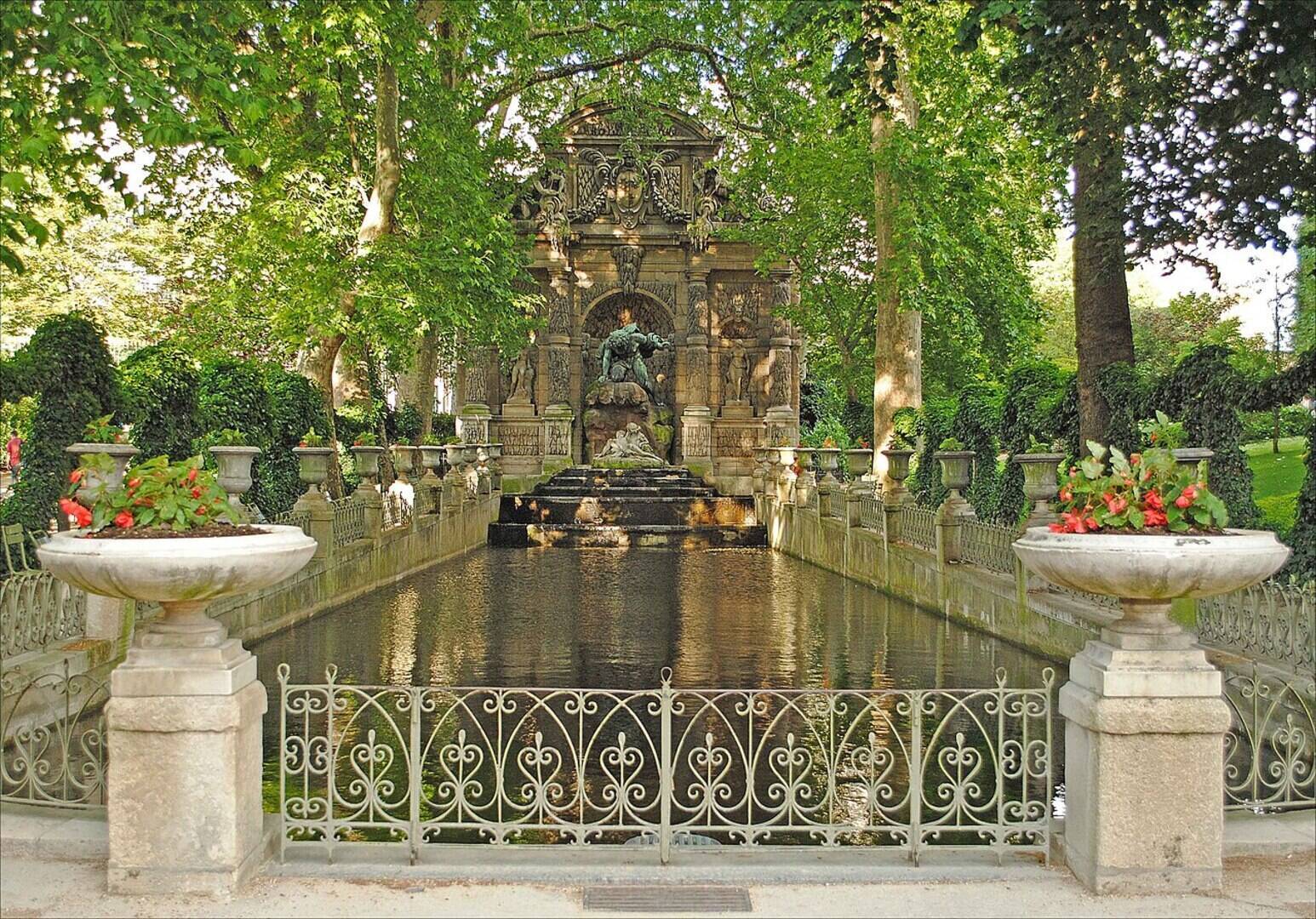
- The Medici Fountain: A long ornamental reflecting pool flanked by plane trees and leading to a 17th-century grotto-like fountain. One of Paris's most atmospheric shaded spots and consistently one of the most photographed garden corners in the city.
- The outdoor sculpture collection: Approximately 100 statues are distributed across the gardens, including a series of French queens and heroines arranged on the upper terrace facing the basin.
Why Spring Is the Best Time
The Luxembourg Gardens are open year-round but their quality varies considerably by season. In winter the chairs are stacked, the flower beds are bare, and the park has a skeletal formality. In high summer (July - August) the gardens are crowded from midmorning and the lawn areas - where grass is permitted - are densely packed.
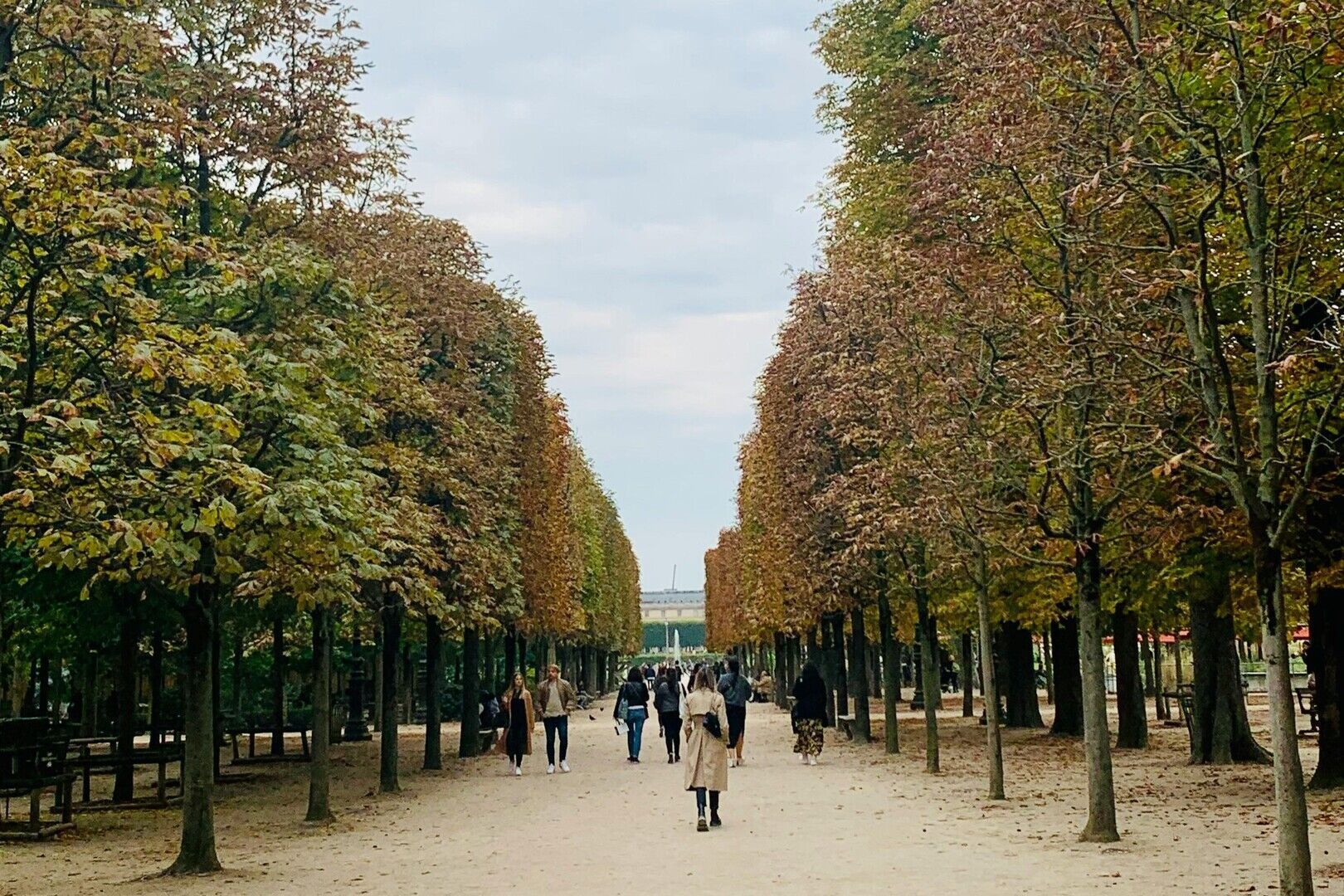
Late May and early June is the optimal window: the horse chestnut trees lining the main allées are in full canopy, the flower parterres are at peak spring planting, temperatures are warm enough to sit outside for extended periods, and visitor density is lower than it will be in July. The chairs come back out reliably by mid-April, and by May the full social life of the park is in motion.
The park connects naturally to a broader Left Bank walking route. The Original Paris Walking Tour covers the Left Bank from the Seine to the Latin Quarter; adding a Luxembourg detour in May conditions turns the walk into a full-day exploration of Paris at its most livable.
Practical Tips for the Luxembourg Gardens
- Take a chair and stay: The Luxembourg's defining experience is not walking through it but sitting in it. Take one of the movable green chairs to the basin or the Medici Fountain and stay for at least 45 minutes.
- Visit the Medici Fountain early or late: The fountain alley is beautiful throughout the day but particularly atmospheric in the morning before the main visitor flow arrives, or in the late afternoon when the long shadows change the light on the water.
- The gardens have multiple entrances: The main entrance from Boulevard Saint-Michel faces the palace and basin; the Rue Auguste Comte entrance on the south side accesses the orchard and less-visited sections directly.
- No grass on the formal sections: The geometric parterres and most of the formal garden are for walking around, not sitting on. Grass areas are marked and change seasonally - look for open signs.
- Combine with Saint-Germain-des-Prés: The gardens are 10 minutes' walk from the Église Saint-Germain-des-Prés and the surrounding café district - the two together make a natural Left Bank afternoon.
For guided Left Bank and Paris garden experiences, contact our Tour Concierge at [email protected].