Eiffel Tower Stairs vs Elevator: Which Experience Is Right for You?
By late March, the Eiffel Tower feels different. The wind is still cool at height, but daylight stretches long enough for unhurried ascents, and Paris below is visibly shifting back outdoors. For many visitors, spring raises one practical question: should you climb the stairs or take the elevator?
Both routes are valid and both can be memorable. The best choice depends less on budget or bragging rights and more on pace, physical comfort, and how you want to experience the tower itself. This guide compares the two options with factual, on-the-ground detail for spring 2026 planning.
What Changes in Spring 2026
Spring usually offers one of the most balanced windows for an Eiffel Tower visit. Temperatures are milder than winter, the light lasts later, and visibility is often clearer after rain. In practical terms, this makes both climbing and elevator visits more comfortable than in peak summer heat.
Easter falls on 5 April in 2026, so late March through April can bring more family travel around long weekends. Booking timed entry in advance remains the simplest way to protect your schedule, especially if summit access matters to you.
"Choosing stairs or elevator is not about which is better in theory - it is about which rhythm suits your day in Paris."
The Stairs Experience
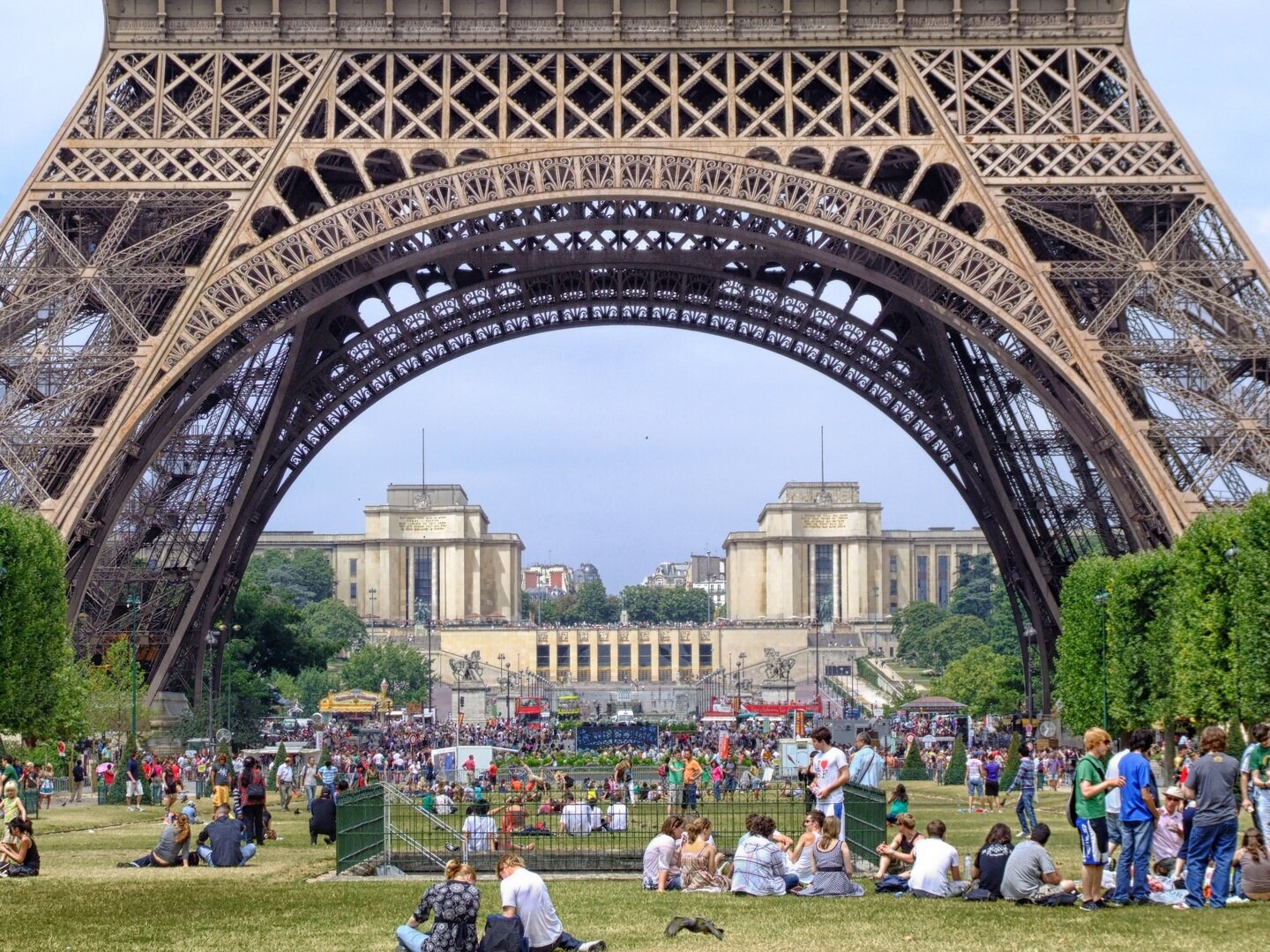
Climbing gives you direct contact with the tower's iron structure and changing views as you rise. Public stair access is to the second floor, and the climb is commonly described as about 674 steps. Depending on pace and pauses, many visitors take around 30 to 45 minutes to reach the second level.
This route usually feels more immersive and can be less expensive than elevator-only tickets. It also gives a strong sense of progression: each platform opens a new angle over the Seine, Trocadero, and the rooftops of western Paris.
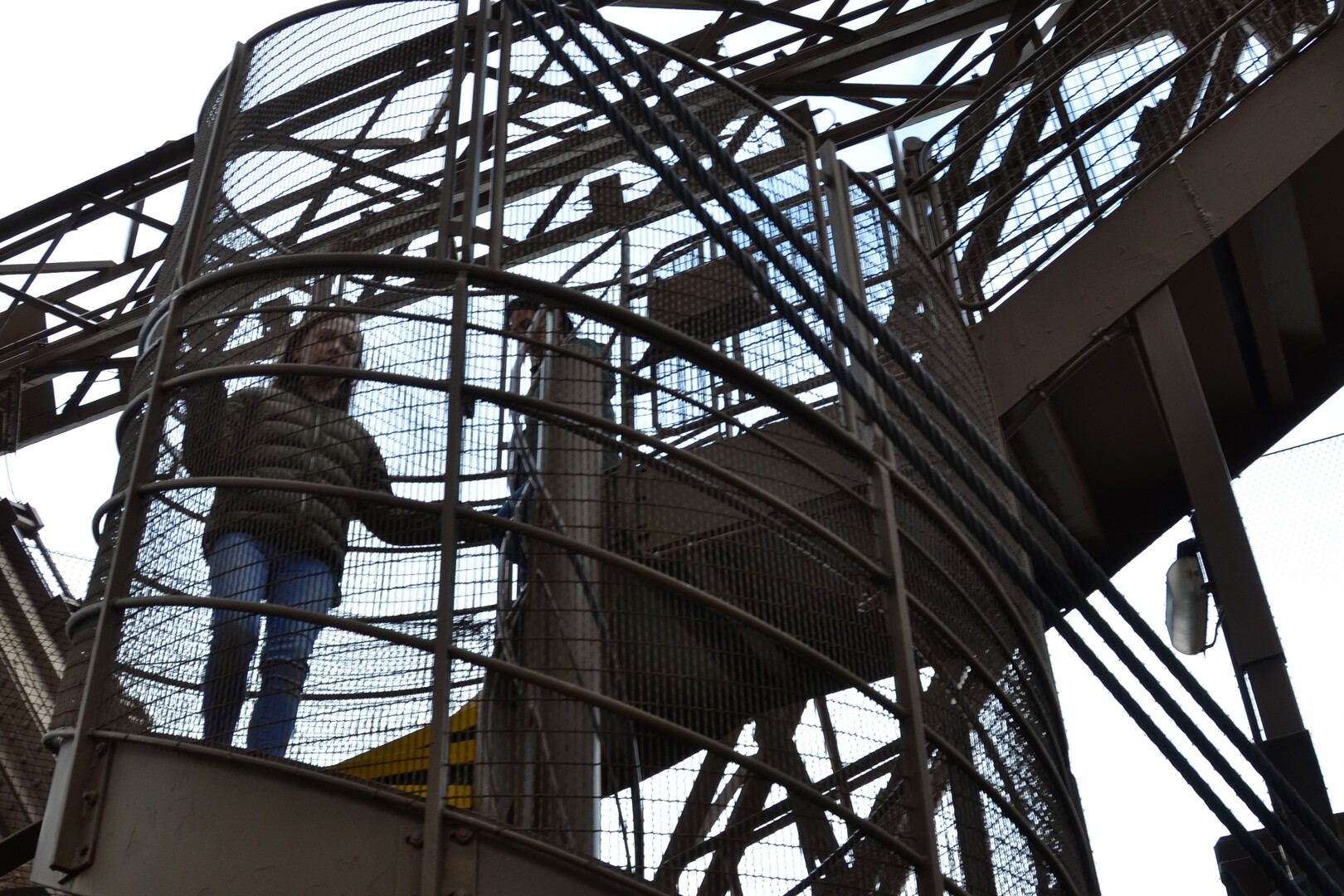
Stairs are often the better fit if you want:
- A physically active visit and closer contact with the tower's structure.
- Frequent photo stops during ascent rather than one uninterrupted ride.
- A slower, more tactile experience of the monument in mild weather.
The Elevator Experience
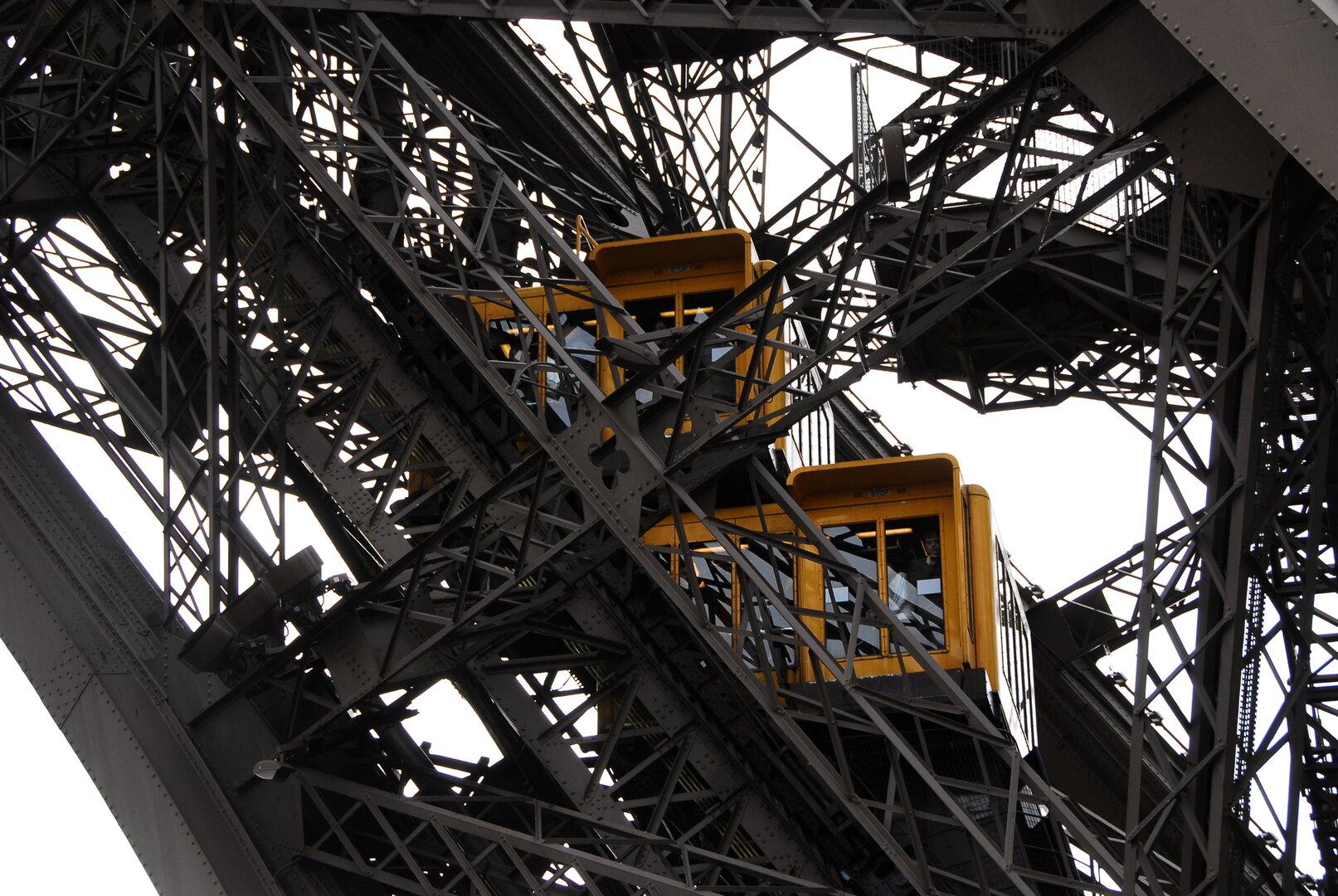
The elevator is faster and less demanding, which can be essential for visitors with limited mobility, tighter schedules, or young children. You still get strong views during ascent, especially in glass cabins, but the journey is more about efficient access than gradual immersion.
One key point remains unchanged: the summit is reached by elevator from the second floor. Even if you climb initially, the final ascent to the top is elevator-only when summit access is open.
Can You Combine Both?
Yes. Many travelers choose a mixed route: stairs to the second floor, then elevator to the summit. This option balances effort with convenience and works well in spring when temperatures are cool enough for a climb without the fatigue common in hotter months.
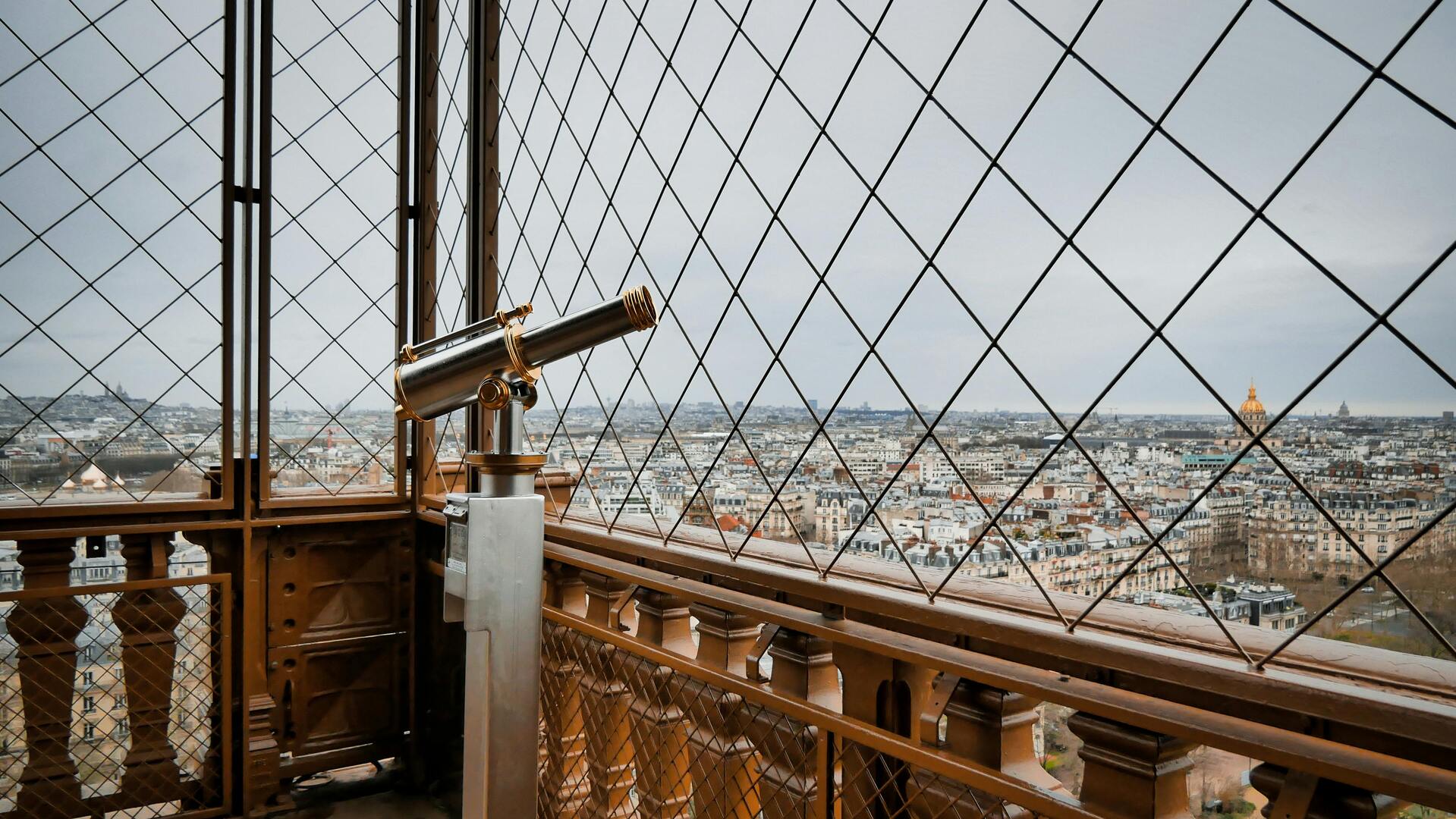
On descent, you can also include the first floor, where the glass deck and exhibits add context to the visit. It is one of the easiest levels to linger in because you are close enough to read the city while still feeling the tower's scale around you.
How This Fits One Journey's Paris Experiences
If you are comparing options inside the One Journey Paris lineup, the distinction is straightforward. The climbing experience prioritizes the stair ascent and structural perspective; the elevator experience prioritizes smoother vertical access and lower physical demand. Both pair naturally with same-day Paris planning around Trocadero, Champ de Mars, Montmartre, or the Seine-side evening walk.
For visitors deciding between them, the practical question is simple: do you want the ascent itself to be a central part of the story, or do you want to arrive quickly and conserve energy for the rest of the day?
Practical Spring 2026 Decision Checklist
- Choose stairs if you are comfortable with sustained climbing and want a more immersive ascent to the second floor.
- Choose elevator if you prefer lower exertion, have mobility concerns, or need a faster visit window.
- Choose mixed access if you want both the climb and summit views with less overall fatigue.
- Book timed entry early for weekends, school breaks, and Easter-adjacent dates.
- Dress for exposed conditions because spring can feel significantly cooler at upper levels than at street level.
- Protect flexibility by keeping buffer time around your Eiffel slot for queues, security, and weather-driven pacing.
The right choice is the one that matches your energy and your pace. In spring, the Eiffel Tower rewards both approaches: one through effort and structure, the other through comfort and efficiency. For tailored suggestions on combining Eiffel Tower with Paris highlights, and for help aligning guided experiences with seasonal reopenings - contact our Tour Concierge at support@onejourney.com.