Charles Bridge Prague: History, Statues & When to Visit
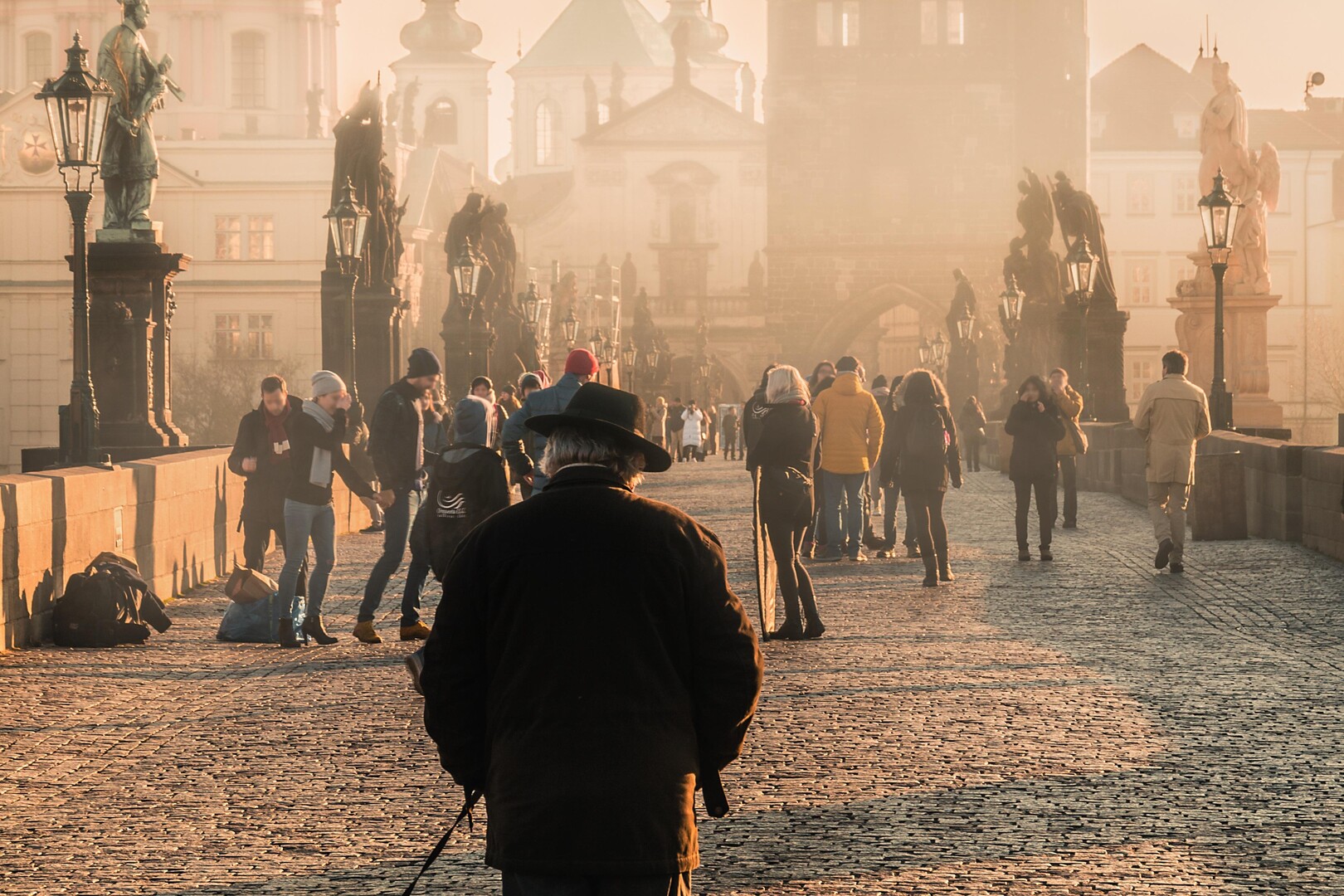
Charles Bridge is often introduced as Prague's postcard landmark, but it is better understood as a living axis of the city. It links the Old Town with Mala Strana across the Vltava, carries the visual rhythm of towers and domes in both directions, and changes character hour by hour as light moves across its stone.
For travelers in 2026, the bridge rewards timing as much as curiosity. Knowing when crowds thin, when the statues glow in side light, and how the surrounding districts shift through the seasons can turn a quick crossing into one of Prague's most memorable experiences.
A Bridge Built for a Growing Capital
Construction began in 1357 under Charles IV after the earlier Judith Bridge was badly damaged by flooding. The new stone crossing, completed in the early 15th century, eventually became known as Charles Bridge and served for centuries as Prague's principal route across the river. Its strategic role helped connect castle, market districts, and ceremonial routes at the heart of Bohemian political life.
At 516 meters long and nearly 10 meters wide, with 16 arches and fortified towers at each end, the bridge was both practical and symbolic. It endured floods, wars, and heavy traffic before becoming pedestrian-only in the modern era, preserving the atmosphere visitors now associate with Prague's historic center.
"Charles Bridge is not only a monument to cross; it is a timeline to walk."
The Statues: Baroque Drama Above Medieval Stone
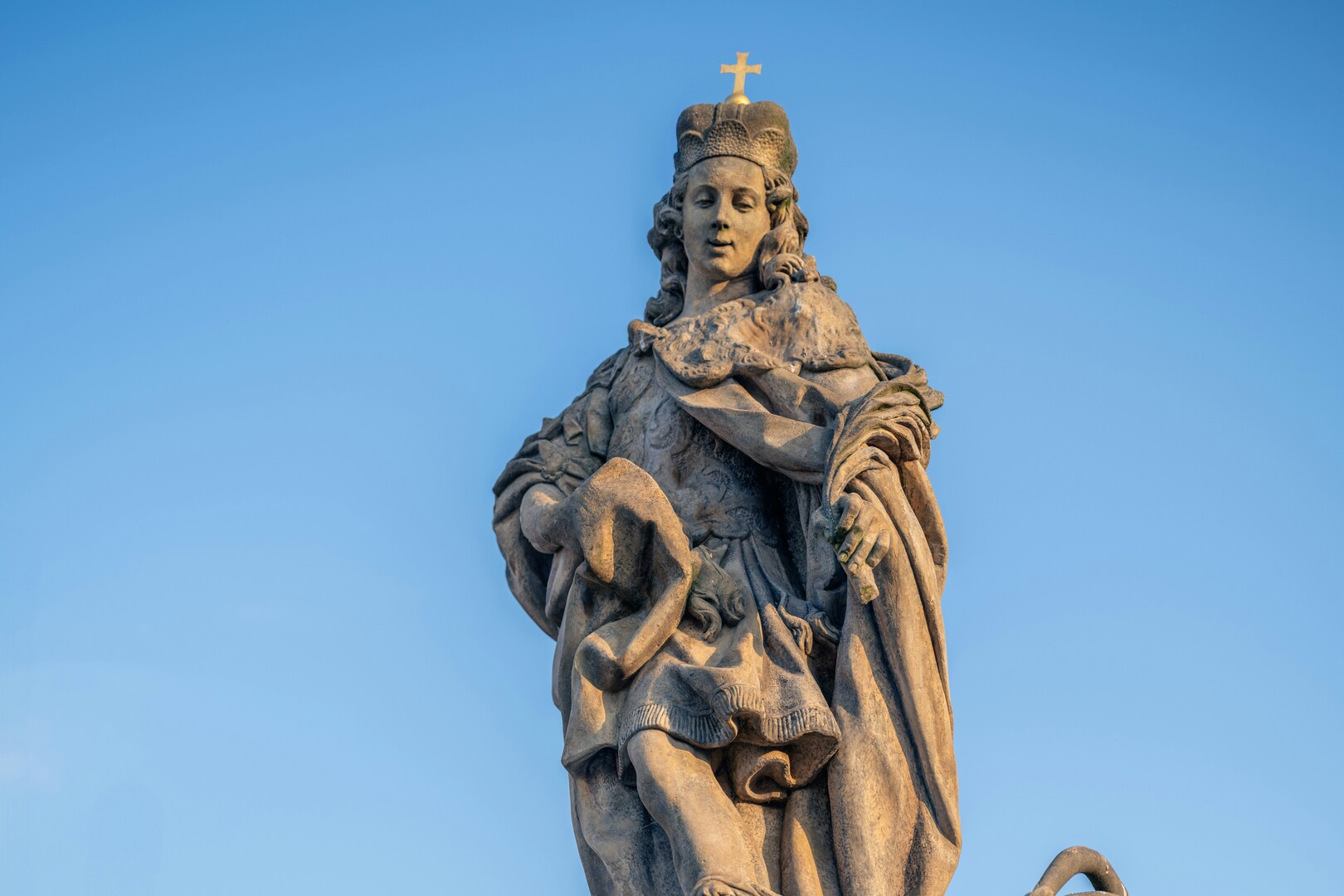
Most of the bridge's statues were added between the late 17th and early 18th centuries, creating the celebrated corridor of saints seen today. While many visitors assume every figure is original, most sculptures on the bridge are now replicas; originals were moved to museum collections for conservation after weather damage and flooding.
The statue of St. John of Nepomuk remains the best known and is closely tied to local ritual, with polished bronze details where visitors traditionally touch for luck. Other groups, such as St. Luthgard and Saints Cyril and Methodius, show how the bridge became an open-air gallery spanning multiple artistic periods.
How to read the statues without rushing:
- Start from the Old Town side and move slowly toward Mala Strana.
- Pause at each grouping to notice gestures, symbols, and narrative reliefs.
- Compare replicas on the bridge with originals later in museum collections.
When to Visit Charles Bridge in Each Season
The bridge is open at all hours, but experience varies dramatically by season. Spring offers the most balanced conditions: cool mornings, softer crowds before high summer, and longer daylight that keeps river views clear into the evening. Autumn can feel equally atmospheric, especially on dry days with crisp visibility over the rooftops.
Summer brings the longest light and most street activity, but also the densest mid-day foot traffic. Winter is quieter and photogenic in mist or snow, though surfaces can be slick and wind over the river noticeably colder. In any month, sunrise and late evening remain the calm windows for photographers and slower walkers.

How Charles Bridge Fits a Prague Day
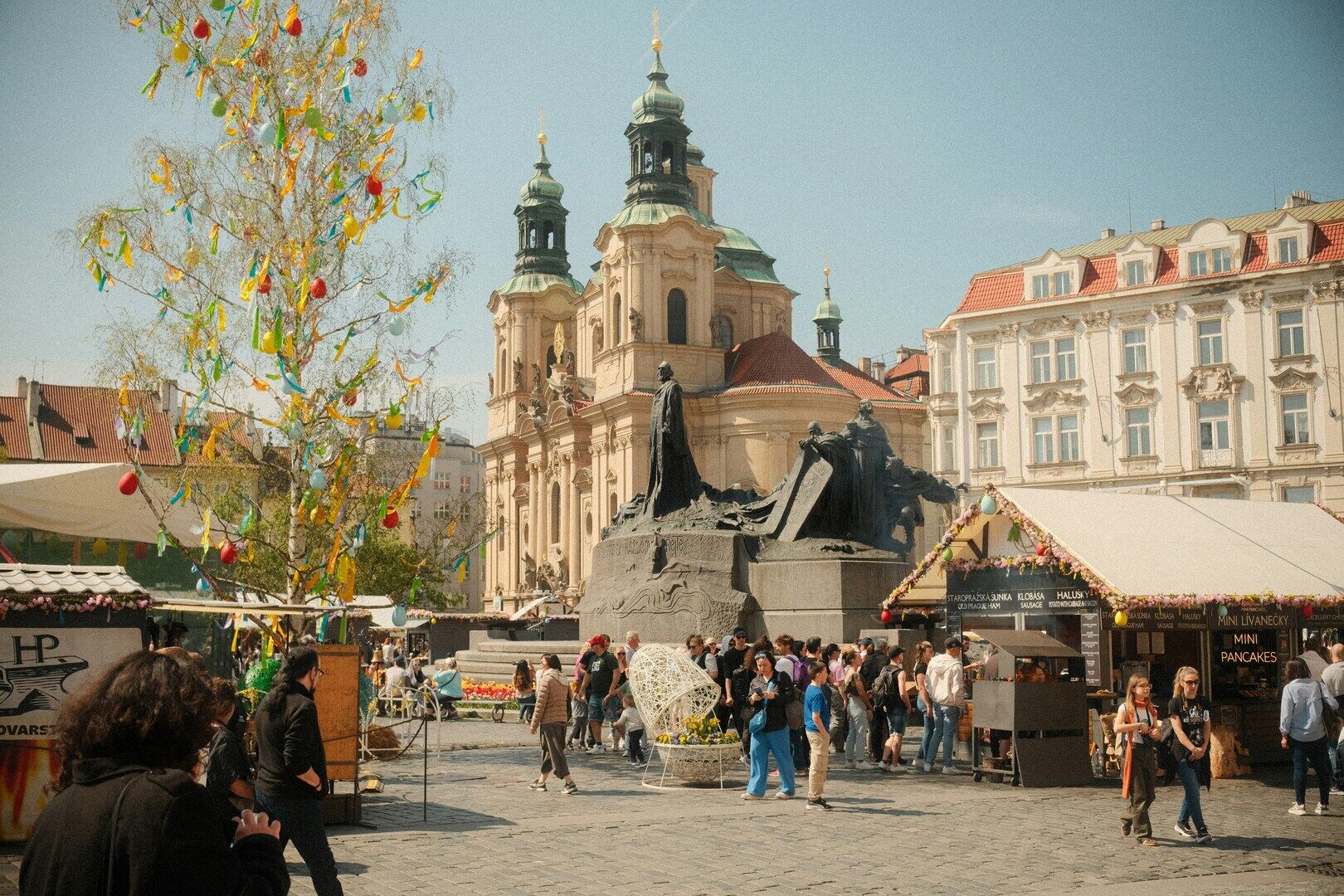
A thoughtful route pairs the bridge with nearby districts rather than treating it as a single stop. From the Old Town side, visitors can continue to the Astronomical Clock and Old Town Hall interiors. Crossing toward Mala Strana naturally leads to Prague Castle approaches, Kampa, and riverside viewpoints.
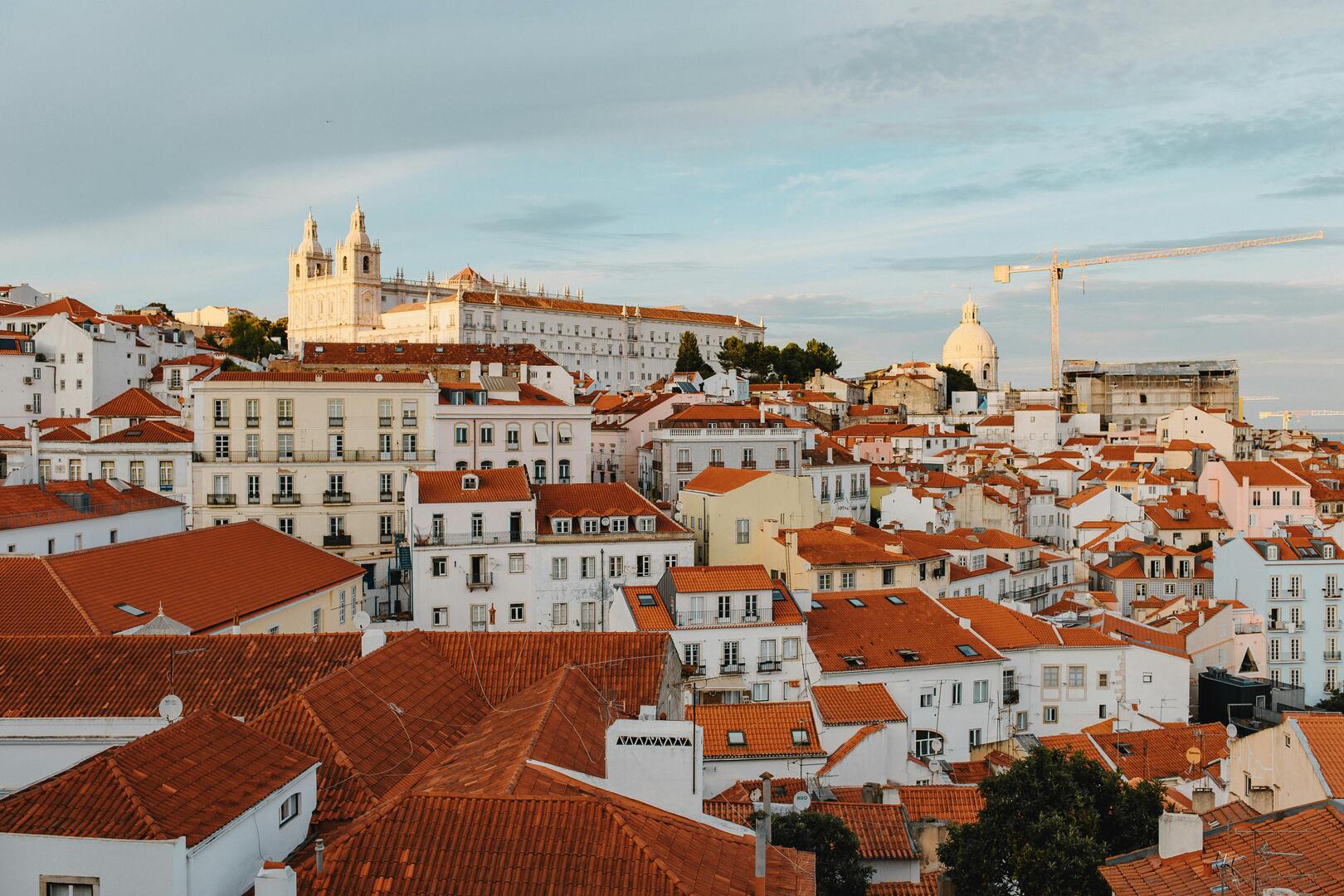
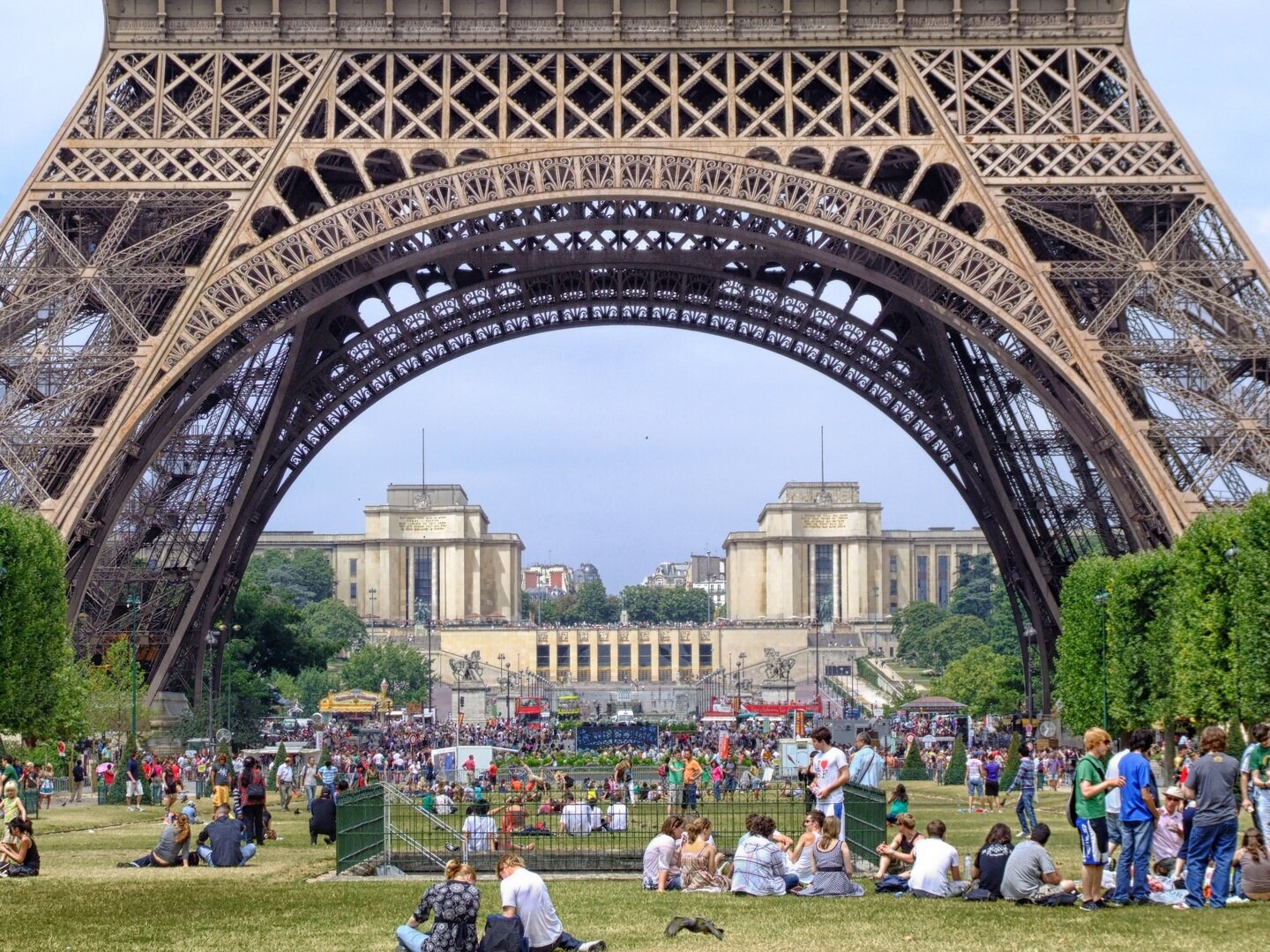
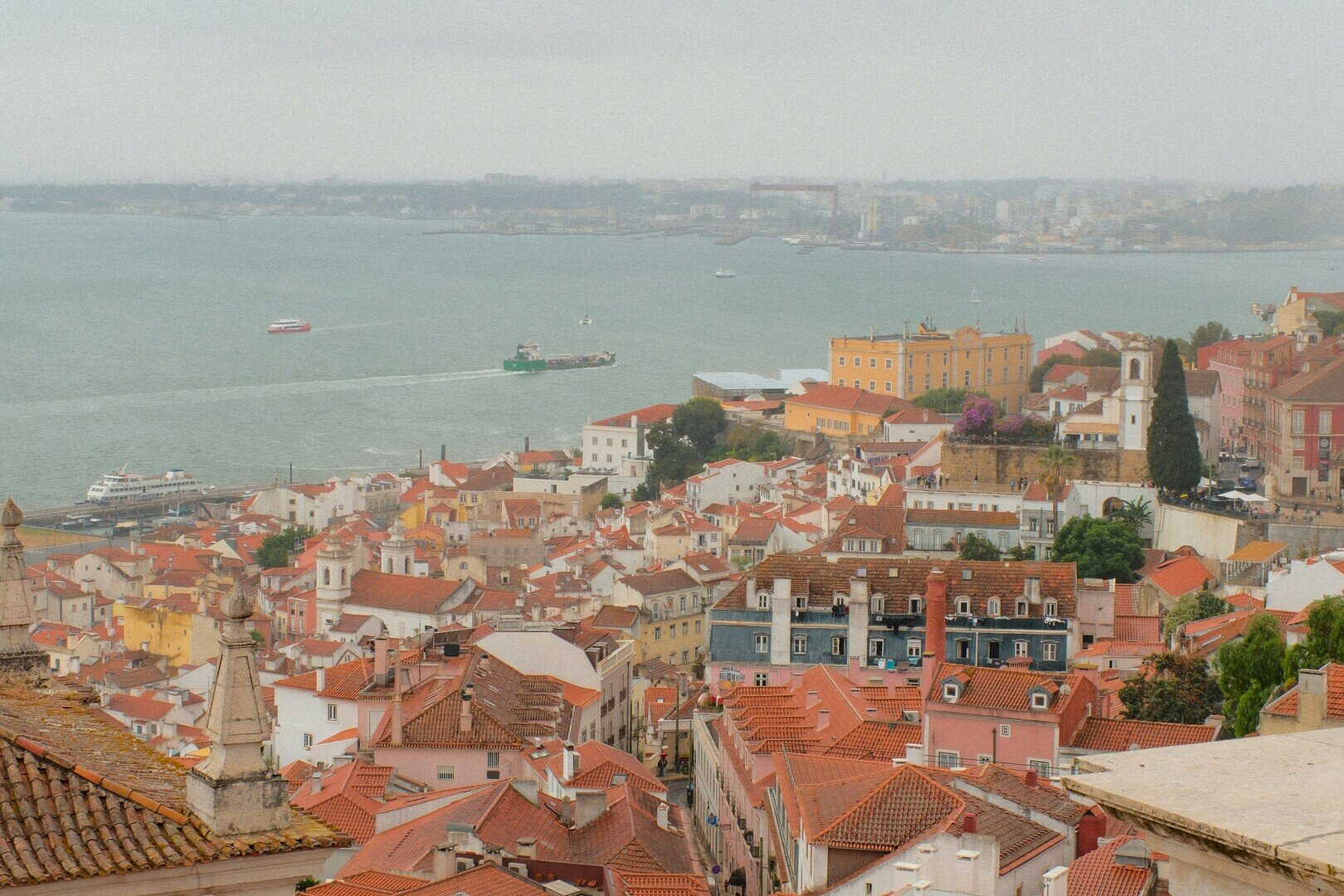
This sequence aligns well with Prague experiences already available through One Journey, such as private visits to Old Town Hall, Prague Castle, the Klementinum, and the National Museum. If extending a broader Central Europe itinerary, Prague pairs well with Paris or Lisbon in spring, but Charles Bridge remains one of Prague's defining anchors in any multi-city plan.
Practical Tips for a Better Visit
- Go early or late: 6:00-8:00 and after 21:00 are usually most comfortable.
- Wear stable shoes: the stone surface can be uneven, especially after rain.
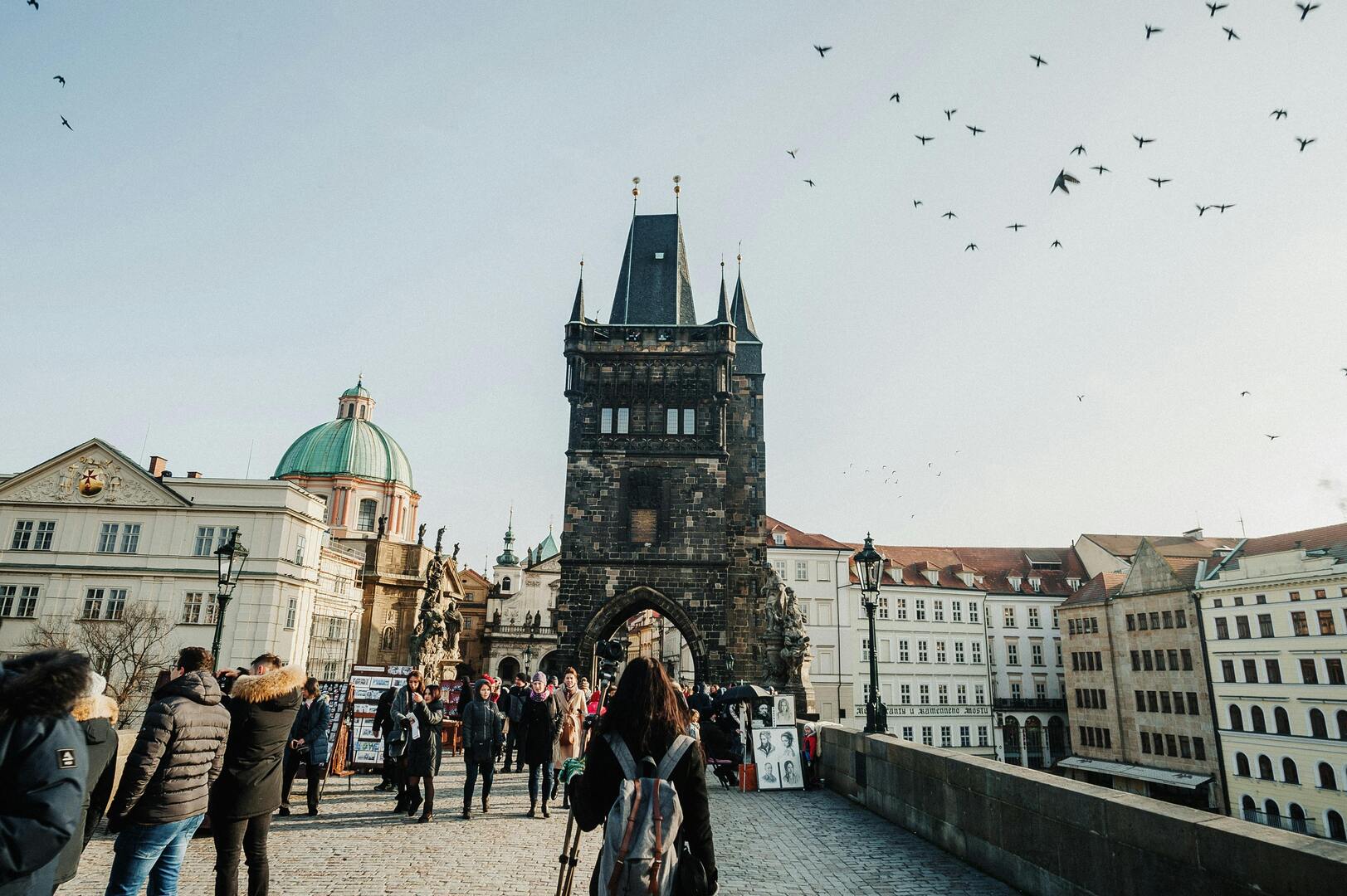
- Use both banks: the best photos of the bridge often come from river edges, not mid-span.
- Respect flow: keep to one side when stopping so the bridge remains easy to traverse.
- Pair with nearby landmarks: combine the crossing with Old Town or castle visits to avoid backtracking.
For tailored suggestions on combining Charles Bridge with Prague highlights, and for help aligning guided experiences with seasonal reopenings, contact our Tour Concierge at [email protected].