Spring Walking Tours in Paris: Best Outdoor Experiences When Weather Warms
When winter finally loosens its grip on Paris, the city shifts outdoors. Café terraces fill again, the light softens, and long, cool afternoons invite you to slow your pace and see the city on foot. From March through May, temperatures gradually rise, trees along the Seine leaf out, and familiar landmarks feel renewed when approached at walking speed rather than glimpsed from a taxi window.
Spring also brings longer days and gentler crowds. Morning layers give way to shirtsleeves by afternoon, and a light shower can clear a square in minutes before the sun returns. It is a season made for lingering - crossing bridges, drifting through gardens, and following narrow streets until you arrive somewhere beautiful almost by accident.
Why Spring Belongs to Walkers
Paris in spring is defined less by a single “must see” sight than by atmosphere. Average daytime temperatures climb into the low to mid-teens Celsius in March and April before edging toward the high teens in May, but evenings can still feel crisp. The sharp winter light softens, making stone facades, slate rooftops, and river reflections appear warmer and more nuanced.
On foot, you feel these shifts hour by hour. Early walks may call for a scarf and a light coat; by midday, you will be grateful for breathable layers. Rain typically arrives in short, passing showers rather than all-day storms, which means a compact umbrella or hood is enough to keep you moving. With Daylight Saving Time beginning at the end of March, sunset creeps later each week - ideal for evening routes that end at a panoramic viewpoint or a favorite square.
In spring, Paris invites you to measure distance not in metro stops but in the number of bridges, gardens, and quiet side streets between morning and dusk.
Practical Notes for Spring Walks
- Plan for layers - mornings and evenings can hover near 8 - 10°C even when afternoons feel mild.
- Expect changeable skies: brief showers are common, but they often leave behind luminous light and near-empty streets.
- Comfortable shoes with grip matter more than style, especially on polished cobblestones and hilly neighborhoods like Montmartre.
Along the Seine: Bridges, Bookstalls, and Spring Light
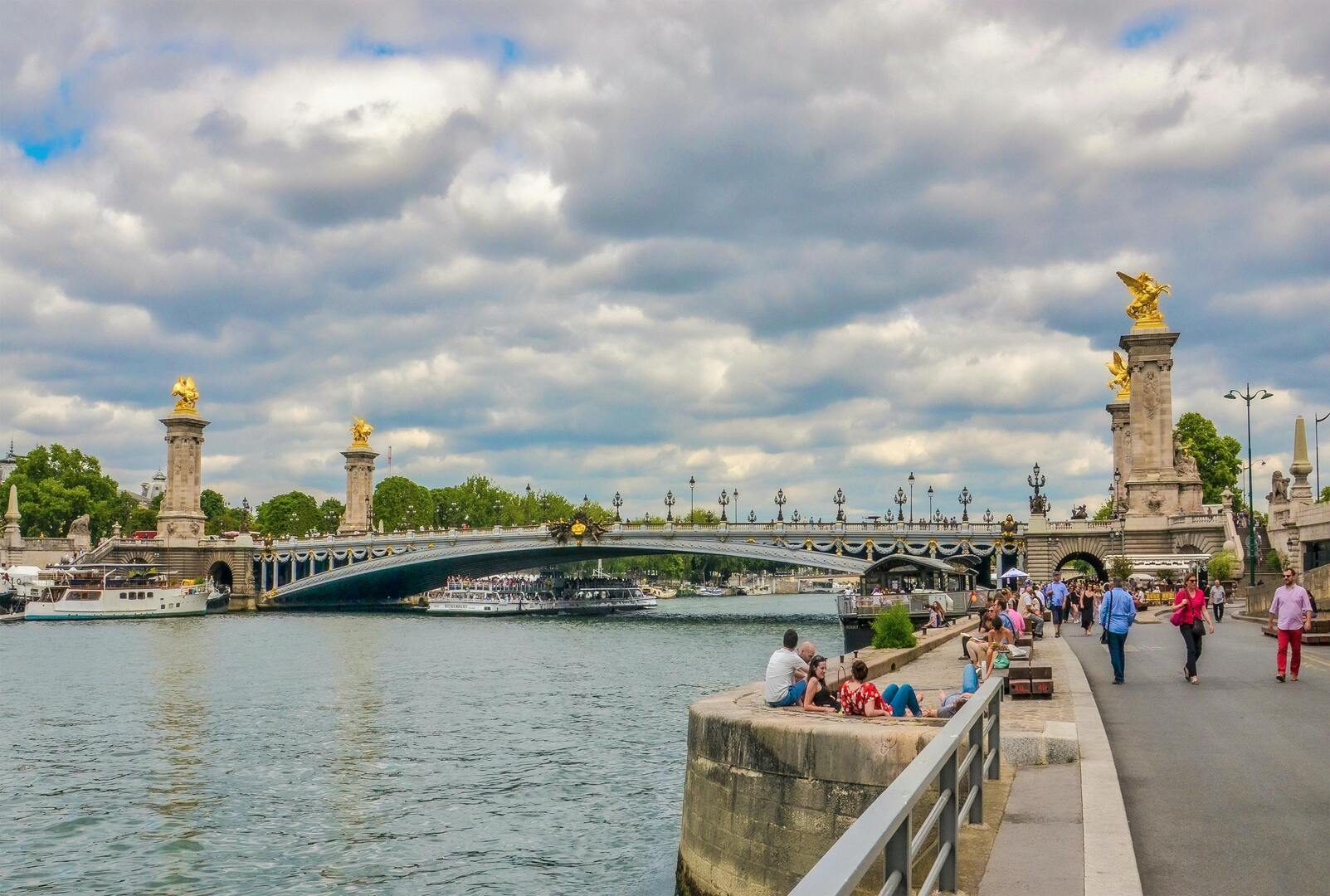
Few walks reveal the changing season as clearly as the riverbanks. From Pont Neuf - the oldest bridge in Paris - you can drift along the UNESCO-listed embankments with views toward the Louvre, the towers of Notre-Dame, and the domed silhouette of the Institut de France. In spring, the famed riverside booksellers begin to reopen their green boxes more regularly, adding color and conversation back to the quays.
Following the river downstream, you trace much of the route covered by classic introductory walking tours of historic Paris: the stone masks of Pont Neuf, the clock tower of the Conciergerie, and the discreet façades that line Île de la Cité. On clear afternoons, the water catches the late sun, and bridges feel less like crossings than viewing platforms where you can pause and watch the city move around you.
Île de la Cité and Notre-Dame: The Heart of the City in Bloom
Spring arrives early on Île de la Cité, the island often described as the cradle of Paris. Around Notre-Dame, magnolias and ornamental cherry trees begin to flower between late March and mid-April, softening the stone contours of the cathedral with a haze of white and pink. Nearby, the flower market on Place Louis Lépine spills over with seasonal plants, adding fragrance and color even on cooler days.
A thoughtful route might lead you from Pont Neuf onto the island, past the Conciergerie and Sainte-Chapelle with its luminous stained glass, and into the narrow streets that surround the cathedral. Many guided walks focus on this compact area, weaving together Roman origins, medieval architecture, and the story of Notre-Dame’s restoration. In spring, the narrative is paired with the simple pleasure of watching leaves emerge along the river and in small, sheltered gardens.
Left Bank Lanes: From the Latin Quarter to Luxembourg Gardens
Crossing to the Left Bank, the Latin Quarter offers a denser, more intimate kind of walk. Medieval streets climb gently away from the river, lined with bookshops, student cafés, and façades layered with centuries of history. In spring, tables begin to reappear on pavements around the Sorbonne, and the neighborhood feels animated without yet tipping into summer crowds.
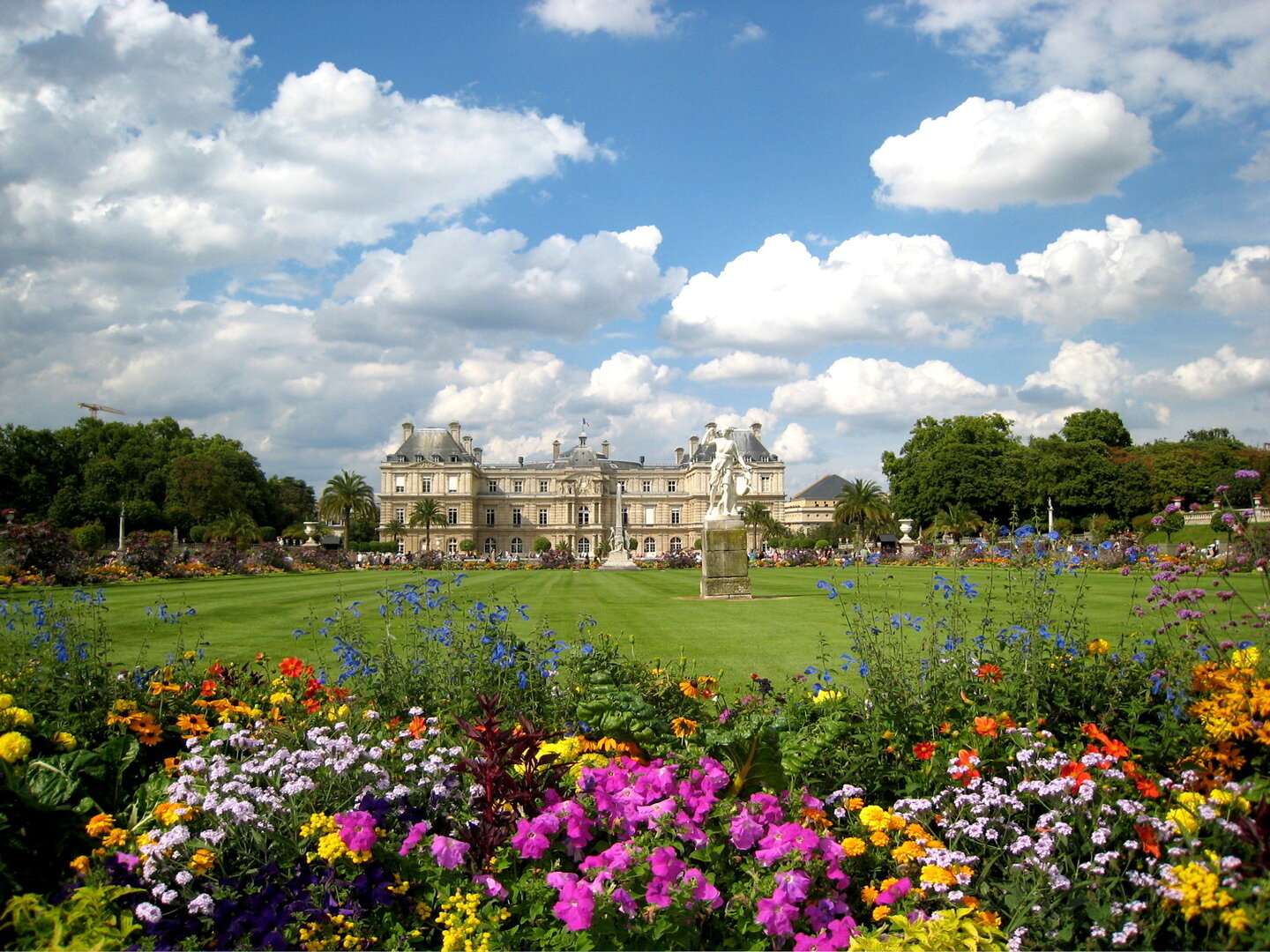
A classic route carries you from the river up toward the Panthéon before looping down to the Luxembourg Gardens. Here, chestnut trees bud, the central basin fills with children sailing toy boats, and Parisians reclaim their favorite green chairs for reading or quiet conversation. It is an ideal place to pause midway through a day of walking - somewhere to sit, watch the light move across the palace façade, and decide where your feet will take you next.
Montmartre Hills at Golden Hour
On the northern edge of the city, Montmartre rewards those willing to climb. In spring, the slopes below the Sacré-Cœur Basilica trade winter’s stark outlines for softer, leaf-framed views over Paris. Vines at the Clos Montmartre vineyard push out new growth, window boxes fill again, and late-afternoon light turns staircases and stone walls a warmer shade of gold.
Many visitors arrive by funicular and head straight for the terrace in front of the basilica, but walking allows you to discover quieter corners: steep stairways, tiny squares, and streets where painters still set up easels. Food-focused walks often crisscross these same lanes, pairing pâtisseries and neighborhood cafés with stories of artists who once called the hill home. In spring, when evenings stretch later, you can begin in daylight and watch the city gradually light up below you.
Montmartre in Spring:
- Aim for late afternoon to catch both daylight views and the first city lights.
- Expect steep, sometimes uneven steps - this is a neighborhood where supportive footwear truly matters.
- Step a few streets back from the busiest squares to find quieter, residential lanes with the same sweeping vistas.
Eiffel Tower and Champ de Mars: Evenings on the Grass
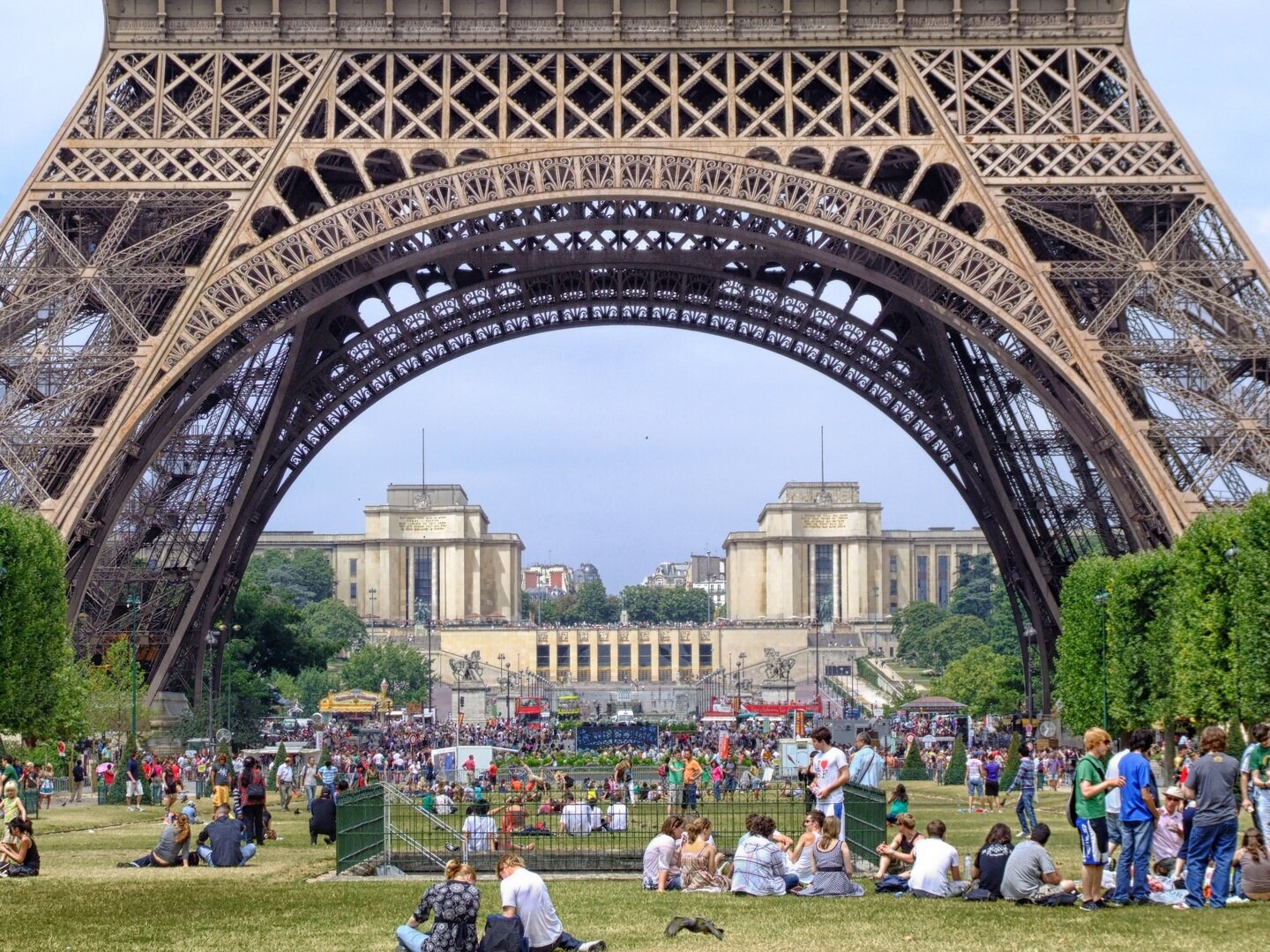
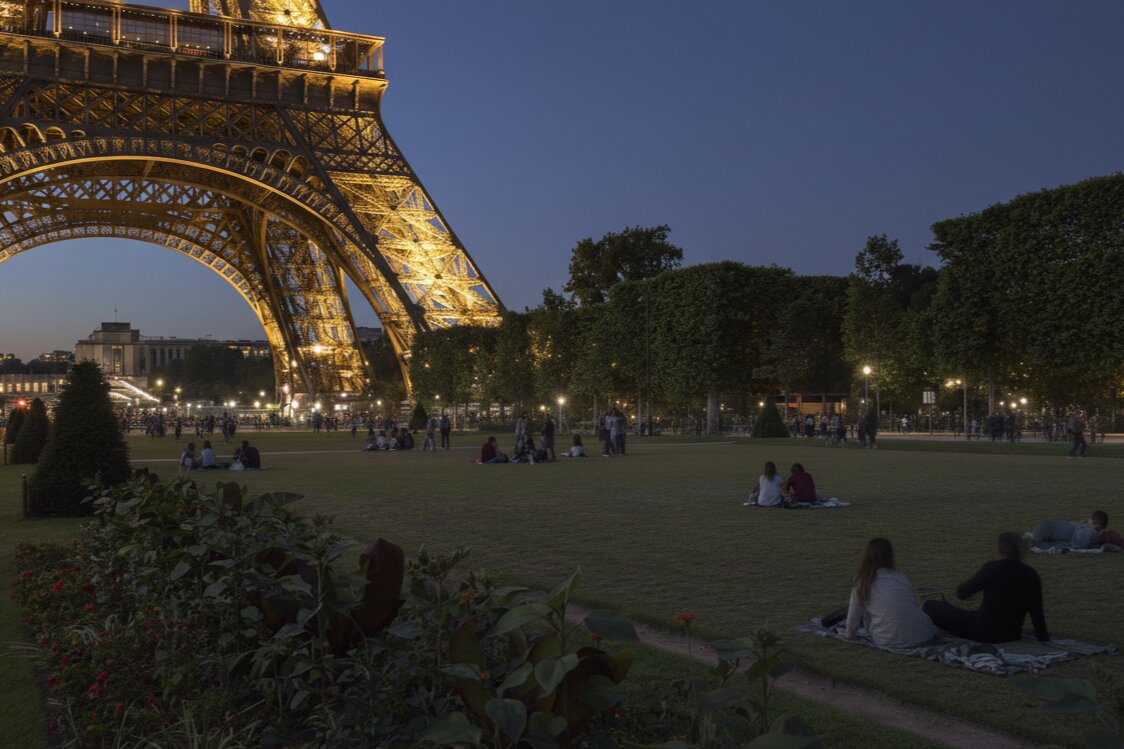
As temperatures rise, the lawns of the Champ de Mars below the Eiffel Tower become an evening living room for the city. Locals stretch out on blankets with simple picnics, couples walk the central paths lined with budding trees, and photographers wait for the moment when the tower’s lights come on against a still-bright sky. In early spring, you may need a light jacket and a scarf; by May, staying outside until the tower’s top sparkles feels effortless.
Walking routes here can be surprisingly varied. You might begin on the Trocadéro side for elevated views, cross the Pont d’Iéna toward the tower, then wander the length of the park as the light changes. Some itineraries pair this area with nearby neighborhoods or with guided climbs of the tower itself, turning a single monument into an extended, open-air experience.
Markets and Flea Markets: Walking for Treasures
Spring is also when Paris’s open-air markets feel most inviting. Neighborhood food markets brim with early strawberries, asparagus, and fresh herbs, while florists overflow with tulips and ranunculus. Wandering these stalls on foot is as much about observing daily life as it is about shopping - watching regulars greet producers, noticing how baskets fill with seasonal favorites, and picking up picnic ingredients as you go.
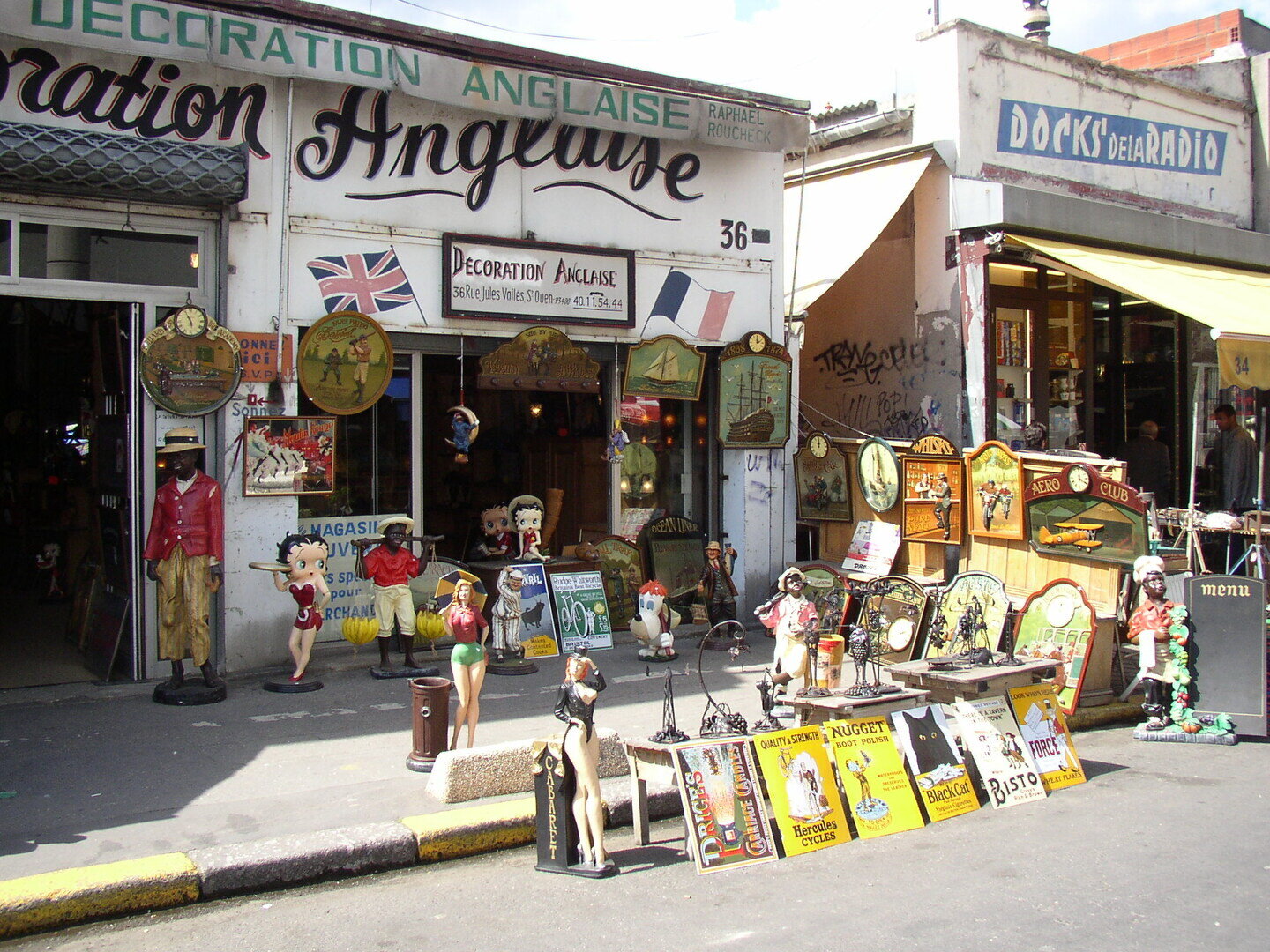
On the northern edge of the city, the Saint-Ouen flea market stretches across a maze of lanes and covered passages. Here, walking is essential: you move from mid-century design pieces to antique books, from vintage clothes to ornate mirrors in a few steps. Cooler spring temperatures make it easier to spend hours exploring without the fatigue of high summer, and early in the season you share the alleys more with locals and collectors than peak-season tour groups.
Versailles Gardens on Foot: A Spring Day Beyond the City
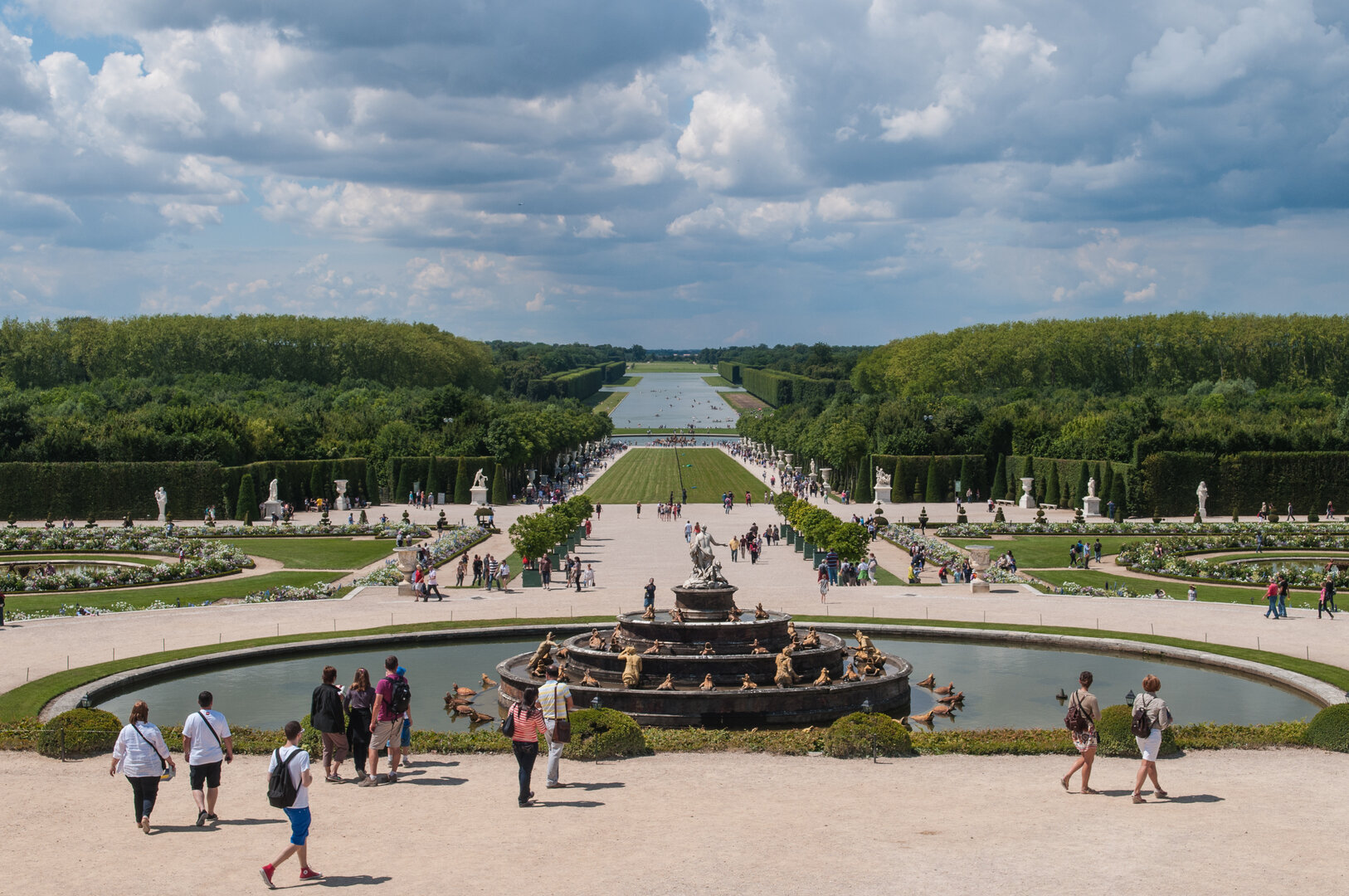
A short journey from Paris, the gardens of Versailles come into their own in spring. From around early April, the estate begins its Musical Gardens and Musical Fountains days, when Baroque music drifts through groves and fountains run on set schedules. Walking here means trading city pavements for long perspectives of clipped hedges, reflecting pools, and woodland paths designed for slow promenades.
You can spend hours exploring the grand axes near the palace or drifting toward the quieter corners around the Grand Trianon and the Queen’s Hamlet. In spring, the air carries the scent of freshly cut grass and new leaves, and the light across the grand canal remains gentle even in the middle of the day. Comfortable shoes and an unhurried mindset are essential; this is less a checklist visit than a day of open-air wandering shaped by the rhythm of the fountains.
Designing Your Own Spring Walking Day
One of the quiet luxuries of visiting Paris in spring is the freedom to design days that unfold primarily on foot. You might begin on Île de la Cité, follow the Seine toward the Louvre, cross into the Tuileries, then continue west before looping back by metro when your energy dips. Or you might dedicate a morning to the Latin Quarter and an evening to Montmartre, linking two very different atmospheres within the same day.
Simple Framework for a Spring Walking Day
- Start early for quieter streets and gentler light around major sites like Notre-Dame or the Eiffel Tower.
- Anchor your route around one or two neighborhoods - such as the historic center, the Left Bank, or Montmartre - rather than trying to circle the entire city.
- Build in pauses at gardens, riverbanks, or café terraces so your day feels paced rather than rushed.
- Watch the sky: if clouds gather, choose a route with covered passages or museums nearby so you can adapt without abandoning the walk entirely.
Whether you join a structured itinerary through the historic core, follow a guide through Montmartre’s hilltop streets, or simply let your curiosity lead you from bridge to garden to market, spring walking in Paris is less about distance than about noticing details. The city reveals itself gradually: in the way light hits a façade after rain, in the scent of wet stone and blooming trees, and in the feeling that each corner turned on foot offers a new perspective on familiar landmarks.
For personalized seasonal routes, help pairing guided walks with your own explorations, and thoughtful advice on timing your spring days in Paris, contact our Tour Concierge at [email protected].