Pastéis de Nata: A Lisbon Pastry Crawl
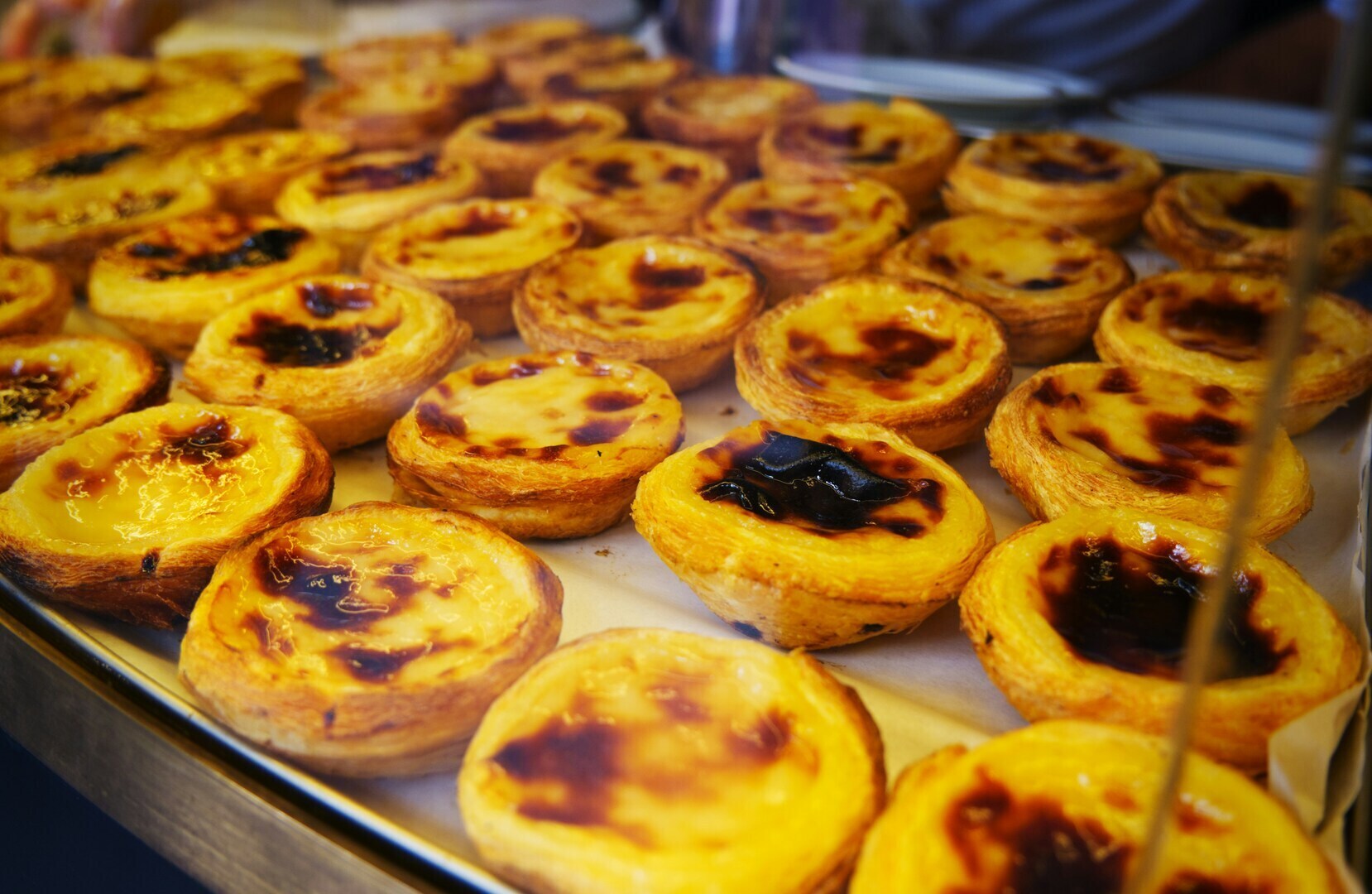
A pastel de nata is a small thing to build a city's identity around - a palm-sized custard tart, crisp and flaky on the outside, warm and faintly wobbling in the middle. But spend two days in Lisbon and you'll notice they're everywhere: stacked in bakery windows before 8am, served in cafés with a coffee at every hour, debated over by locals who each swear by a different address. Here's where the tart came from, how to eat one properly, and where to go beyond the one everyone already knows.
The Original: Pastéis de Belém
The story starts at a monastery. Before Portugal's 1820 liberal revolution, convents and monasteries used large quantities of egg whites to starch clothing and clarify wine, leaving them with a surplus of egg yolks - and a long tradition of turning that surplus into rich pastries and sweets. Monks at the Jerónimos Monastery in Belém, on Lisbon's riverfront, are credited with developing an early version of the custard tart. When the religious orders were dissolved in 1834, a nearby sugar refinery began buying the recipe, and in 1837 opened Fábrica de Pastéis de Belém, which still bakes from the same recipe today.
The recipe itself is famously guarded - kept in a locked room, known in full to only a handful of people at any given time, and legally the only bakery permitted to call its tarts "Pastéis de Belém" rather than the generic "pastel de nata." Every other bakery in Portugal, including some excellent ones, is working from its own version. Expect a line at Belém most of the day; the bakery bakes in large batches and moves people through quickly, so even a long queue rarely takes more than 15-20 minutes.
How to Eat One Properly
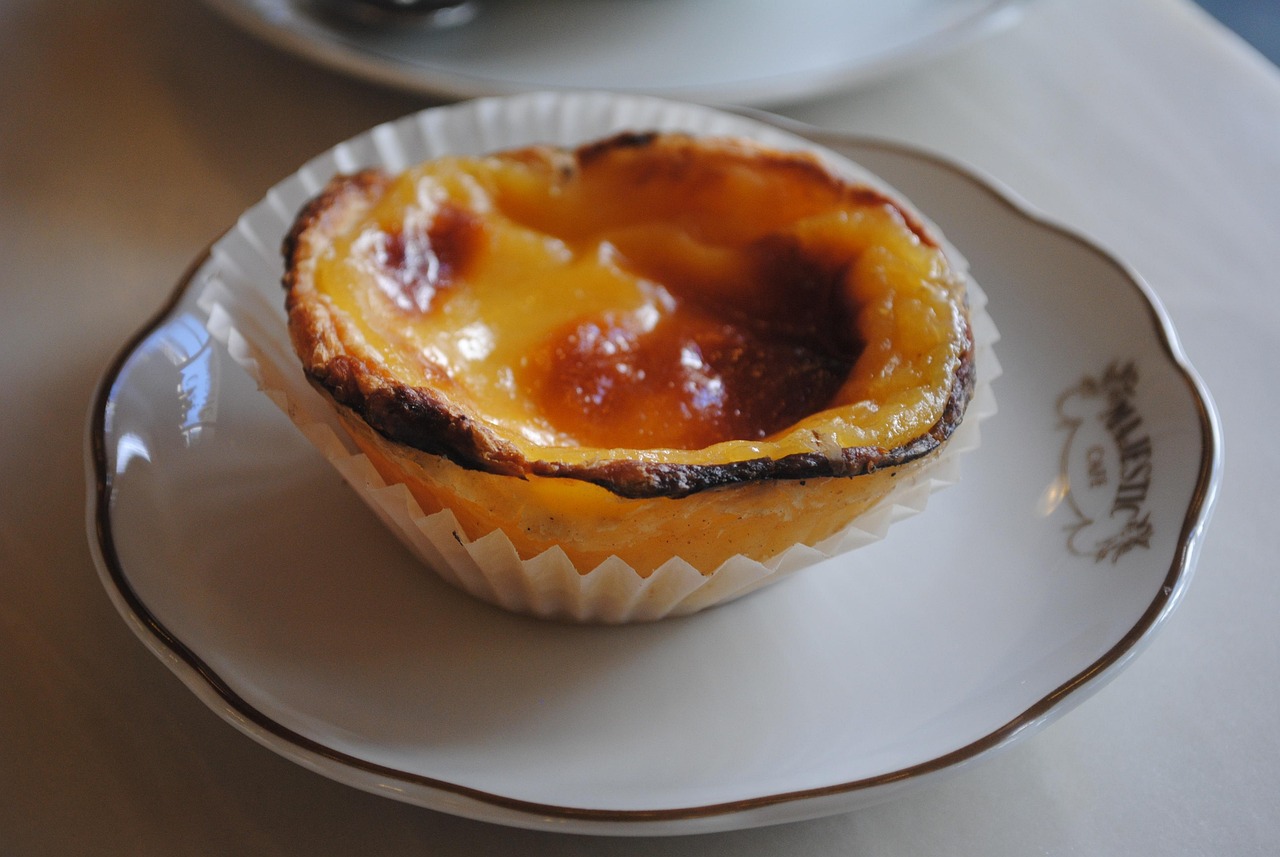
There's a small ritual to it, and it's worth following at least once. A good pastel de nata is served warm, never cold, with a scorched, near-caramelized top over pale yellow custard and a shell of laminated pastry that shatters rather than bends. Cinnamon and powdered sugar sit on the table in shakers, not pre-applied, so you dust your own to taste - a light hand is traditional, though nobody will stop you going heavier. Eat it with your hands, in two or three bites, alongside a small espresso (a "bica" in Lisbon slang); pairing it with anything sweeter tends to fight the custard rather than complement it.
Beyond Belém: Where Else to Go
Belém sits a fair distance from the historic center, and plenty of visitors won't make the trip on every visit - which is fine, because Lisbon's contemporary pastelarias have their own strong followings. Manteigaria, with locations in Chiado and the Time Out Market, bakes in an open kitchen you can watch from the counter, turning out tarts in small, fast batches so they're rarely more than a few minutes out of the oven. In Alfama and the Baixa, smaller neighborhood pastelarias without international name recognition often turn out versions just as good, usually for less than the price of one at a tourist-heavy address.
Pastel de Nata at a Glance:
- Origin: Jerónimos Monastery, Belém, pre-1820s
- First bakery: Fábrica de Pastéis de Belém, opened 1837
- Best served: Warm, dusted with cinnamon and powdered sugar to taste
- Typical price: €1.20 - €1.50 at most pastelarias
- Pairs with: A bica (espresso)
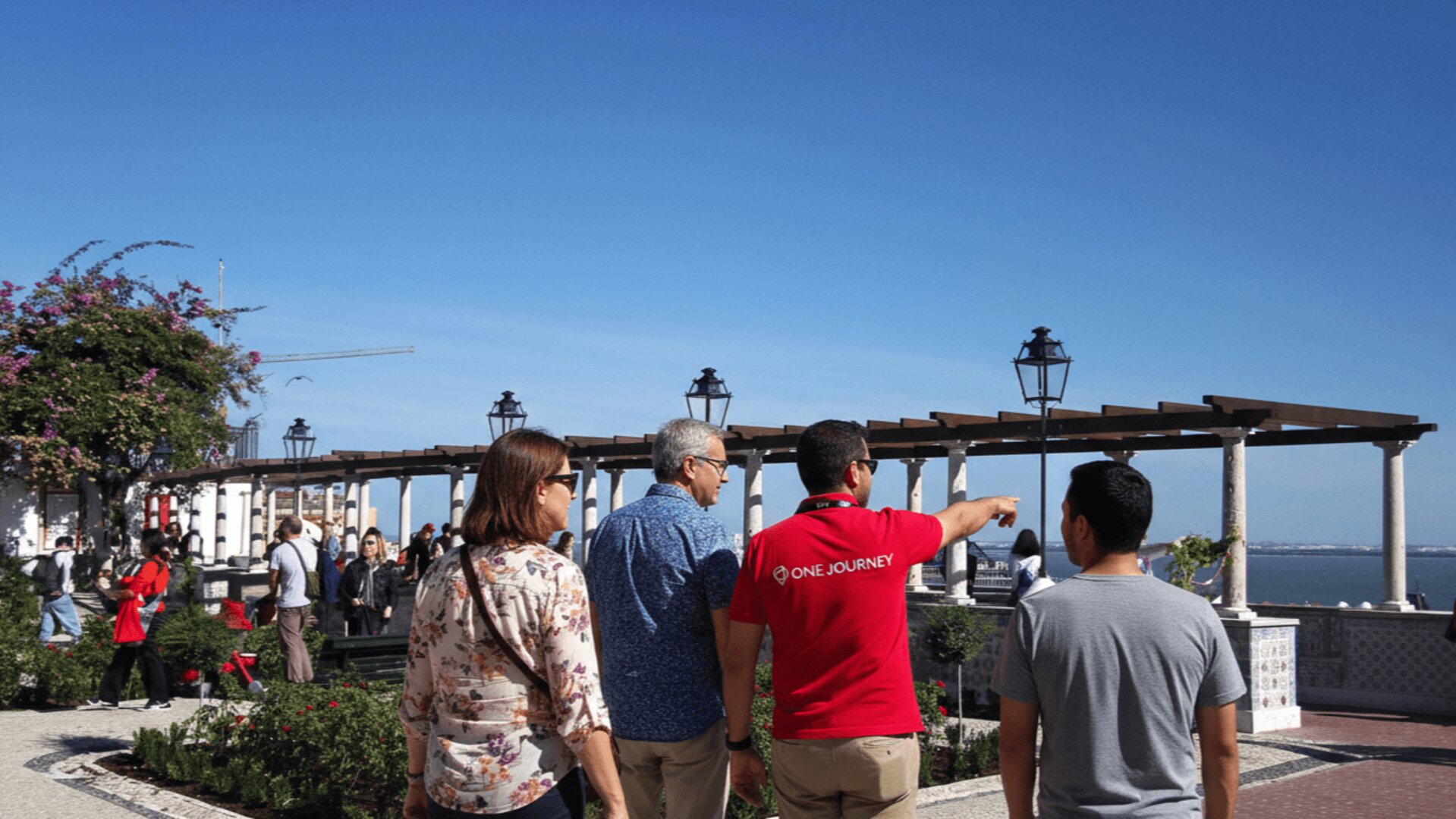
A guided food walk through Alfama or the Baixa is the easiest way to hit several addresses in one afternoon without doing the planning yourself - and to hear the case each stop makes for why theirs is the one worth remembering.
Want a Lisbon food route built around your schedule? Email our Tour Concierge at [email protected] and we'll map out a pastry crawl alongside the rest of your Lisbon itinerary.