Fado in Lisbon: Where to Hear Portugal's Soul Music
Fado means fate. The word captures something essential about the music: it does not celebrate or perform happiness. It holds loss, longing, and the particular Portuguese concept of saudade - a nostalgia for something you may never have had - in a vocal and instrumental form that is unlike anything else in European musical tradition. In 2011, UNESCO added fado to its Intangible Cultural Heritage list. Lisbon's relationship with it is far older and more complicated than any official designation.
For visitors, fado offers one of the most direct ways of encountering Lisbon's emotional interior. But experiencing it well requires a little context and some thought about where to go. This guide covers both.
What Fado Is
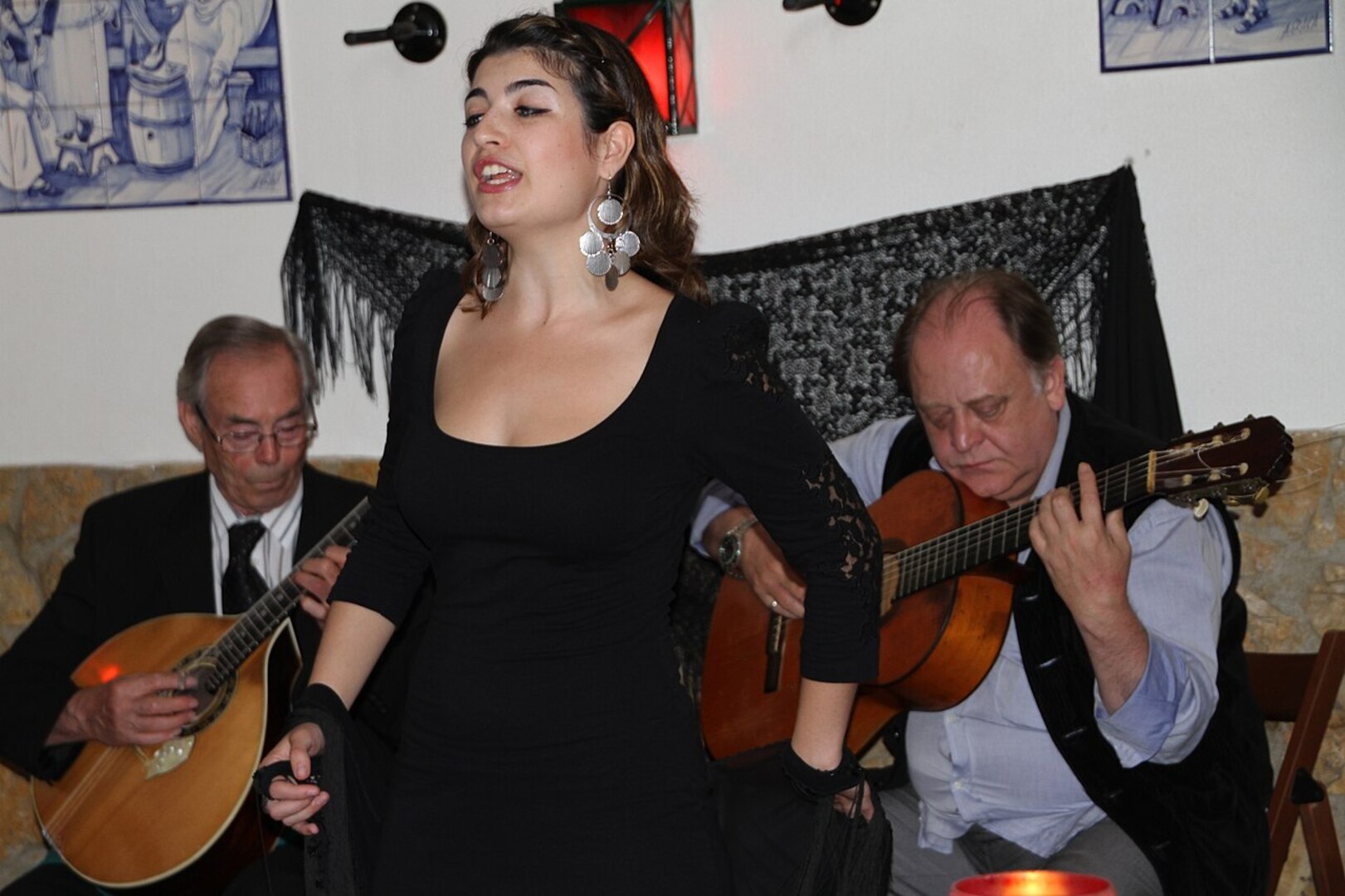
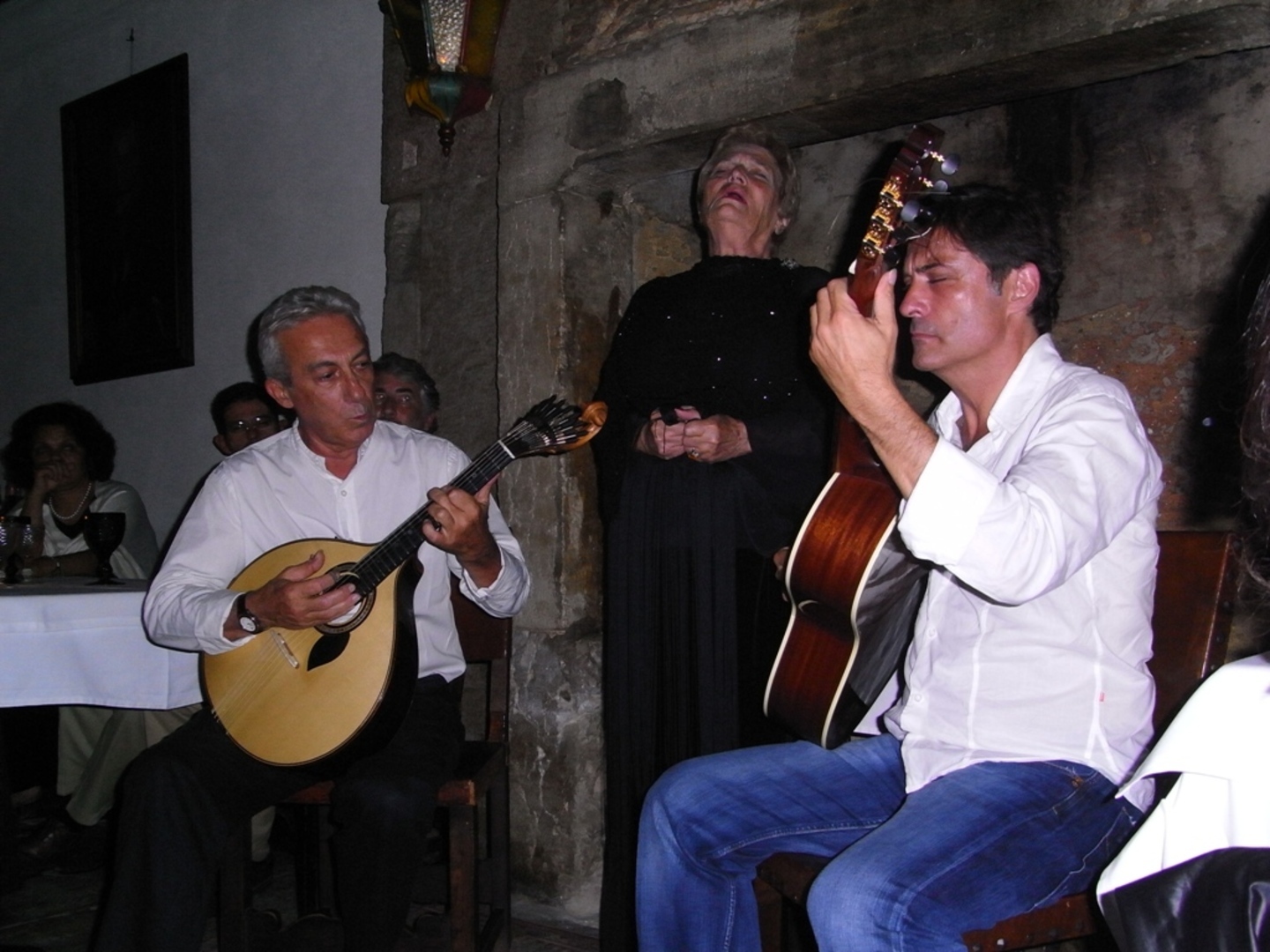
Fado emerged in Lisbon in the early 19th century, though its origins are debated. It draws on African rhythms brought by sailors and traders, Moorish melodic traditions, and the music of the Portuguese working class. The standard fado ensemble is a vocalist (the fadista), a Portuguese guitar (guitarra portuguesa - a twelve-string instrument with a distinctive pear shape and a sound unlike any other guitar), and a viola baixo (a classical guitar providing harmonic bass).
"The guitarra portuguesa has a tone that is simultaneously bright and melancholic - metallic at the attack and warm in the sustain. It sounds like Lisbon looks: luminous on the surface, with something older and sadder underneath."
The vocal style is characterized by vocal ornamentation, dynamic intensity, and an emotional directness that can feel startling to first-time listeners. Silence is expected during performance. Audience members at traditional fado houses do not applaud between verses - only at the end of a complete song.
Alfama: The Heartland of Fado
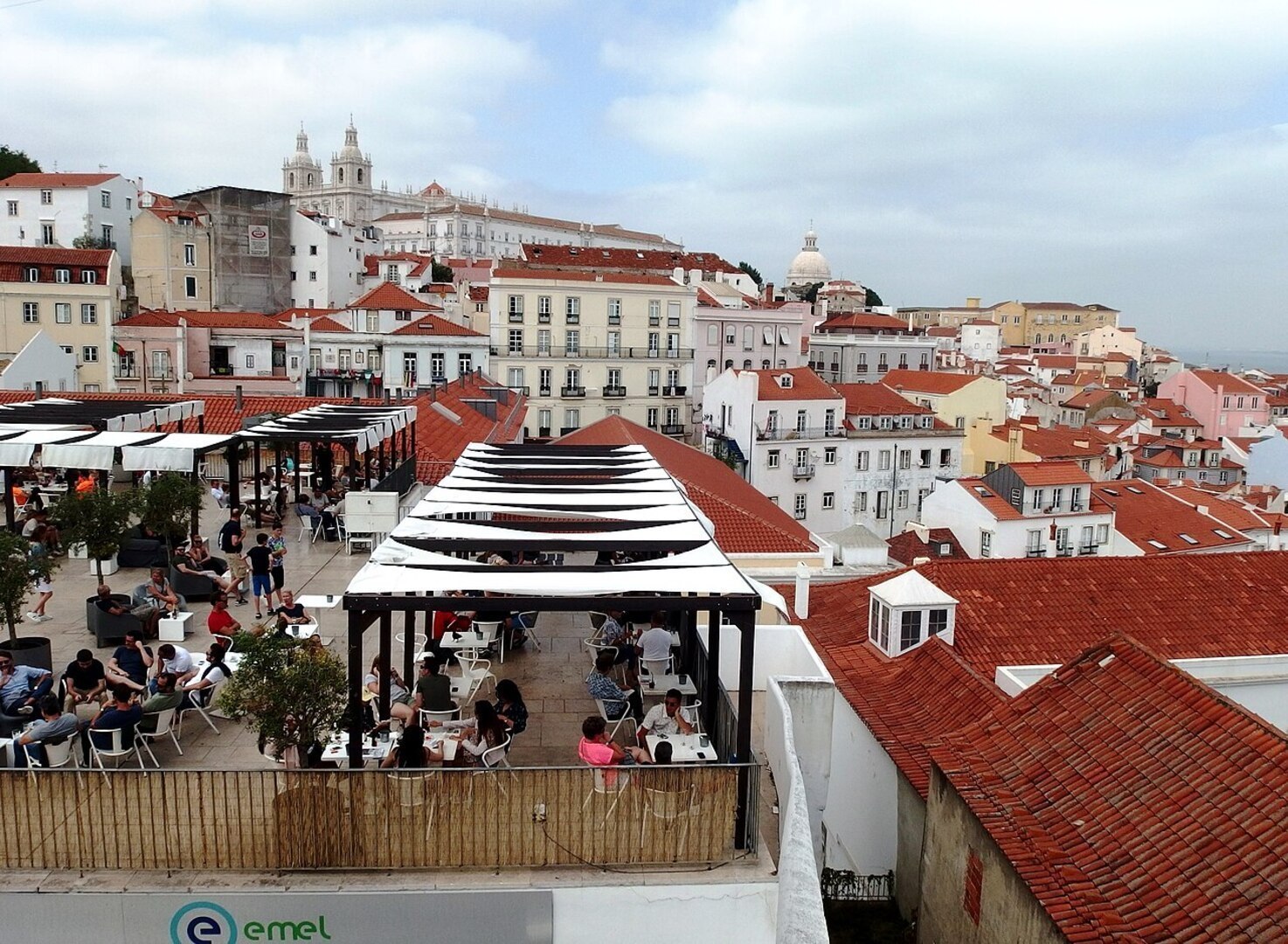
Fado's deepest roots in Lisbon are in Alfama, the city's oldest neighborhood, where the music developed in the taverns and courtyards of the working-class community that lived in and around the castle slopes. Many of the city's most respected fado houses (casas de fado) are located here, and the tradition of informal fado in local taverns - though increasingly rare - still exists in pockets of the neighborhood.
The Lisbon's Royal Views Tour takes in the Alfama slopes and the castle heights - the same terrain where fado developed and still lives. Understanding the neighborhood's geography, its history as a Moorish quarter, and its survival through Lisbon's 1755 earthquake gives the music a specific physical context that enriches the evening experience of hearing it there.
Types of Fado Experience in Lisbon
Where to hear fado in Lisbon:
- Traditional fado houses (casas de fado): Full-evening experiences, typically combining a set dinner with multiple sets of fado performed by a rotating cast of singers and guitarists. The food is secondary; the music is why you are there. Established addresses include Clube de Fado (near the Cathedral), Sr. Vinho (Lapa), and Mesa de Frades (Alfama, intimate and well-regarded).
- Fado venues without dinner: Some smaller venues operate as music-only spaces with a drinks minimum. These tend to attract a more local audience and feel less like a tourist production. A Tasca do Chico (Bairro Alto) is a well-known example - small, undecorated, and genuinely focused on the music.
- Museu do Fado: The dedicated fado museum in Alfama (Largo do Chafariz de Dentro) provides historical and cultural context for the music through instruments, recordings, photography, and memorabilia. Occasional live performances are programmed on-site. A worthwhile visit even if you plan to attend a fado house separately.
- Informal tavern fado: Spontaneous or semi-planned fado in neighborhood tascos (local taverns) exists but is genuinely rare and unpredictable. If you encounter it, the etiquette is silence and presence - not cameras.
Planning a Fado Evening
Fado houses typically begin their first session around 8pm and run until midnight or later. Reservations are strongly recommended for traditional casas de fado, particularly in spring and summer when demand from visitors is highest. Most venues accept bookings by phone or online; a few require advance booking to enter at all.
Dress is smart casual at most fado houses - not formal, but the atmosphere is serious enough that arriving in walking attire would feel inconsistent with the setting. Evenings in Alfama in May are warm enough that a short walk from your accommodation to the venue is pleasant and worth the orientation it provides in the neighborhood.
How to Hear Fado Well
- Arrive early: Being seated before the first session starts allows you to settle, order, and absorb the room before the music begins. Arriving mid-session disrupts the atmosphere.
- Silence during performance: Conversation, phone use, and applause between verses are all considered disrespectful at traditional venues. The audience is expected to be fully present.
- Learn a few words before you go: Understanding even a handful of recurring fado themes - saudade, the sea, loss, fate - transforms the listening experience from observation to participation.
- Choose smaller over larger: Larger fado restaurants are not necessarily worse, but smaller venues with fewer seats tend to create a more intense, less produced atmosphere.
- Visit the Museu do Fado first: Even a brief hour in the museum before an evening fado house booking significantly deepens what you hear later.
For help planning your Lisbon evenings, including fado recommendations and guided neighborhood experiences in Alfama, contact our Tour Concierge at [email protected].