Europe Tours Spring: What Reopens After Snow Melts
By late March, Europe begins to exhale. Snow retreats from castle steps, café chairs reappear on cobbled squares, and rivers that spent winter as quiet backdrops become stages for evening walks and boat cruises again. Spring 2026 brings longer light, milder days, and the quiet thrill of seeing familiar cities - Paris, Lisbon, Prague - move their lives back outdoors.
Rather than asking where to go, this season invites a different question: what returns? Gardens reopen, fountains start to dance again, seasonal markets set up their stalls, and guided experiences stretch into the soft evening. For travelers planning Europe tours in spring 2026, understanding these subtle reopenings can shape an itinerary that feels closely tuned to the rhythm of the continent itself.
Why Spring 2026 Matters on the Calendar
Spring is always a shoulder season in Europe, but the details of each year matter. In 2026, Easter Sunday falls on 5 April, which means the weeks around late March and early April will see Easter markets in Central Europe, family holidays in Western Europe, and a gentle rise in demand before summer truly arrives.
From roughly mid-March through the end of May, the continent moves through three distinct phases: a late-winter transition where you still feel a chill on morning bridges; a blossom-filled April where days are comfortable but evenings call for a scarf; and a bright May that already looks and feels close to summer. Across this arc, cities like Paris, Lisbon, and Prague begin reopening spaces and experiences that either paused or quieted through winter.
“Spring is less about adding new places to a map and more about watching familiar ones change character as light, color, and sound return.”
Paris: When the City Moves Back Outdoors
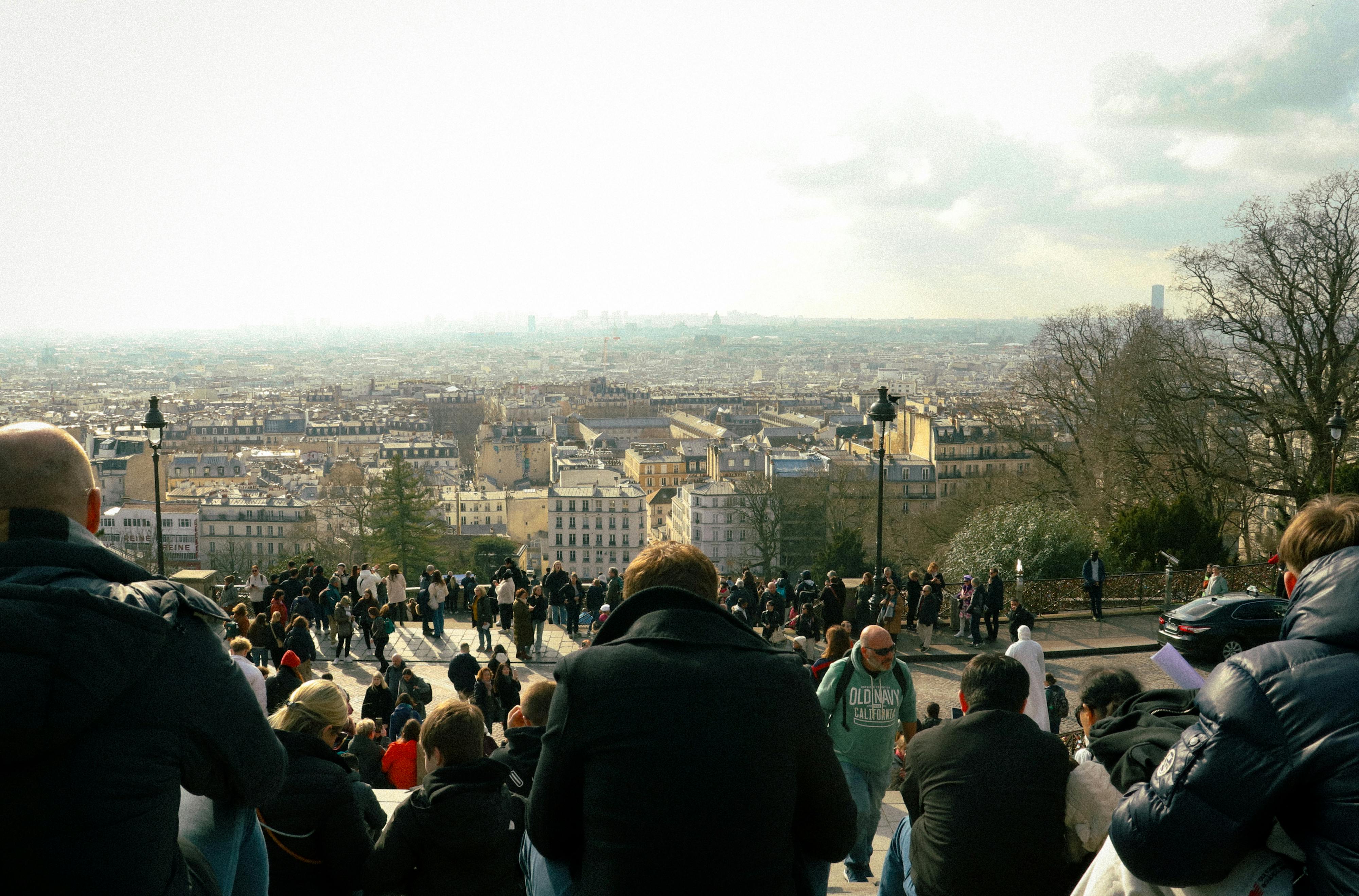
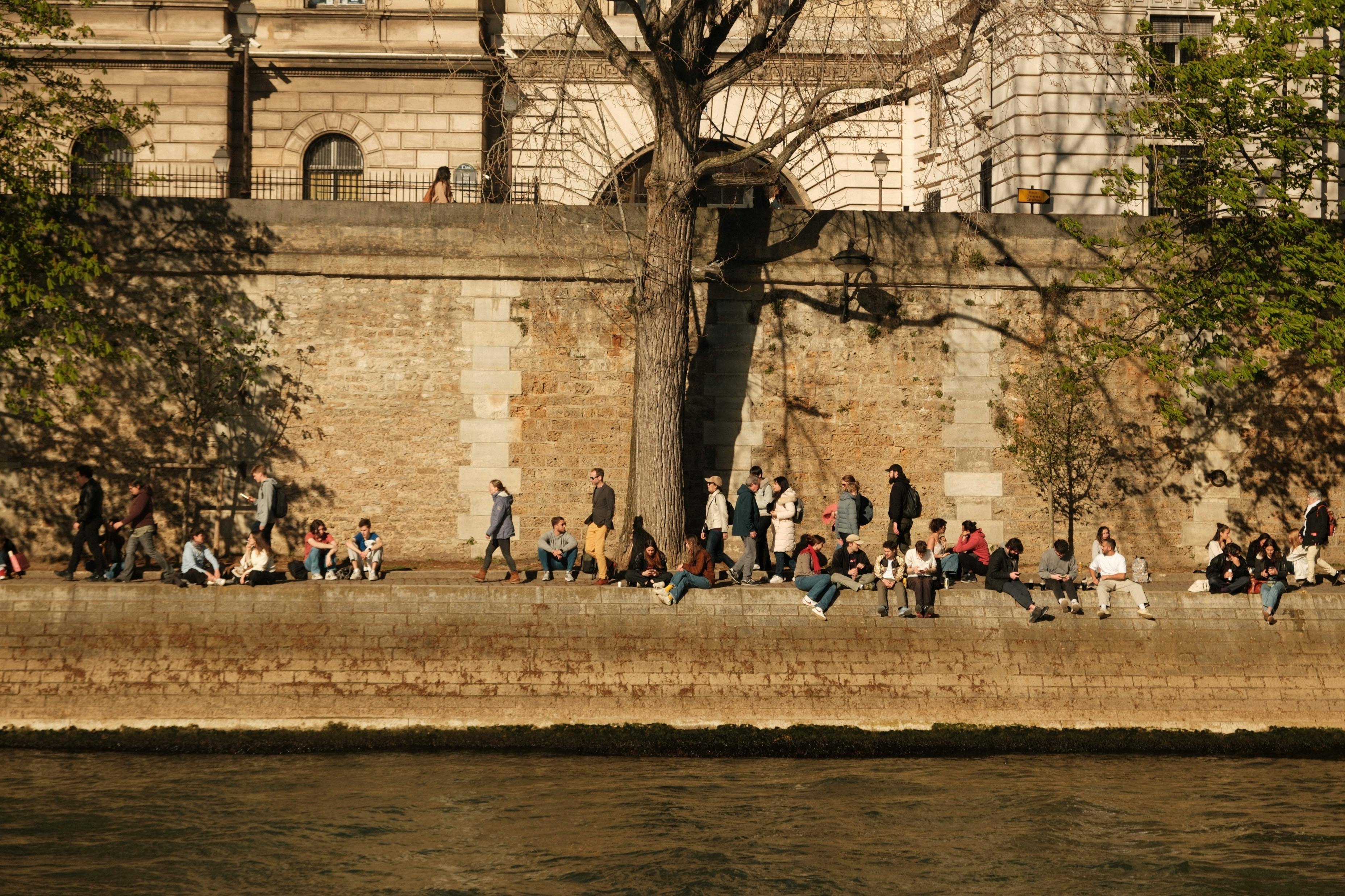
Paris never truly “closes” for winter - its museums, cafés, and grand boulevards are alive year-round. But what reopens in spring is a way of inhabiting the city. By late March, café terraces stretch further into the pavements of Saint-Germain and the Marais, the banks of the Seine fill with after-work picnics, and stairways up to Montmartre feel less like a bracing climb and more like an invitation.
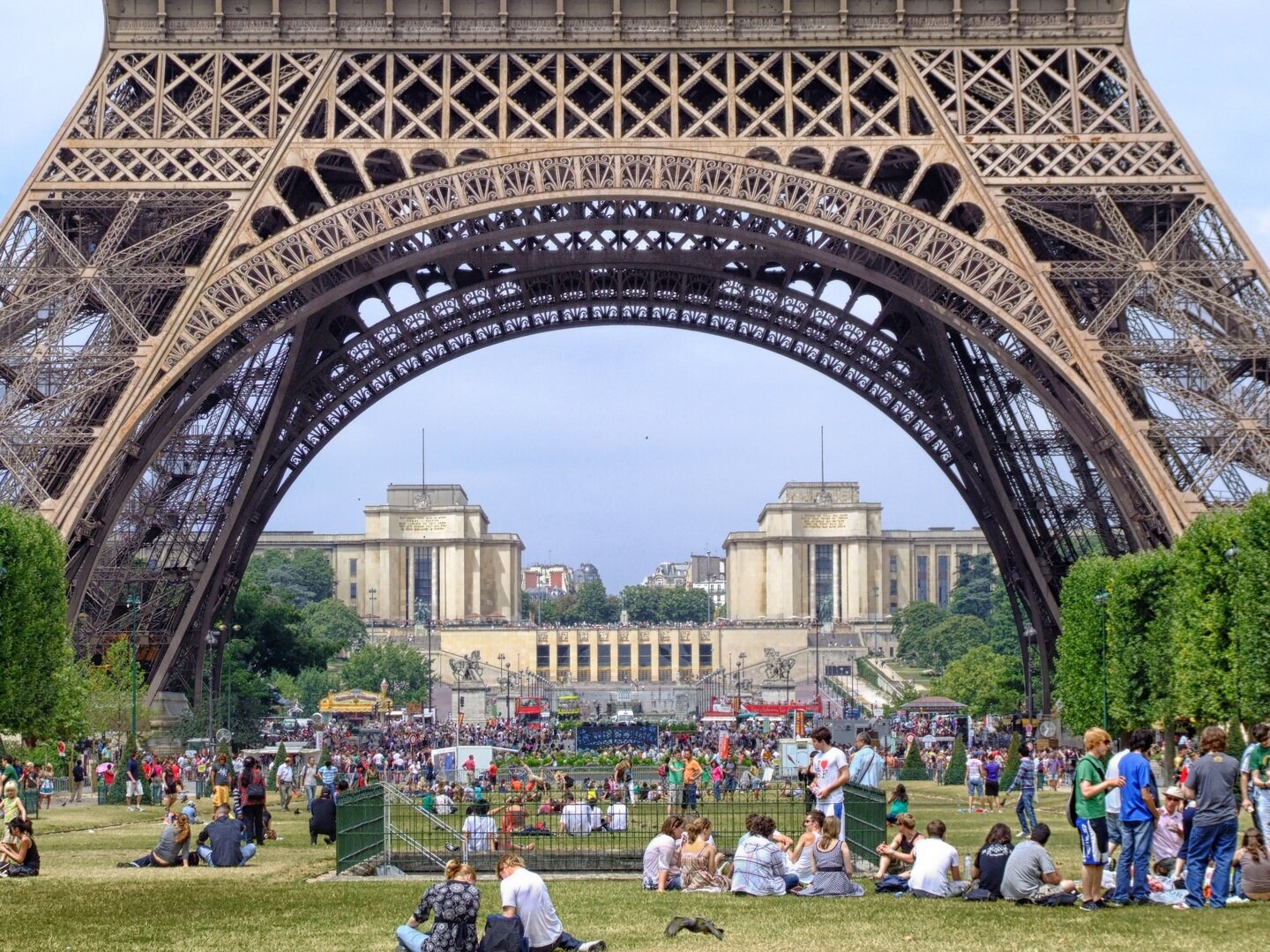
At the Eiffel Tower, climbing tours become especially atmospheric in spring: the air is cool enough to make the ascent comfortable, yet the days are long enough that late-afternoon departures still catch views in natural light. On clearer evenings, the transition from pastel sunset to the tower’s hourly sparkle feels like a small performance in itself, best appreciated from the Trocadéro terraces or the Champ de Mars lawns once they are green again.
Beyond the icons, seasonal rhythms return in more subtle ways. The formal gardens around the Louvre and Tuileries tighten their hedges and reopen more of their pathways. In the 16th arrondissement, the modern glass sails of sites like the Fondation Louis Vuitton are framed by trees just beginning to leaf out, creating softer reflections than you see in stark winter light. And at Saint-Ouen, the city’s vast flea market in the north, wandering narrow alleys of antiques feels less hurried when you are not racing the cold.
What typically returns in Paris between March and May:
- Longer opening hours at major landmarks, allowing evening visits without full darkness.
- Gardens and palace grounds (including Versailles) shifting from winter silhouettes to full fountain and parterre displays on selected spring days.
- Flea markets, neighborhood food streets, and Montmartre’s stairways becoming comfortable to explore without heavy winter layers.
Lisbon: Atlantic Light and Waterfront Districts
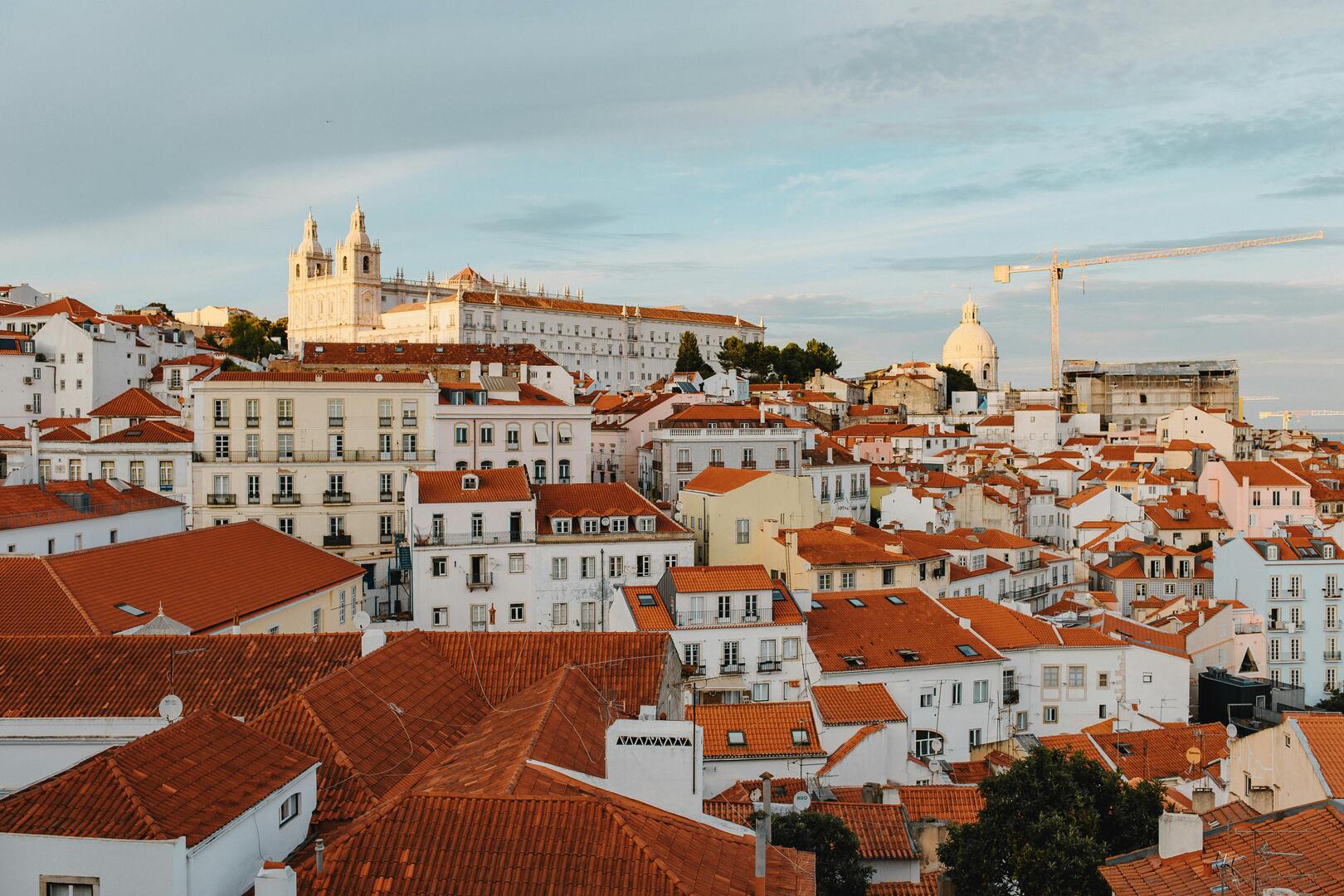
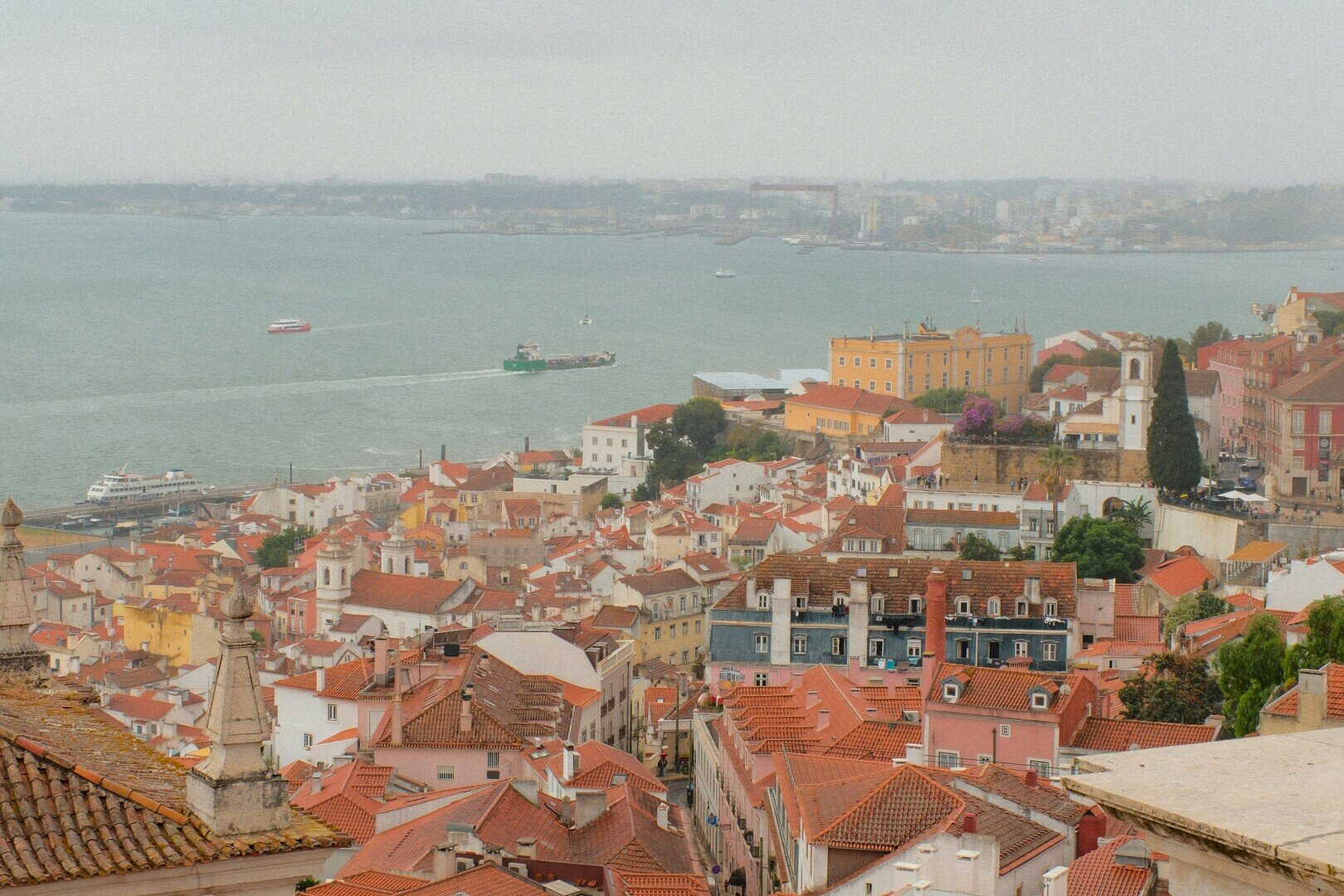
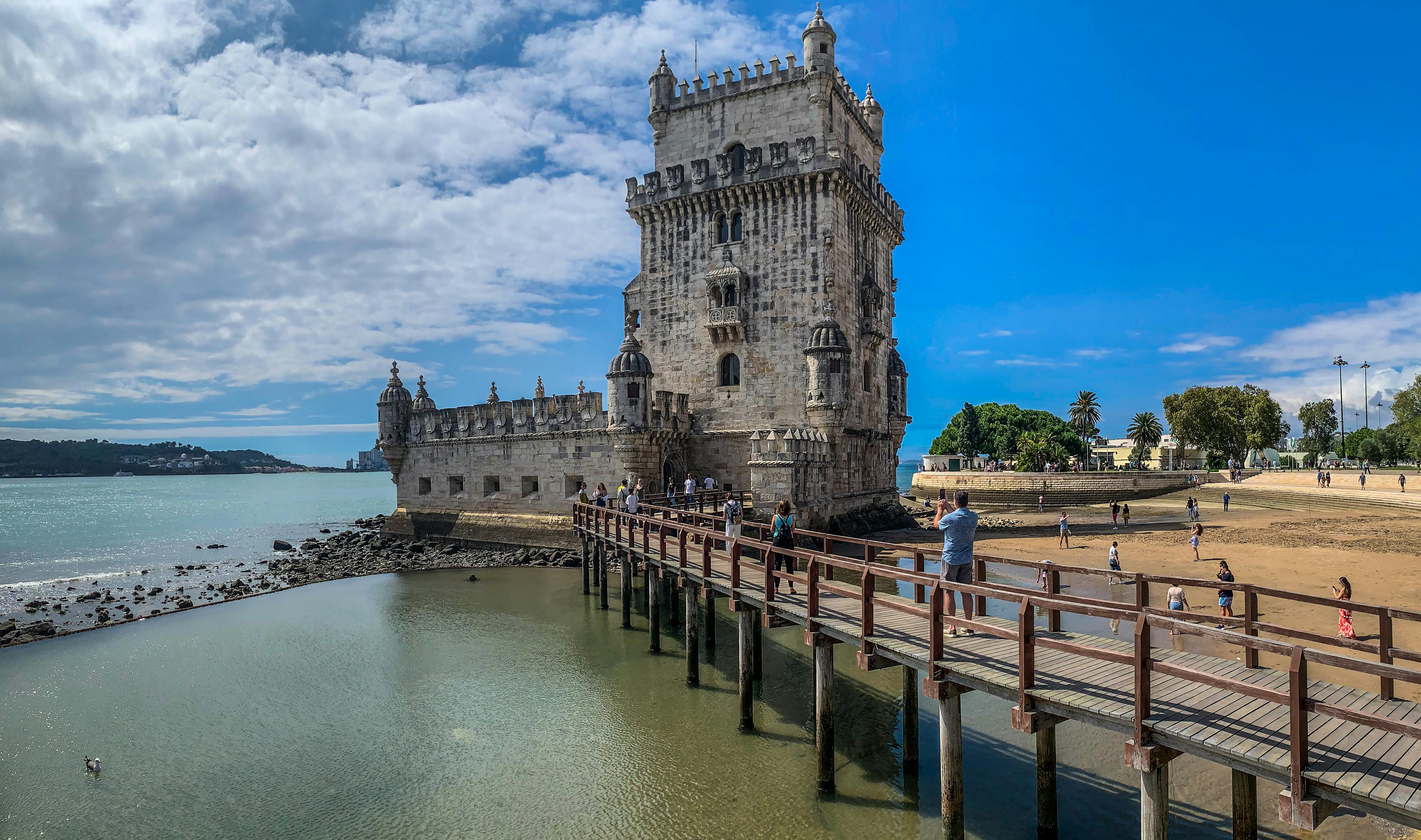
In Lisbon, spring is less about snow melt and more about light returning in long, slanting bands. The Atlantic wind softens just enough that the Belém waterfront fills again with cyclists, joggers, and visitors pausing beneath the Discoveries Monument or circling the base of Belém Tower. Trams rattle up into the hills of Alfama and Graça all winter, but in spring their open windows carry the sound of street musicians and church bells back into the streets.
Many of Lisbon’s grand viewpoints - miradouros looking over the Tagus and the red rooftops - feel especially inviting from April onward. It is the season when an evening stroll from Largo do Chiado up toward São Pedro de Alcântara, or further still to the castle quarter, rewards you with warm air and clear views rather than sharp wind. Walking tours along the city’s grand avenues and through its older quarters can stretch into the blue hour without the early winter darkness cutting them short.
Spring also marks the start of easier day trips along the coast. While the Atlantic remains cool for swimming until later in the year, routes toward Cascais and Estoril become pleasant again in April and May, with seaside promenades and esplanade cafés reopening more of their seating. For travelers planning Lisbon-based journeys, this is when a morning among monasteries and maritime monuments in Belém can blend naturally into an afternoon by the water.
Prague: Castles, Courtyards, and Easter Markets
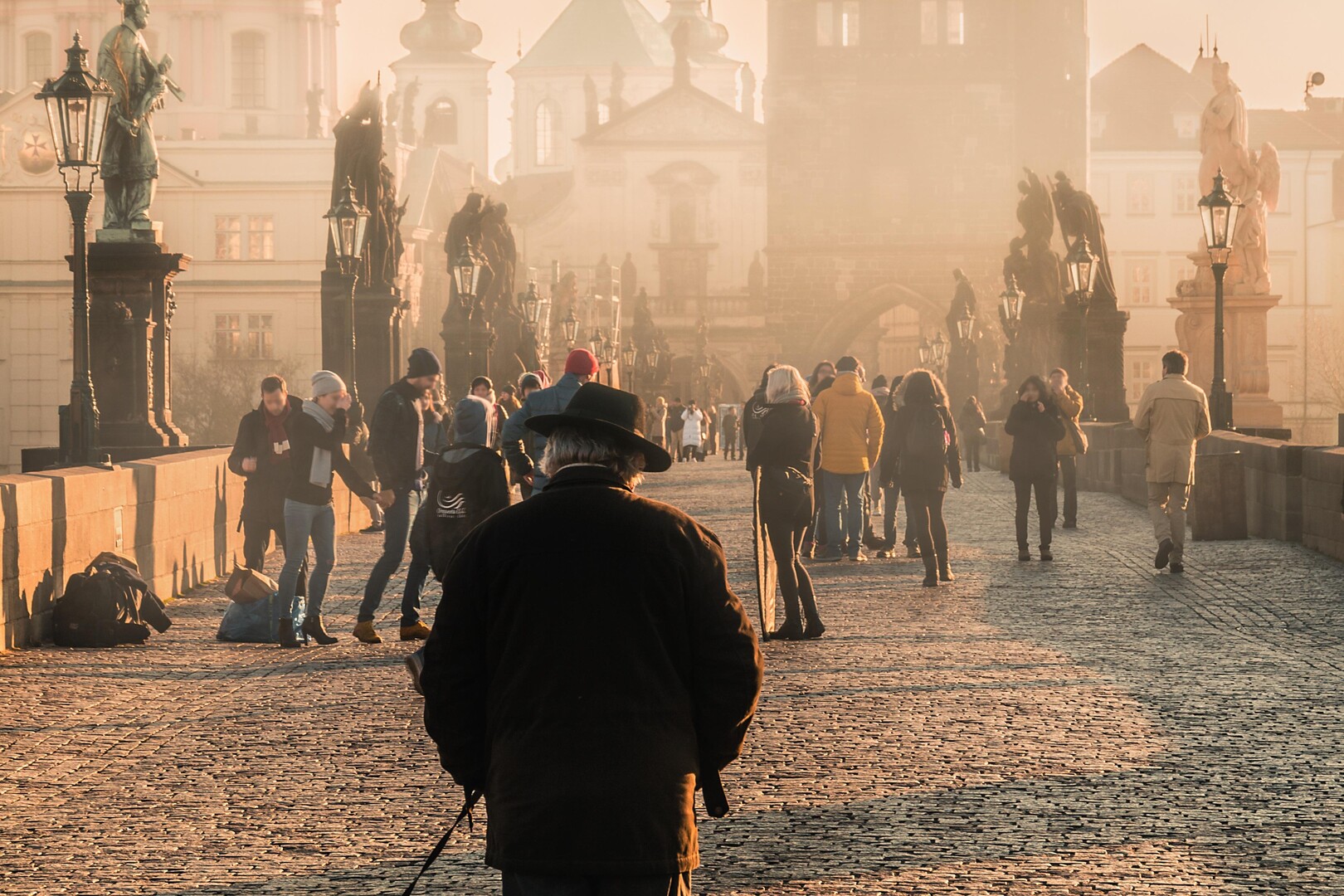
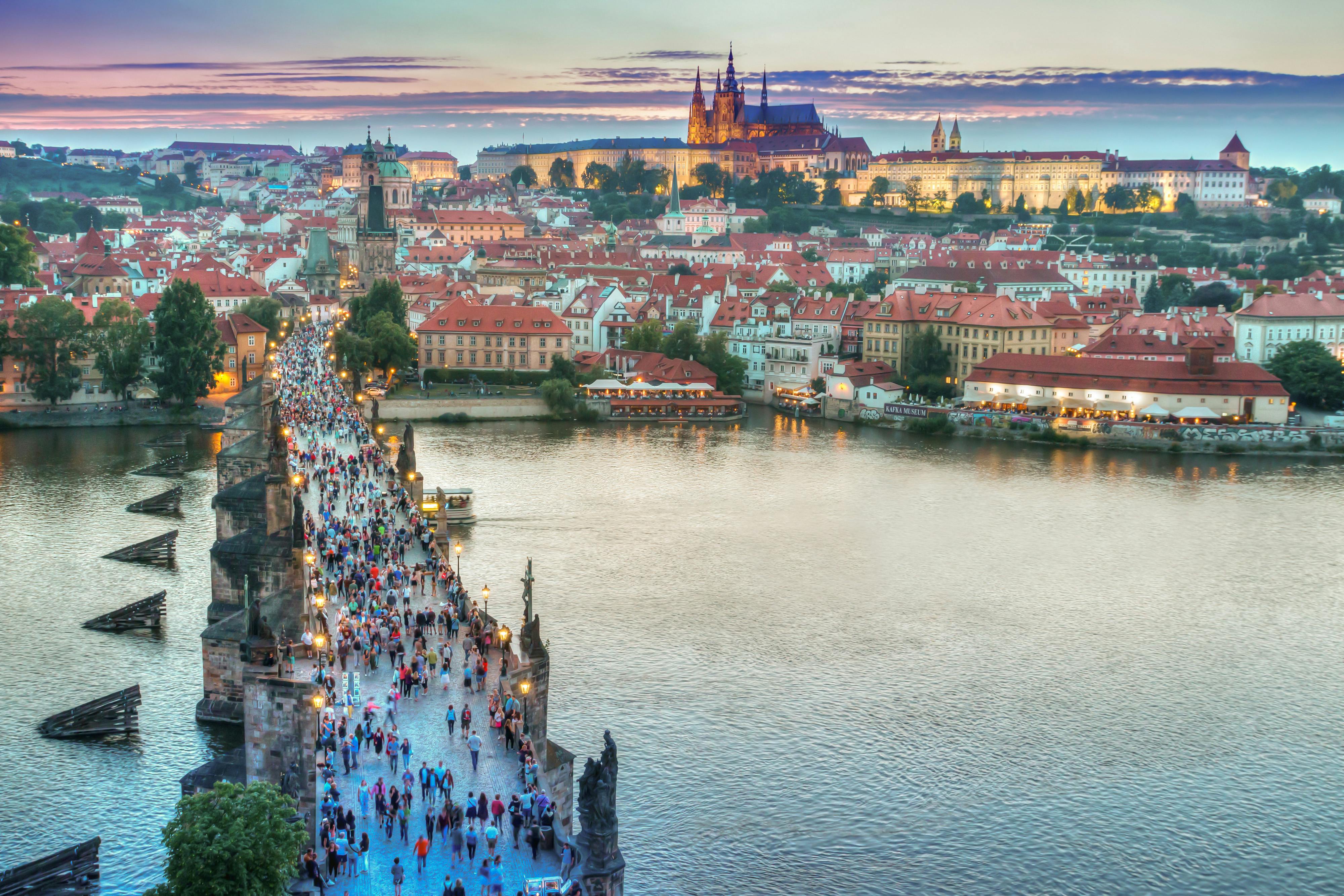
Prague feels particularly transformed by spring because of how closely its architecture and river are tied to the weather. In winter, the climb up to Prague Castle often means icy cobblestones and muted views. By April, those same paths are framed by blossoming trees, and the castle’s courtyards feel less like stone fortresses and more like lived-in spaces again.
Several of the city’s most evocative green spaces - formal gardens beneath the castle walls, baroque terraces near the Klementinum, riverside parks along the Vltava - typically reopen or extend their hours as temperatures rise. It is in these weeks that a private visit to interior landmarks can be balanced with quiet time in adjoining courtyards, giving you both architectural detail and a sense of how Prague breathes between its monuments.
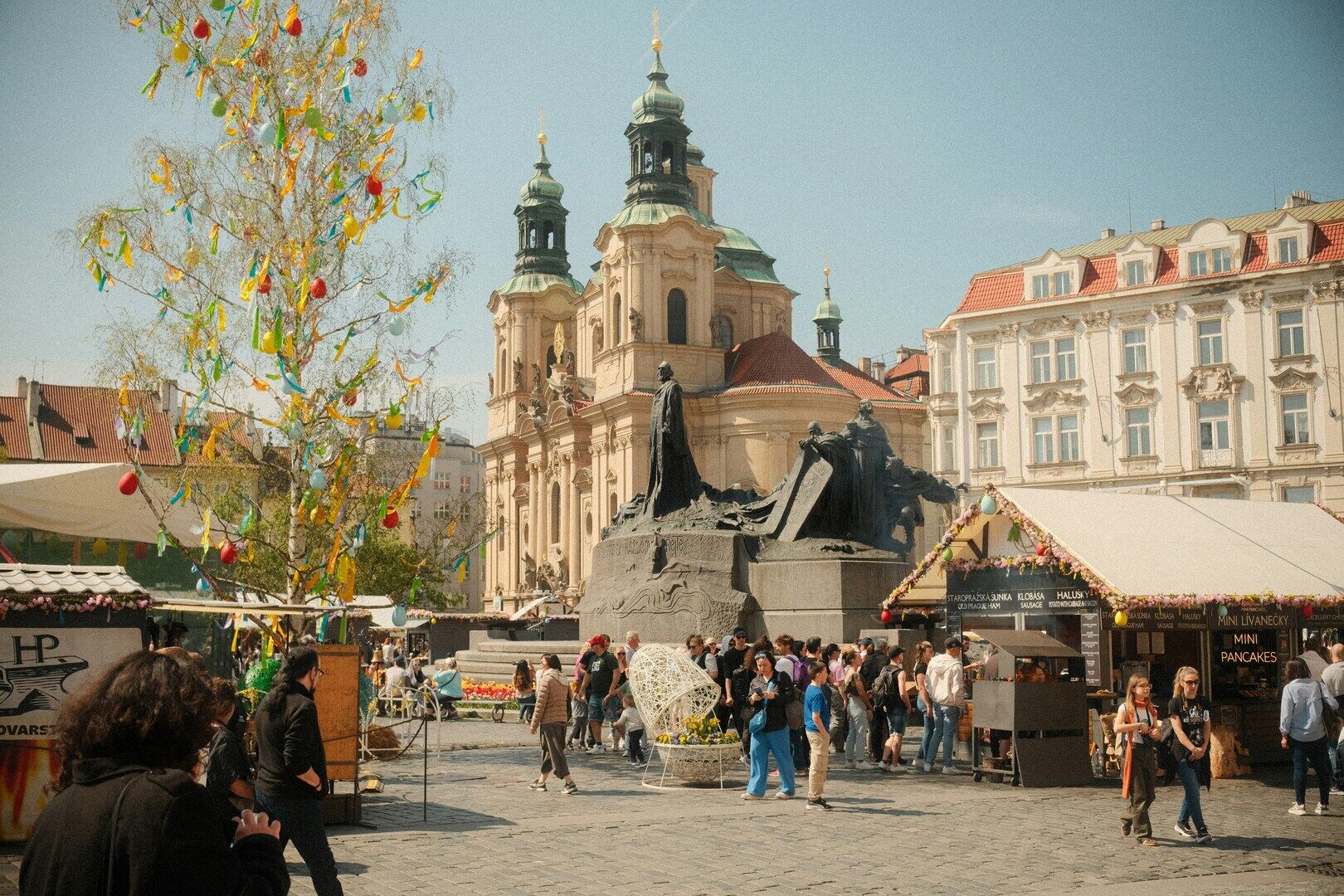
Around the same time, seasonal markets return. Easter stalls usually appear on Old Town Square and Wenceslas Square in the weeks surrounding the holiday, bringing painted eggs, carved wooden toys, and the smell of grilled trdelník into the historic center. Evening river cruises, which can feel purely practical in winter, become a gentle way to watch the city’s bridges, towers, and facades pick up the last light of the day.
What “Reopening” Really Means in Europe
Major museums, cathedrals, and city-center landmarks in Paris, Lisbon, and Prague remain open through winter, with only a handful of exceptions. What changes in spring is less about a simple open - closed switch, and more about degrees of access and atmosphere: terraces and gardens that were locked or dormant begin to welcome visitors, evening tours can use natural light for longer, and seasonal infrastructure - boat routes, outdoor markets, rooftop bars - returns in stages.
In practical terms, this means a spring 2026 itinerary can rely on year-round anchors such as the Louvre, Belém Tower, or Prague’s Old Town Hall, then weave in newly available layers: palace grounds at Versailles or in Lisbon’s hilltop districts, riverbank promenades, castle gardens, and neighborhood squares that only fully make sense when people linger outside.
Across Paris, Lisbon, and Prague, expect these shifts as winter ends:
- Formal gardens, palace parks, and castle terraces reopening or extending hours.
- River activity increasing - more frequent sightseeing cruises and livelier embankments.
- Seasonal markets and outdoor food stalls returning, especially around Easter.
- Guided walks and climbing experiences scheduled later in the day thanks to longer light.
Designing a Spring Journey Around One Journey Cities
Because Paris, Lisbon, and Prague all remain active year-round, spring itineraries are less about avoiding closures and more about capturing a particular mood in each place. A week could be devoted entirely to one city, using reopened gardens and extended evening hours to slow down within a single urban landscape. Or you might link two cities over ten days - Paris and Lisbon connected by a short flight, or Prague paired with Paris for a contrast between Central European stone and Western European boulevards.
In each of these destinations, guided experiences bring an extra layer in spring. Eiffel Tower climbs and Seine-side walks, Alfama hill routes and Belém waterfront tours, or private visits to Prague Castle and Old Town interiors all interact differently with longer days and milder air than they do in winter. Choosing a mix of structured tours and open hours leaves room for the serendipity that spring travel naturally encourages: lingering at a riverside bench a little longer, taking an unplanned detour into a blooming courtyard, or staying out simply because the sky is still light.
Practical Tips for Spring 2026 in Paris, Lisbon, and Prague
Planning around reopenings does not require precision, but a few thoughtful choices make a spring 2026 journey smoother and more rewarding.
- Think in weeks, not days. Late March into early April is ideal for quieter streets and Easter markets; late April and May favour extended garden hours and reliably mild evenings.
- Watch holiday dates. Easter weekend (4 - 6 April 2026 for most travelers) can bring reduced opening hours in some places and special programming in others - excellent for atmosphere, but worth planning around.
- Layer, don’t over-pack. All three cities can swing from cool mornings to warm afternoons. Light layers, a compact umbrella, and comfortable walking shoes matter more than heavy outerwear.
- Reserve anchors, leave space around them. Book fixed-entry experiences - tower visits, castle interiors, major museums - then keep surrounding mornings or evenings open to slip in spontaneous garden walks or riverfront time if the weather is kind.
- Arrive with a flexible mind-set. Spring in Europe is defined as much by fleeting moments - blossoms along a tram line, a sunset over rooftops - as by any single must-see landmark.
For tailored suggestions on combining Paris, Lisbon, and Prague in spring 2026 - and for help aligning guided experiences with seasonal reopenings - contact our Tour Concierge at [email protected].