Eiffel Tower Elevator Guide: Wait Times, Floors, and How to Avoid Long Lines
More than six million people ride the Eiffel Tower’s elevators each year, gliding through its iron lattice to the three public levels that top out at around 276 meters above Paris. Those graceful cabins are the only practical way to reach the upper floors - but they are also where most visitors lose time in queues. This guide focuses on the elevators themselves: how they work, which floors they serve, realistic wait times, and smart ways to experience the Iron Lady while spending more time in the views than in line.
How the Eiffel Tower Is Laid Out
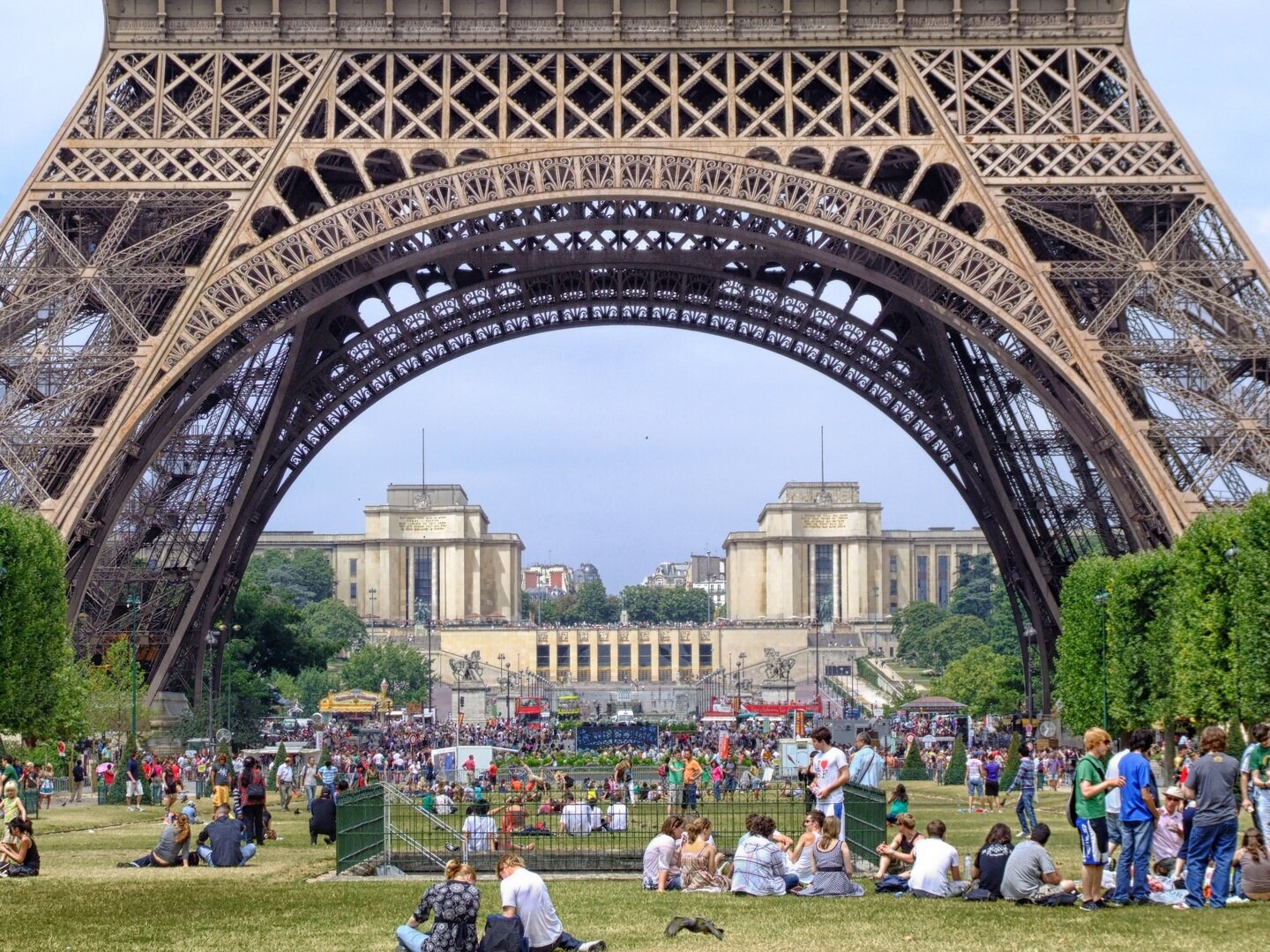
The Eiffel Tower is a 330 meter lattice tower on the Champ de Mars, with three levels open to visitors. The first floor sits at roughly 57 meters, the second at about 116 meters, and the top observation deck just under 276 meters, making it the highest public viewpoint in the European Union. Each level offers a different perspective: the first floor’s glass floor and exhibits, the second floor’s classic postcard panoramas, and the summit’s open-air gallery and Gustave Eiffel’s restored private apartment.
Access is by elevators from the tower’s legs or by stairs to the first and second floors. In theory you can climb more than 600 steps to the second level; in practice, most visitors use the elevators for at least part of the journey, especially when continuing to the summit, which is reached only by lift.
(1st, 2nd, summit)
including service lifts
to the 2nd floor
upper observation deck
Your Options: Stairs vs. Elevators
Visitors choose between three main ticket types: elevator to the second floor, elevator to the summit (via the second floor), or stairs to the second floor with an optional summit elevator add-on. The stairs follow the legs of the tower and are a steady climb with simple handrails and landings for breaks; they suit reasonably fit travelers who are comfortable with heights. In return, you get a quieter, more gradual introduction to the views and shorter security lines at peak times.
Elevators are the right choice if you are traveling with children, have limited mobility, or simply want to conserve energy for the rest of your day in Paris. Elevators are also the only way to reach the summit. Even if you plan to take the lifts, it can be worth walking down from the second floor afterwards - the descent is gentler on knees and gives you extra time with the structure and skyline.
How the Elevators Work - By Pillar and Floor
The Eiffel Tower has a surprisingly intricate elevator system that has been modernised repeatedly since 1889 while preserving key historic machinery. Understanding which cabins serve which floors helps you read your ticket and set expectations once you arrive.
| Elevator | Route | Who uses it | Good to know |
|---|---|---|---|
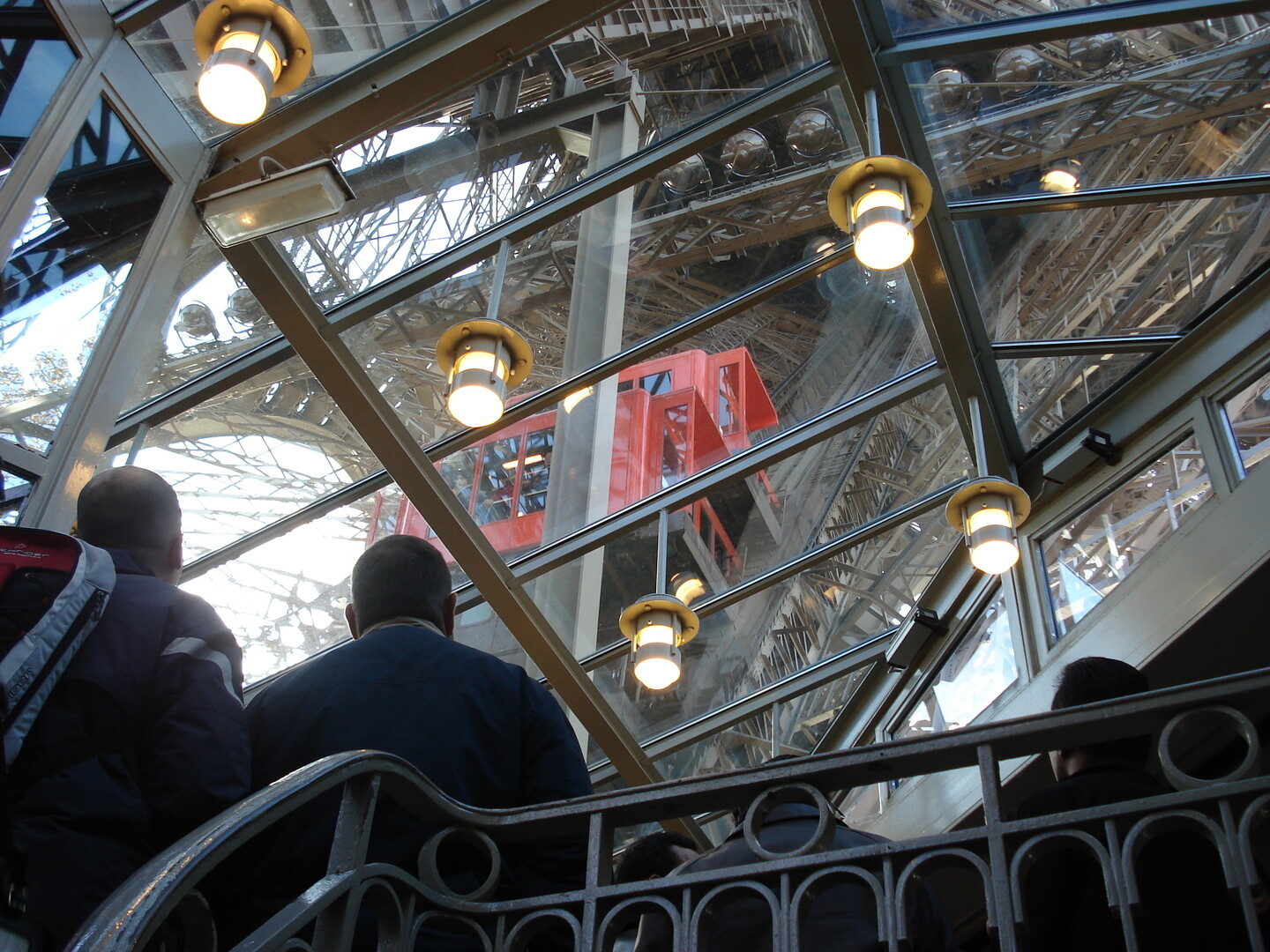
| North & East pillar lifts | Ground → 1st → 2nd floor | Most visitors with elevator tickets | Glass-sided cabins offer views of the ironwork and Champ de Mars. |
| Summit double-cabin lifts | 2nd floor → summit | Guests with summit access tickets | Steeper, enclosed ride; you must change here even if you started at ground. |
| Restaurant lift | Ground → 2nd floor (Jules Verne) | Restaurant guests only | Private access from the south pillar; not used for general visiting. |
| Freight & service lifts | Technical routes | Staff and maintenance teams | Vital for supplies and operations; not open to the public. |
Beneath your feet, hydraulics and modern electric motors work together to move the historic carriages smoothly along curved tracks that follow the legs of the tower. The west pillar system, originally installed in 1899, was painstakingly renovated in the 21st century to keep its characteristic motion while improving efficiency and safety.
Typical Wait Times by Season and Time of Day
Because the Eiffel Tower is the most visited paid monument in the world, elevator queues build quickly and vary by season, weather, and time of day. Operational data and on‑site experience consistently point to the heaviest lines from late morning into the afternoon, and noticeably calmer periods early and late in the day.
At a glance: elevator lines
- Morning (opening to ~10:00): often the shortest waits, especially on weekdays.
- Late morning to mid‑afternoon: the busiest window; queues can extend well beyond 30 minutes.
- Late afternoon to evening: lines ease slightly after the post‑lunch rush, then build again around sunset.
- High season & holidays: expect longer waits almost all day, even with advance tickets.
These are broad patterns rather than promises - security screening, weather closures, and capacity management can all affect how quickly the lines move. Treat any estimate as indicative, then plan a comfortable buffer around your chosen time slot.
The Fastest Ways to Avoid Long Lines
Practical strategies that actually help:
- Book a timed elevator ticket in advance through the official Eiffel Tower channels or as part of a One Journey experience (see our Paris programs at /destination/paris-tours/). Same‑day onsite elevator tickets are the ones most exposed to long queues and sell‑out risk.
- Choose an early or late slot. The very first entries of the day and later evening visits typically mean shorter lines at security and the elevator boarding areas.
- Consider stairs to the second floor if you are comfortable with the climb. Stairs queues are usually shorter, and you switch to the summit elevator from the second floor if your ticket includes it.
- Follow staff instructions on which pillar to use. Capacity is actively managed between the legs; changing to the recommended entrance can save time.
- Travel light and be security‑ready. Bag checks and scanners are mandatory before you even see the ticket queues; packing simply helps those lines move faster.
If riding the elevators is a priority for you - perhaps you are traveling with children or have limited mobility - treat your Eiffel Tower visit as the anchor of your day rather than something to squeeze between other commitments. A little extra flexibility is the best safeguard against crowds and weather.
What to Expect on Each Floor
The first floor is where you feel closest to the structure itself: wide walkways tucked inside the legs, interpretive exhibits on the tower’s construction, and a glass floor panel that lets you look straight down to the esplanade. Many visitors rush past this level; it rewards those who linger.
The second floor is the classic viewing platform, popular for photographs of the Seine, Trocadéro, the Louvre, and the city’s radiating avenues. This is also where you transfer to the summit elevator if your ticket allows. Even if the top is temporarily closed due to weather or capacity, the second floor alone delivers the archetypal Eiffel Tower view.
The summit, reached by compact double‑deck elevators, feels more intimate. An outdoor gallery wraps around the tower, and indoors you will find a small historical exhibition and a reconstruction of Gustave Eiffel’s private apartment, where he once welcomed guests such as Thomas Edison. The air is cooler, the crowds thinner, and the sense of height much more pronounced.
“The very conditions which give strength also conform to the hidden rules of harmony,” Gustave Eiffel wrote of his tower. The elevator ride - threading through riveted iron to emerge above the rooftops - makes that harmony tangible.
Accessibility, Families, and Safety
Elevators provide step‑free access to the first and second floors, and the site is equipped with accessible restrooms and clear wayfinding. Summit access for wheelchair users depends on operational and safety considerations; staff on the ground can confirm what is possible on the day of your visit. Strollers are allowed but may need to be folded in the elevators and on busier walkways.
The elevators themselves are heavily regulated and maintained: technicians start them long before opening, monitor their operation throughout the day, and periodically carry out major refurbishments to keep historic mechanisms aligned with contemporary safety standards. If you are nervous about heights or enclosed spaces, aim for a quieter time of day, avoid leaning on the glass, and let the cabin clear a little before boarding so you can stand near the center.
Traveler's Questions
Do I have to use the elevators, or can I walk the whole way?
You can walk from the esplanade to the first and second floors - roughly 300 steps to the first level and another 300 to the second - but the summit is accessible only by elevator. Many visitors combine both: stairs up (or down) between ground and the second floor, then an elevator to and from the top.
How long will I wait for the elevators?
Wait times fluctuate with season and time of day, but it is wise to allow at least 30 minutes for security and elevator boarding in regular conditions, and more during busy weekends, holidays, and school breaks. Timed tickets and early‑morning or late‑evening slots are the most reliable way to reduce queuing.
Are the elevators safe if I am afraid of heights?
The cabins move steadily along fixed tracks and are monitored in real time by operators and technicians. If you are uneasy with heights, stand away from the glass, focus on the interior of the cabin during the ride, and spend more time on the spacious first and second floors rather than at the summit, where the sense of exposure is stronger.
Which ticket should I choose if elevators are my priority?
For most first‑time visitors, an elevator ticket to the second floor plus summit access offers the best balance of views and convenience. If you are comfortable skipping the very top, a second‑floor elevator ticket is more budget‑friendly and still includes the classic panoramas.
What happens if a lift is out of service?
The tower’s team can temporarily close or reroute access if an elevator or level needs maintenance or if weather conditions at the summit are unsafe. When that happens, signage and staff will direct you to alternative pillars or options, and official channels provide updates on any partial closures before your visit.
For curated Eiffel Tower experiences - timed entries, thoughtfully paced itineraries, and expert guidance that helps you make the most of the elevators and each level’s views - contact our Tour Concierge at support@onejourney.com.