Best Time to Visit Versailles (Month-by-Month Crowd & Fountain Schedule)
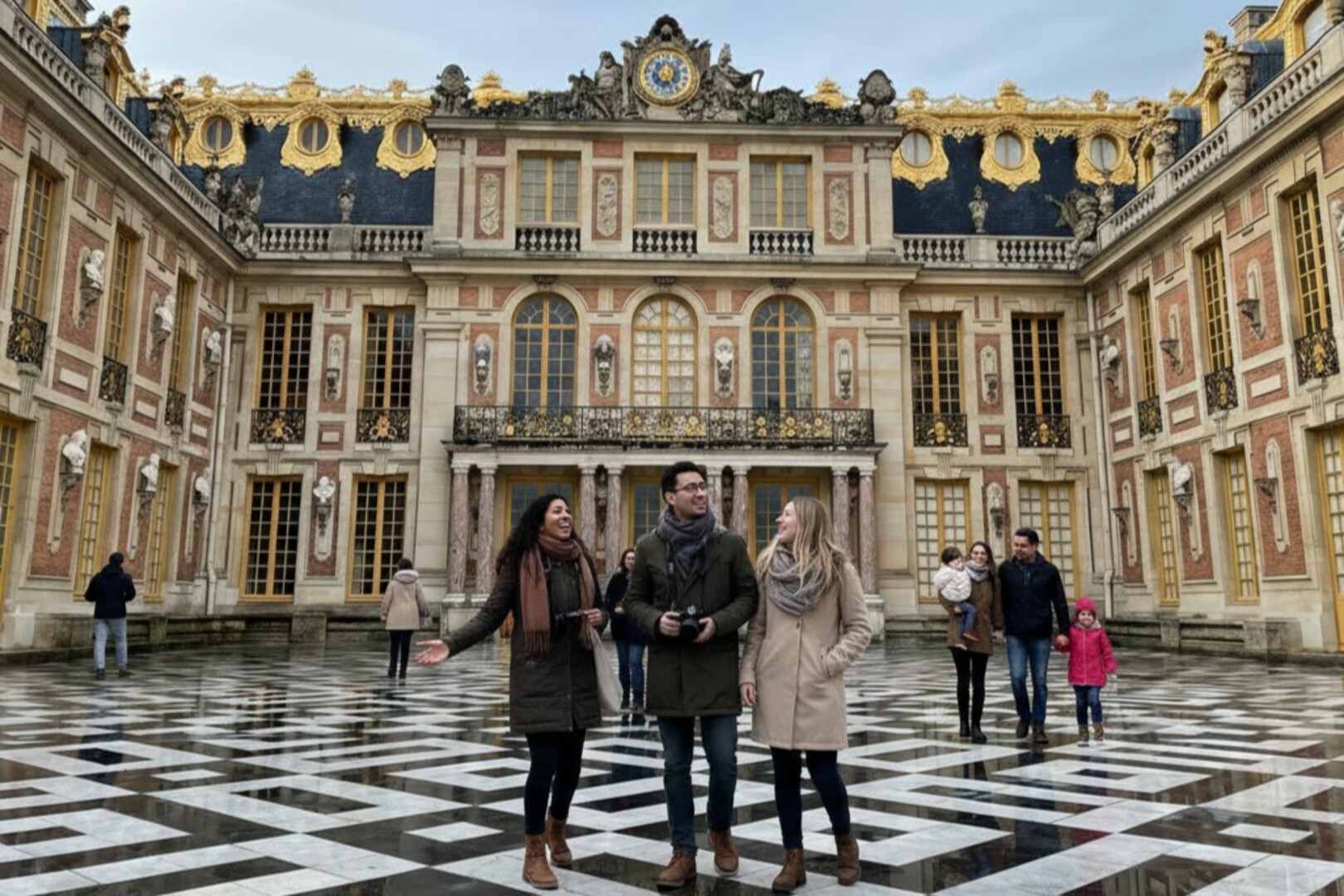
Versailles is a place of scale - long corridors that echo, gardens laid out like geometry, and a palace that once held the seat of government of France. It is also a place with rhythms. Some days feel almost ceremonial in their calm; others move at the pace of tour groups and timed entries.
This guide is designed for planning: what changes month to month, which days of the week are typically calmer, and how to think about fountain days without overcomplicating your visit. Where schedules vary year to year, you’ll see clear “typical” guidance - and a reminder to confirm dates on the official calendar before you commit.
Quick Picks (If You Only Need One Answer)
Best overall balance
Late spring and early fall are often the most comfortable and the most visually satisfying in the gardens.
- Late April - June (longer days, gardens in motion)
- September - October (softer light, easing crowds)
Lowest crowds
Winter months tend to be quieter inside the Palace, with fewer tour groups.
- January - February (calmest overall)
- November (often quiet, shorter daylight)
Best for fountains
Fountain programming is seasonal and date-specific, but it’s most reliable in the warmer months.
- Late spring to early fall (typical fountain season)
- Summer Saturdays often include evening events
Best days of the week
Patterns vary, but two rules tend to hold across seasons.
- Mondays: Palace is typically closed (gardens/park may be open)
- Wednesdays - Thursdays: often calmer than Tuesdays/weekends
Why Timing Matters at Versailles
Versailles is one of the most visited sites in the world. On busy days, the Palace’s interior (especially the Hall of Mirrors) compresses people into narrow flows, while the gardens spread visitors across wide axes and groves. That contrast means you can “win” your day simply by sequencing well: gardens when the Palace is busiest, Palace when the day begins or thins out.
Historically, Versailles was shaped by deliberate spectacle. Louis XIII began with a hunting lodge, later rebuilt into a château; Louis XIV expanded it into a full-scale royal residence and moved the court and government there in 1682, turning the site into the centre of power for decades. Today’s choreography is different - but the idea remains: Versailles is an experience of design, light, and movement. Choose your timing, and you choose your pace.
The “best” day at Versailles isn’t about perfection - it’s about avoiding friction: long security lines, peak-hour crowds, and the wrong order of rooms.
Fountain Shows: What They Are (and What They Aren’t)
Visitors often picture “the fountains” as something that simply runs whenever the gardens are open. In reality, the most famous fountain experiences are programmed events with specific dates - often grouped under seasonal formats like Musical Gardens and Musical Fountains. Some summers also bring evening events (often on Saturdays).
Plan for fountains like this:
- Think in seasons: fountain programming is typically concentrated from spring through early fall.
- Think in days: weekends (and some Tuesdays) are commonly used for major fountain programming.
- Always confirm dates on the official calendar before booking transport or timed entry.
Month-by-Month: Crowds, Weather Feel, and Fountain Odds
The notes below are practical rather than poetic - what tends to change by month, and how those changes shape the experience. Exact fountain dates vary year to year, so treat the fountain column as “likelihood,” not a promise.
January
QuietThe calmest feel inside the Palace. Gardens are stark, architectural lines are crisp.
- Crowds: low
- Fountains: unlikely
February
QuietStill low season. Ideal for visitors who want to linger in the State Apartments.
- Crowds: low
- Fountains: unlikely
March
SteadyA transition month: longer days arrive, and the site begins shifting toward spring pace.
- Crowds: low to moderate
- Fountains: limited / beginning seasonal return
April
PopularGardens wake up fast. Around holidays, the Palace can feel crowded - plan early/late entry.
- Crowds: moderate to high
- Fountains: increasingly likely
May
PopularOne of the most comfortable months for long garden walks. Book timed entry in advance.
- Crowds: high
- Fountains: likely (date-specific)
June
BusyLong daylight, strong demand. Prioritize a smart route: gardens midday, Palace at opening or late afternoon.
- Crowds: high
- Fountains: very likely (date-specific)
July
PeakThe busiest stretch. Expect heat, long lines, and the strongest event programming.
- Crowds: very high
- Fountains: very likely (including some evening events)
August
PeakStill peak season, with long days. A late Palace entry can feel dramatically easier than midday.
- Crowds: very high
- Fountains: very likely (date-specific)
September
Best pickA sweet spot: gardens still lush, crowds often soften, and light is gentler.
- Crowds: moderate to high
- Fountains: likely (date-specific)
October
StrongCrisper air and softer crowds. Late afternoon can be stunning across the Grand Canal.
- Crowds: moderate
- Fountains: possible (often tapering)
November
QuietA return to breathing room indoors. Expect shorter daylight and a subdued garden palette.
- Crowds: low
- Fountains: unlikely
December
SteadyGenerally calmer than spring/summer, with holiday pockets that can spike attendance.
- Crowds: low to moderate
- Fountains: unlikely
Timing Strategies That Actually Work
- Arrive early or go late: the first and last entry windows often feel the most humane inside the Palace.
- Flip the classic route on busy days: start in the gardens and Trianon Estate, then go indoors later when the Palace thins out.
- Avoid planning Versailles for a Tuesday if flexibility matters: Tuesdays are frequently busy for day trips.
- Don’t skip the park: the larger park area can feel calm even on a high-traffic day in the Palace.
A Two-Track Itinerary: Calm Day vs. Fountain Day
If crowds are your main concern
- Target: winter weekdays, or Wednesday/Thursday in shoulder season
- Sequence: Palace at opening → gardens midday → Trianon later
- Result: more quiet time in the Hall of Mirrors and State Apartments
If fountains are your priority
- Target: spring - summer dates when fountain events are scheduled
- Sequence: gardens first (during programmed hours) → Palace later
- Result: you enjoy the gardens at their liveliest without getting trapped in peak-hour interior congestion
Traveler’s Questions
Is Versailles closed on Mondays?
The Palace is typically closed on Mondays. Outdoor areas may remain open, but always confirm the current opening days and hours before you go.
Do fountains run every day?
The most famous fountain experiences are tied to scheduled events on specific dates (often concentrated from spring through early fall). Treat fountains as “programmed,” not automatic.
How much time should I plan?
For a relaxed visit that includes the Palace and time outdoors, plan a full day. A shorter visit can work if you focus on the Palace and a limited gardens loop.
Is there a “single best month”?
If you want one answer: early fall is often the most forgiving - pleasant air, good light, and fewer peak-summer pressures - while still keeping the gardens in strong shape.
For personalized guidance on planning a smooth Versailles day trip, contact our Tour Concierge at support@onejourney.com.